

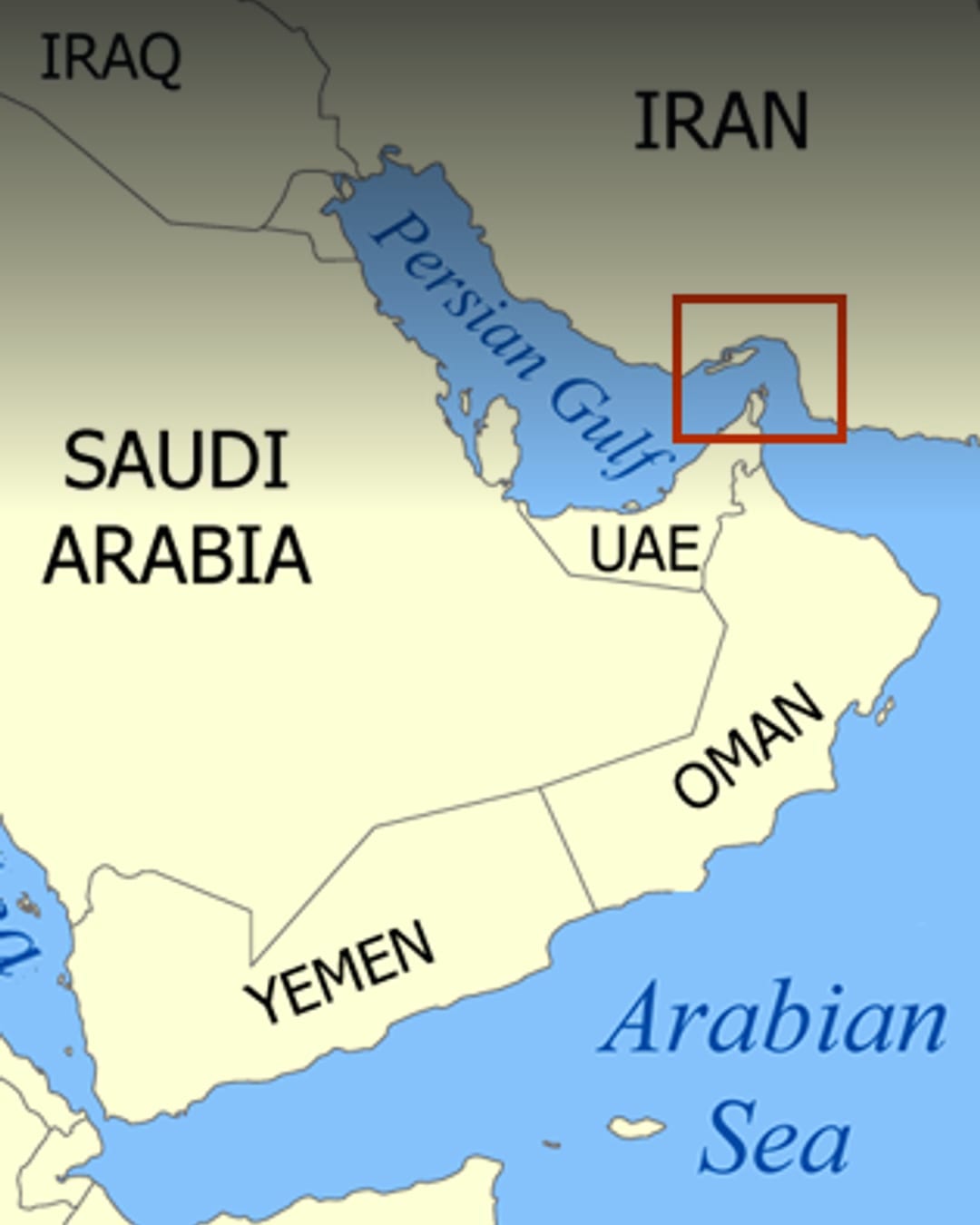
 Image: Strait of Hormuz map - Wikimedia Commons
- U.S. officials say American forces shot down four Iranian one-way attack drones near the Strait of Hormuz.
- AP says the U.S. also hit an Iranian ground-control station in Bandar Abbas that was about to launch a fifth drone.
- Iran's IRGC says it targeted a U.S. airbase in response. Public reporting has not independently confirmed damage from that claimed retaliation.
U.S. forces carried out new strikes connected to Iranian drone activity near the Strait of Hormuz, according to U.S. officials cited by AP and Reuters-derived reports, adding another flashpoint to the effort to keep shipping moving through the chokepoint.
The confirmed public trail is narrow but serious: U.S. officials say four Iranian one-way attack drones were shot down around Hormuz, and AP reports a fifth drone launch was disrupted by a strike on a ground-control station in Bandar Abbas.
What happened
AP reported that U.S. officials said Central Command forces shot down four Iranian one-way attack drones that posed a threat near the Strait of Hormuz. The same AP report said the U.S. military hit an Iranian ground-control station in Bandar Abbas that was about to launch a fifth drone.
Reuters-derived reports carried by multiple outlets described the strike as targeting an Iranian military site that U.S. officials believed posed a threat to American forces and commercial maritime traffic. The site was identified as a drone-related ground-control station in the port city of Bandar Abbas.
What Iran says
Iran's Revolutionary Guards said they targeted a U.S. airbase at 4:50 a.m. local time after what they described as a U.S. attack near Bandar Abbas airport, according to Reuters reporting that cited Iran's Tasnim news agency.
That is an Iranian claim, not independent confirmation of damage. Sky News and other outlets reported the retaliation claim, but public reporting available so far does not establish what was hit, whether U.S. personnel were injured, or whether any base damage occurred.
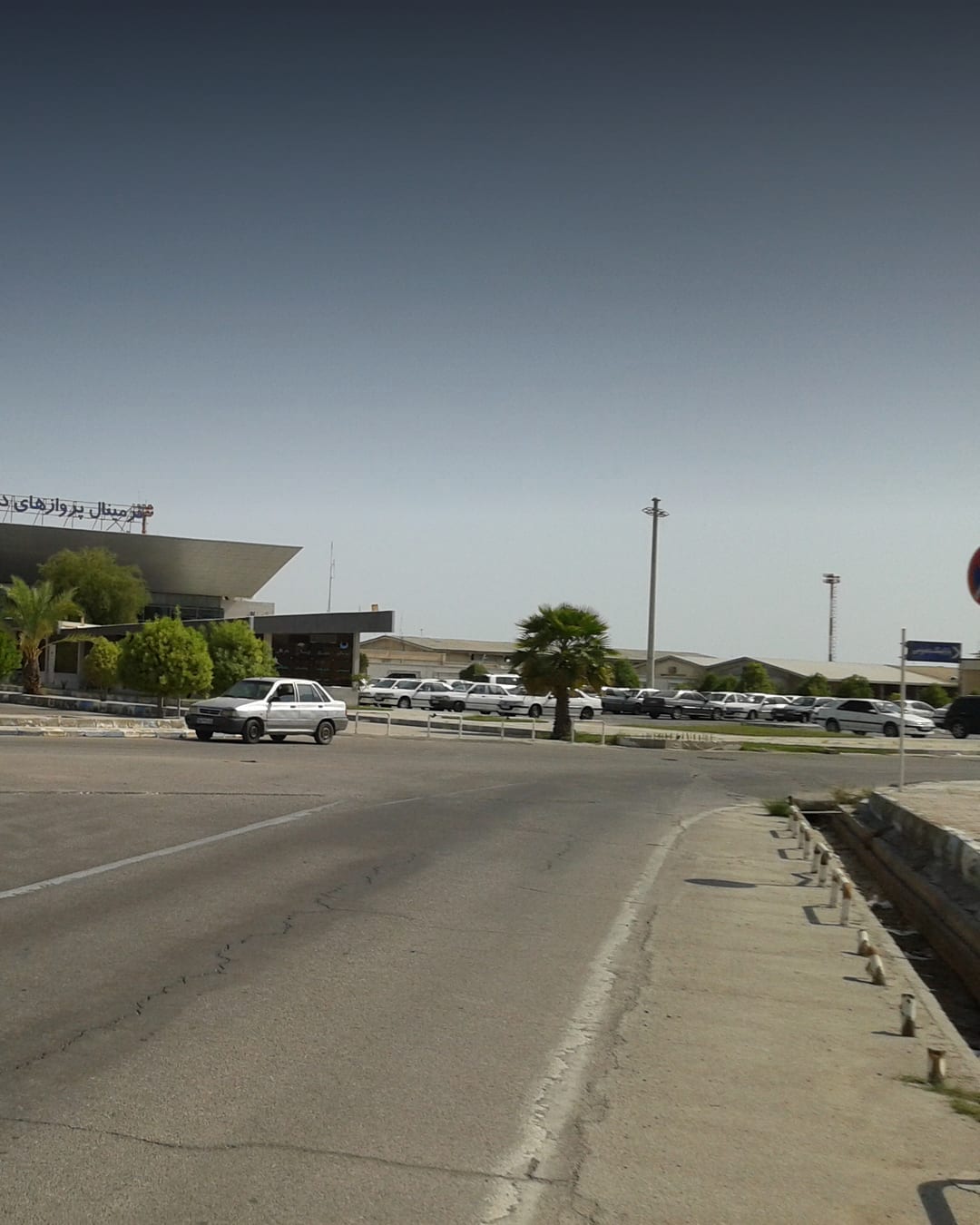 Photo: Bandar Abbas International Airport - Wikimedia Commons
Why Hormuz matters
The Strait of Hormuz is one of the world's most important energy corridors. A sustained threat to commercial vessels there can move oil prices, shipping insurance, Gulf security planning and diplomatic negotiations at the same time.
That is why the wording matters. A U.S. official's account of a drone-control strike near Bandar Abbas is one lane of evidence. An IRGC claim about targeting an American airbase is another. They should not be collapsed into a single confirmed chain of damage unless official or independently verified evidence catches up.
What else changed
AP also reported that the Trump administration announced new sanctions on an Iranian agency seeking to control shipping through the Strait of Hormuz. The sanctions came as U.S. forces carried out strikes on an Iranian military facility after downing attack drones, according to officials cited by AP.
Axios separately reported that Iran's military fired four one-way drones at a commercial ship in the strait, citing a senior U.S. official, and said CENTCOM described the drones as threats around Hormuz.
What to watch next
The immediate questions are whether CENTCOM issues a fuller public statement, whether Iran releases evidence of its claimed airbase strike, whether commercial shipping lanes are disrupted, and whether oil markets price the incident as a new escalation or another contained exchange.
For now, the clean read is this: U.S. officials say American forces struck an Iranian drone-control site and downed four drones near Hormuz. Iran says it retaliated against a U.S. airbase. The U.S. strike and drone shootdown are better sourced than the claim of confirmed damage to a U.S. base.
NoDechev status: confirmed reported U.S. strike/drone interception by officials; Iranian retaliation claim reported, damage not independently confirmed.
Also Read
Another Hormuz brief where official claims and source status matter.
Read: Iran Hormuz Reopening Claim