

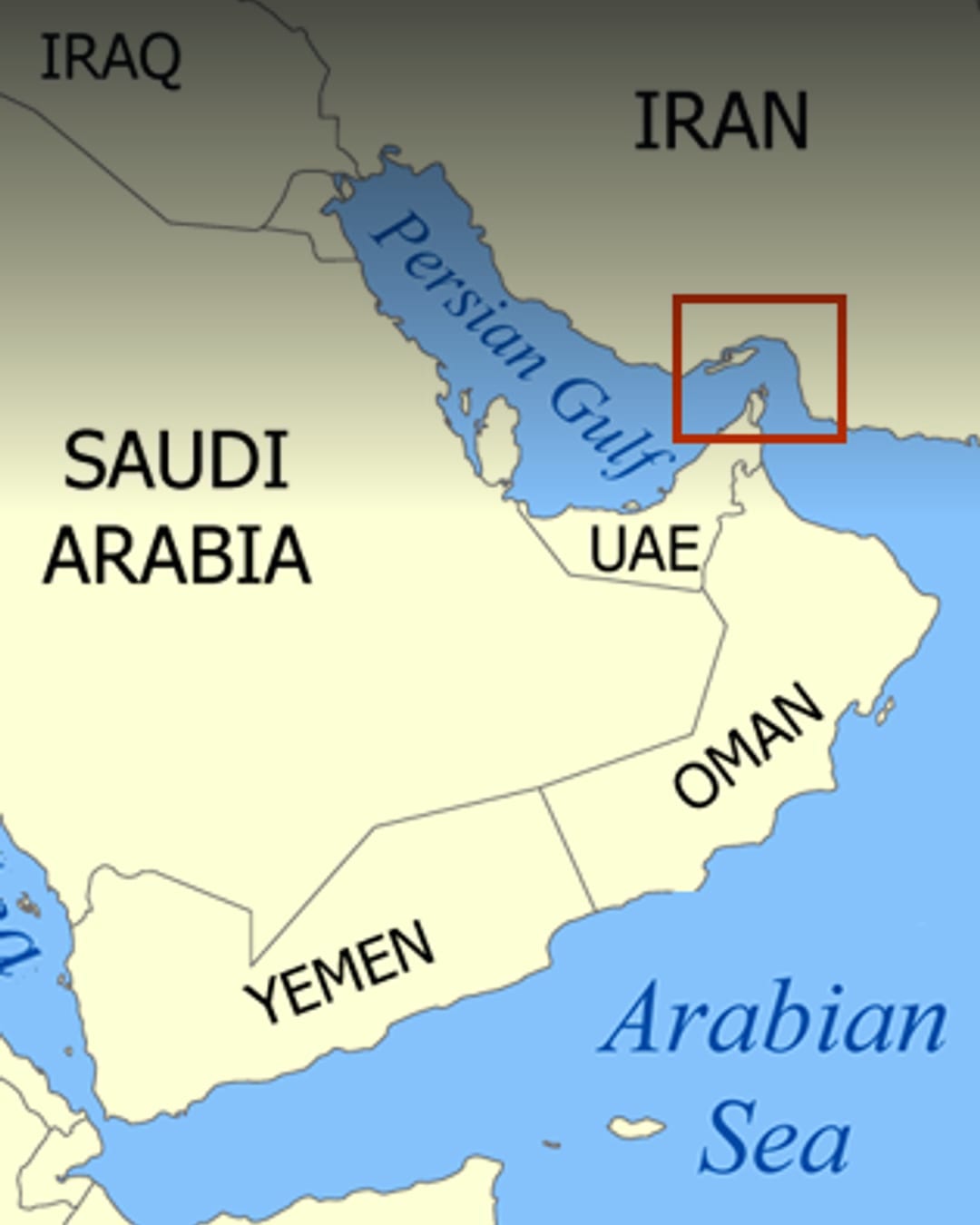
 Image: Wikimedia Commons. Strait of Hormuz map, used as route context.
- The U.S. and Iran are reportedly discussing a framework that would reopen the Strait of Hormuz after an initial agreement.
- The latest proposal says traffic should return toward prewar conditions within 30 days of signing, according to diplomatic reporting.
- This is still a developing framework, not a finalized peace deal or guaranteed reopening.
The U.S. and Iran are discussing a plan that would reopen the Strait of Hormuz after an initial agreement to end or extend the current war framework, according to diplomatic reporting cited by major outlets.
The important detail is the timeline. The reported proposal would have Iran immediately reopen the strait after signing a memorandum of understanding, then take steps to return traffic to prewar conditions within 30 days.
What is being discussed
The plan is being described as part of a phased U.S.-Iran framework. The first step would extend or stabilize the ceasefire, address the Hormuz crisis, and create room for a wider final deal.
Washington Post reporting, echoed by syndicated coverage, says the proposal would reopen and de-mine the Strait of Hormuz while the sides continue negotiating broader issues. A diplomat cited in the reporting said the current proposal calls for traffic to return to prewar conditions within 30 days.
What is not confirmed
This is not the same as a signed peace agreement. President Donald Trump has separately said a deal was not fully negotiated yet, and public reporting still describes the arrangement as a framework or memorandum under discussion.
That distinction matters because the Strait of Hormuz is not a symbolic detail. It is one of the world’s most important energy chokepoints, and even partial restrictions can move oil prices, shipping insurance and market expectations.
 Image: Wikimedia Commons. Iranian flag near Azadi Tower, used as diplomacy context.
Why Hormuz is central
The strait connects the Persian Gulf to the Gulf of Oman and the open sea. A large share of global oil and LNG shipments move through or near this corridor. That is why every report about reopening, de-mining or traffic normalization immediately becomes a market story.
The reported U.S.-Iran framework appears to treat Hormuz as the urgent first problem: reduce the shipping crisis now, then leave harder issues — sanctions, nuclear limits, missiles and longer-term security guarantees — for further talks.
The 30-day point
The viral version says the strait would reopen “30 days after reaching agreement.” The more precise reading is slightly different: reports say Iran would reopen the strait upon signing the memorandum, while traffic would be expected to return toward prewar conditions within 30 days.
So the accurate framing is: immediate reopening steps after an interim agreement, with normalization targeted within 30 days. Not: guaranteed full reopening only after 30 days, and not: a final war-ending deal already exists.
NoDechev rating: credible reported framework, not final. The 30-day Hormuz timeline is in diplomatic reporting, but the broader U.S.-Iran deal remains under negotiation.
Ready social post
U.S. and Iran are discussing a Hormuz reopening plan tied to an interim war framework. Reports say the strait would reopen after signing, with traffic returning toward prewar conditions within 30 days — but no final deal has been announced.
Read next: Iran says talks made progress, no deal imminent