
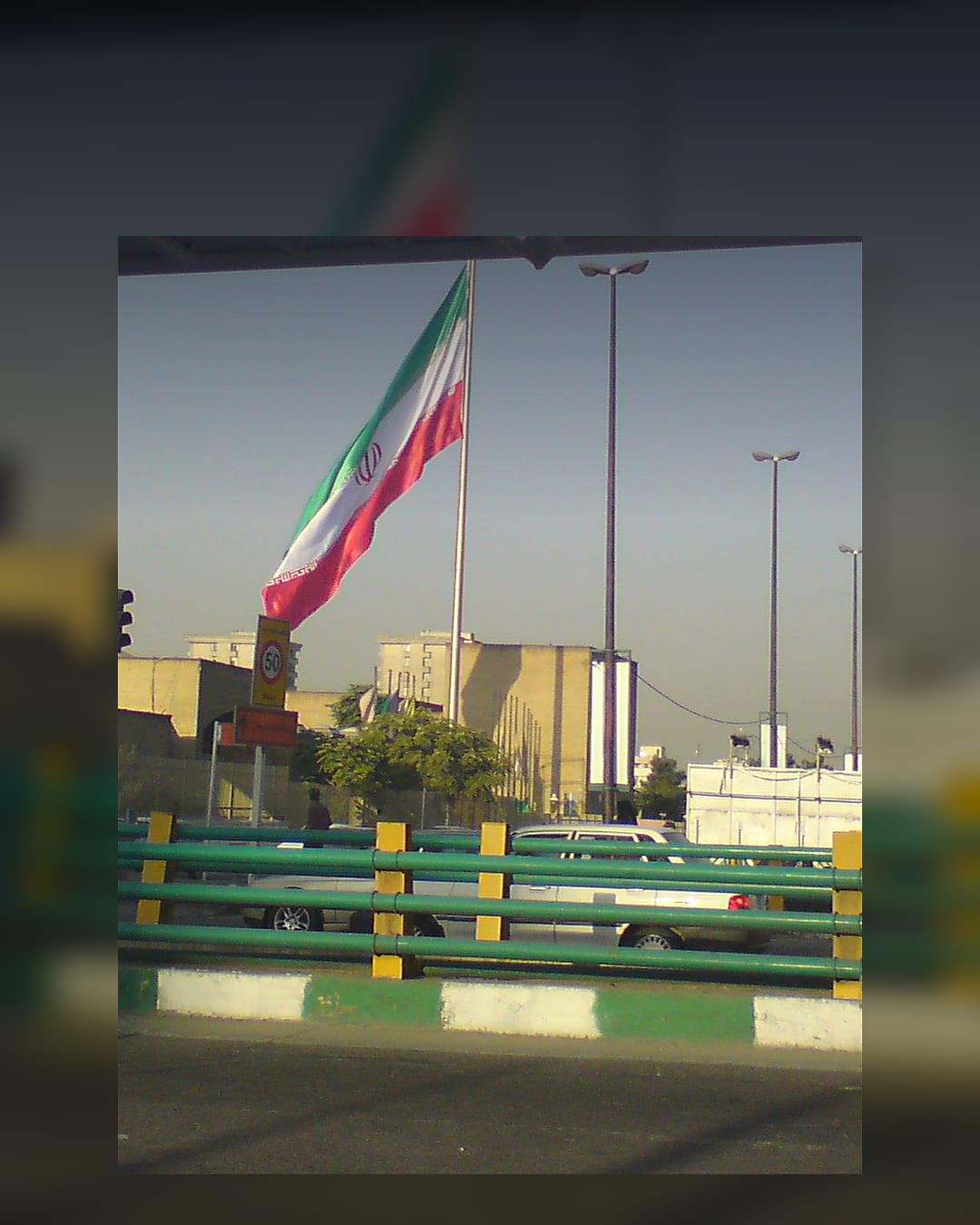
 Image: Wikimedia Commons. Iranian flag and Azadi Tower in Tehran, used as diplomacy context.
- Iranian Foreign Ministry spokesman Esmail Baghaei said talks with Washington have produced understandings on many issues.
- He also warned that an agreement cannot be described as near, saying differences remain deep and extensive.
- The proposed framework reportedly concerns ending the U.S.-Iran conflict, reopening or stabilizing Hormuz, and setting follow-up talks on nuclear and sanctions issues.
Iran says Tehran and Washington have reached understandings on many issues in exchanges over a possible deal to end the conflict, but it is warning that an agreement is not imminent.
The careful read is important. Tehran is not denying progress. It is pushing back against the idea that a final deal is basically done.
What Iran said
The comments were attributed to Iranian Foreign Ministry spokesman Esmail Baghaei in reporting by Iran International and other outlets covering the latest U.S.-Iran diplomatic track.
Baghaei’s message was that several understandings have emerged through exchanges between the two sides, but major gaps remain. One reported formulation captured the tension: an agreement is “both very far and very close.” He also warned that it cannot be said that an agreement is near because the differences between Tehran and Washington remain deep.
That makes the viral summary broadly accurate as a paraphrase: there has been progress on many issues, but Iran is not presenting a deal as imminent.
What the deal would cover
Reporting around the talks describes a proposed framework or memorandum meant to end the current U.S.-Iran conflict and create a path for further negotiations. The issues include a ceasefire or war-ending mechanism, the Strait of Hormuz, Iran’s nuclear program, sanctions relief and frozen assets.
CNN described the proposal as a possible deal to end the U.S.-Iran conflict, while Axios previously reported that Washington and Tehran had been working around a short memorandum framework. The structure appears phased: stop the conflict first, then negotiate the hardest unresolved details over a defined period.
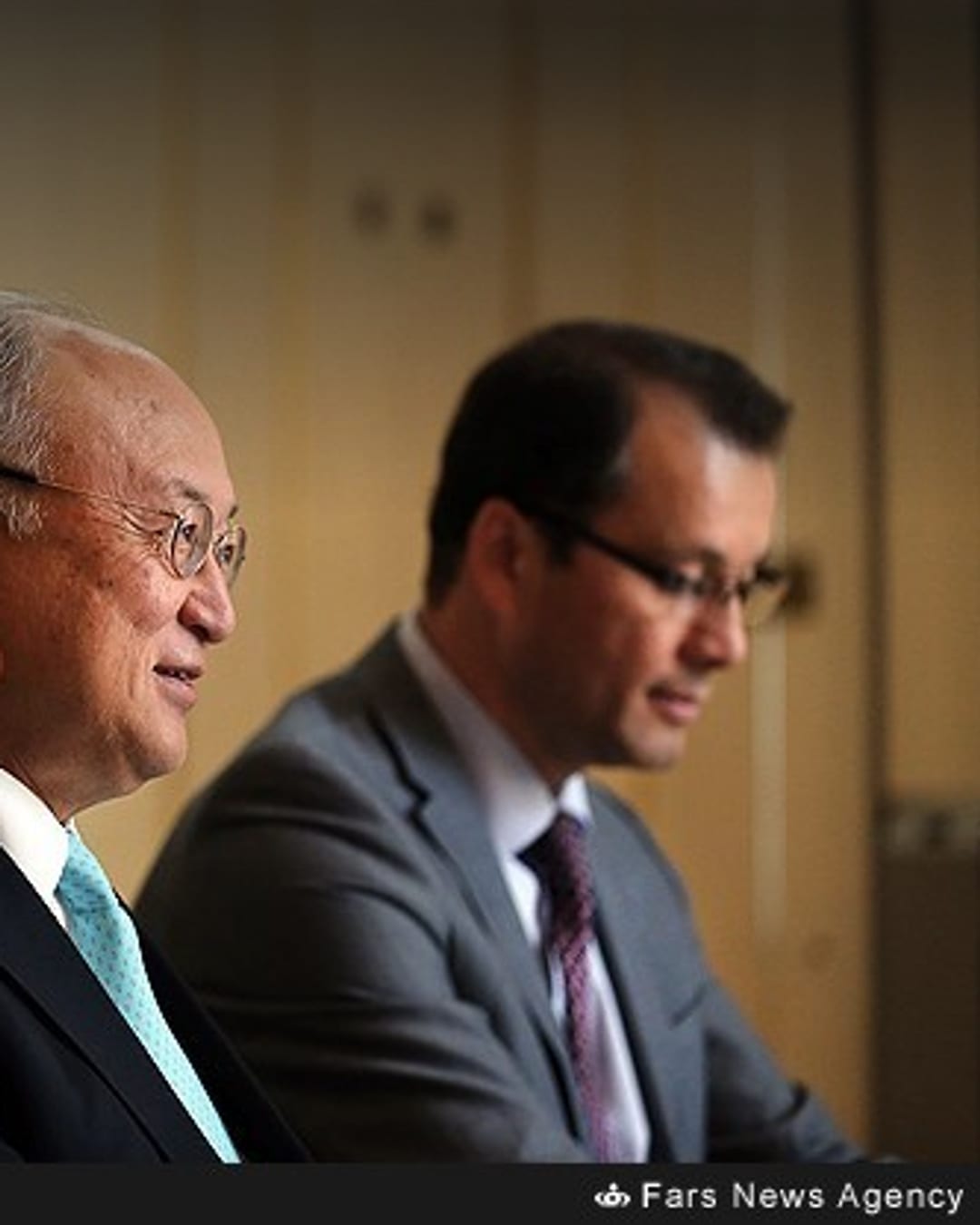 Image: Wikimedia Commons. Iran nuclear talks in Vienna, used as diplomacy context.
Why the caveat matters
U.S. messaging has sounded more optimistic at points, including claims that a framework was largely negotiated or that good news could come soon. Iran’s public line is more guarded. That difference is not unusual in high-stakes diplomacy: each side wants credit for progress without looking like it conceded too much.
The practical takeaway is that a paper framework may be closer than a final settlement. Ending active hostilities is one thing. Locking down nuclear limits, sanctions relief, inspections, assets and maritime guarantees is another.
What to watch next
The next hard signal would be a signed memorandum, a formal ceasefire extension, a reopening mechanism for Hormuz, or matching statements from both Washington and Tehran. Until then, the correct headline is progress — not breakthrough.
NoDechev rating: accurate but cautious. Iran is acknowledging understandings on many issues, while explicitly warning that a final agreement is not imminent.
Ready social post
Iran says Tehran and Washington have reached understandings on many issues in exchanges over a possible deal to end the conflict — but warns no agreement is imminent. Translation: progress, not breakthrough.
Read next: Iran “Agreement or Another Way” Quote