
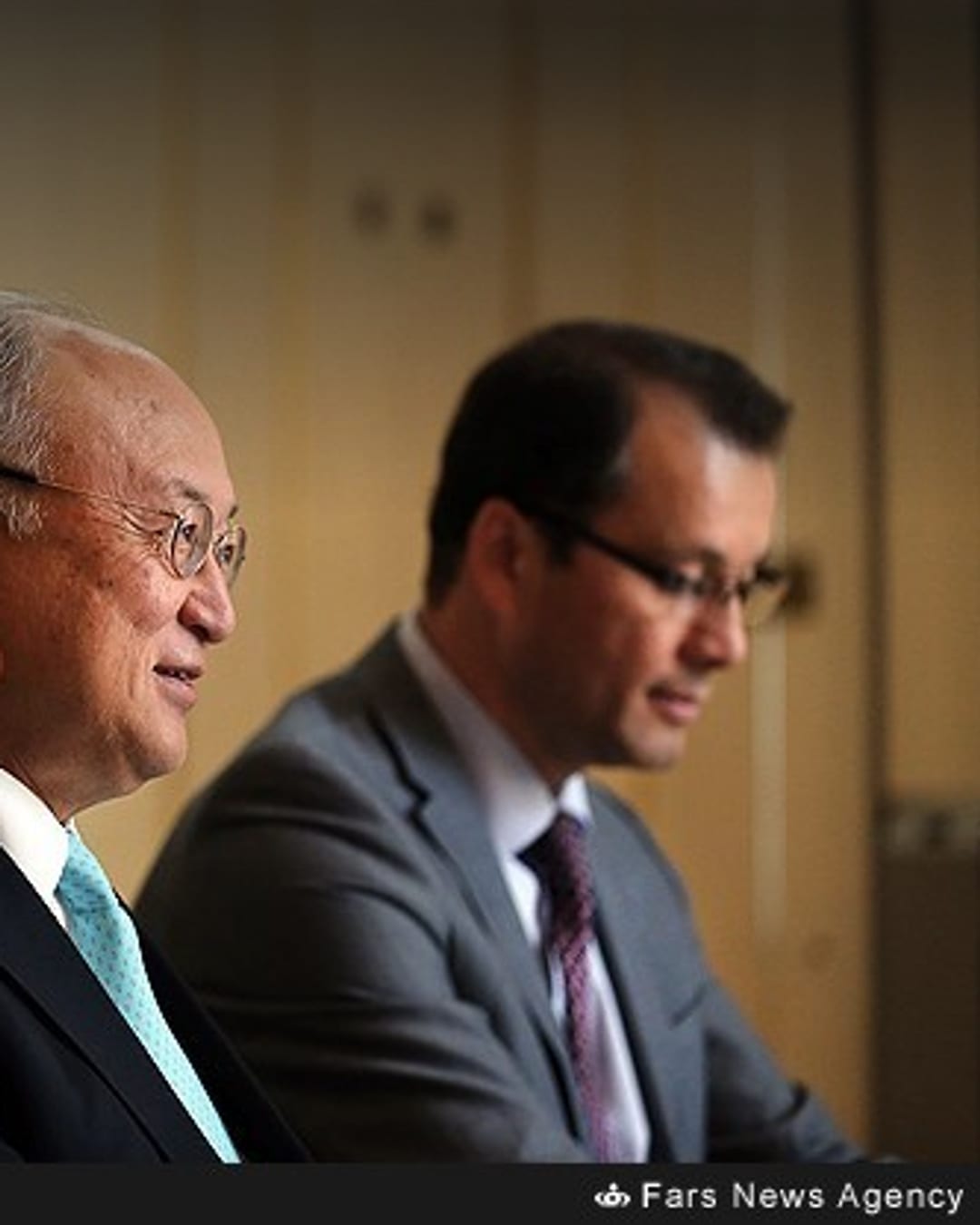
 Image: Iran nuclear talks in Vienna, 2015 — Omid Vahabzadeh / Wikimedia Commons, CC BY 4.0
- Mediators are reportedly working on a U.S.-Iran framework to extend the ceasefire and open talks on nuclear issues.
- Reported elements include Hormuz access, sanctions relief, asset unfreezing and discussion of highly enriched uranium.
- No signed memorandum or official joint U.S.-Iran announcement has been made, so the claim remains “reported,” not confirmed.
The U.S. and Iran are reportedly moving closer to a memorandum of understanding that could extend their ceasefire and set up talks on Iran’s nuclear program, according to mediator-linked reporting.
The reported package includes a possible 60-day extension, gradual reopening of the Strait of Hormuz, sanctions relief, phased unfreezing of Iranian assets and future discussion of Iran’s highly enriched uranium stockpile.
What is being reported
Axios, Reuters, Al Jazeera, PBS and The Guardian have all reported pieces of the same diplomatic track: Pakistan and other mediators have been moving proposals between Washington and Tehran after a fragile ceasefire took hold.
The core idea is a short framework document rather than a full final settlement. It would buy time, reduce immediate escalation risk and create a channel for deeper talks on the hardest issues.
Those issues include Iran’s nuclear program, oil and shipping access through Hormuz, sanctions relief and frozen assets.
The Hormuz piece
The Strait of Hormuz is central because it is one of the world’s most important oil and gas chokepoints. Reports say Iran has offered a gradual reopening if the U.S. eases or ends its blockade-related measures and if the broader war track moves toward a settlement.
That means Hormuz is not just a shipping issue. It is being used as leverage in a wider negotiation over sanctions, assets and nuclear restrictions.
 Image: Strait of Hormuz map — Goran_tek-en / Wikimedia Commons, CC BY-SA 4.0
The nuclear question
The most sensitive reported element is whether Iran would discuss diluting, transferring or otherwise limiting its highly enriched uranium.
That is not the same as Iran agreeing to hand over uranium today. Available reports describe it as a topic for future talks or a framework commitment, not a completed technical agreement.
U.S. demands have reportedly been stricter than Iran’s opening position, while Iran has tried to sequence talks so sanctions relief and Hormuz reopening come before deeper nuclear concessions.
Is there a deal?
No finalized deal has been publicly announced.
The safest current wording is that both sides are reported to be nearing a framework or memorandum of understanding, according to mediators and officials cited in news reports.
There is no official joint statement from Washington and Tehran confirming a signed 60-day ceasefire extension, no public final MOU text and no confirmed timetable for implementation.
What is confirmed and what is not
Confirmed: mediation has been active; proposals have focused on Hormuz, sanctions relief and nuclear talks; the ceasefire track remains fragile but alive.
Reported but not finalized: a 60-day extension, phased asset unfreezing, sanctions relief terms and a commitment to discuss dilution or handover of enriched uranium.
Key caveat: diplomatic leaks often reflect pressure tactics. Until both governments or mediators confirm text, this remains a near-deal report, not a completed agreement.
NoDechev rating: plausible but not finalized. The framework elements match reliable reporting, but no signed U.S.-Iran deal has been publicly confirmed.
Also Read
More on Trump, Iran and fast-moving diplomatic claims.
Read: Iran Says Trump Has “No Choice” but to Accept Its Demands