

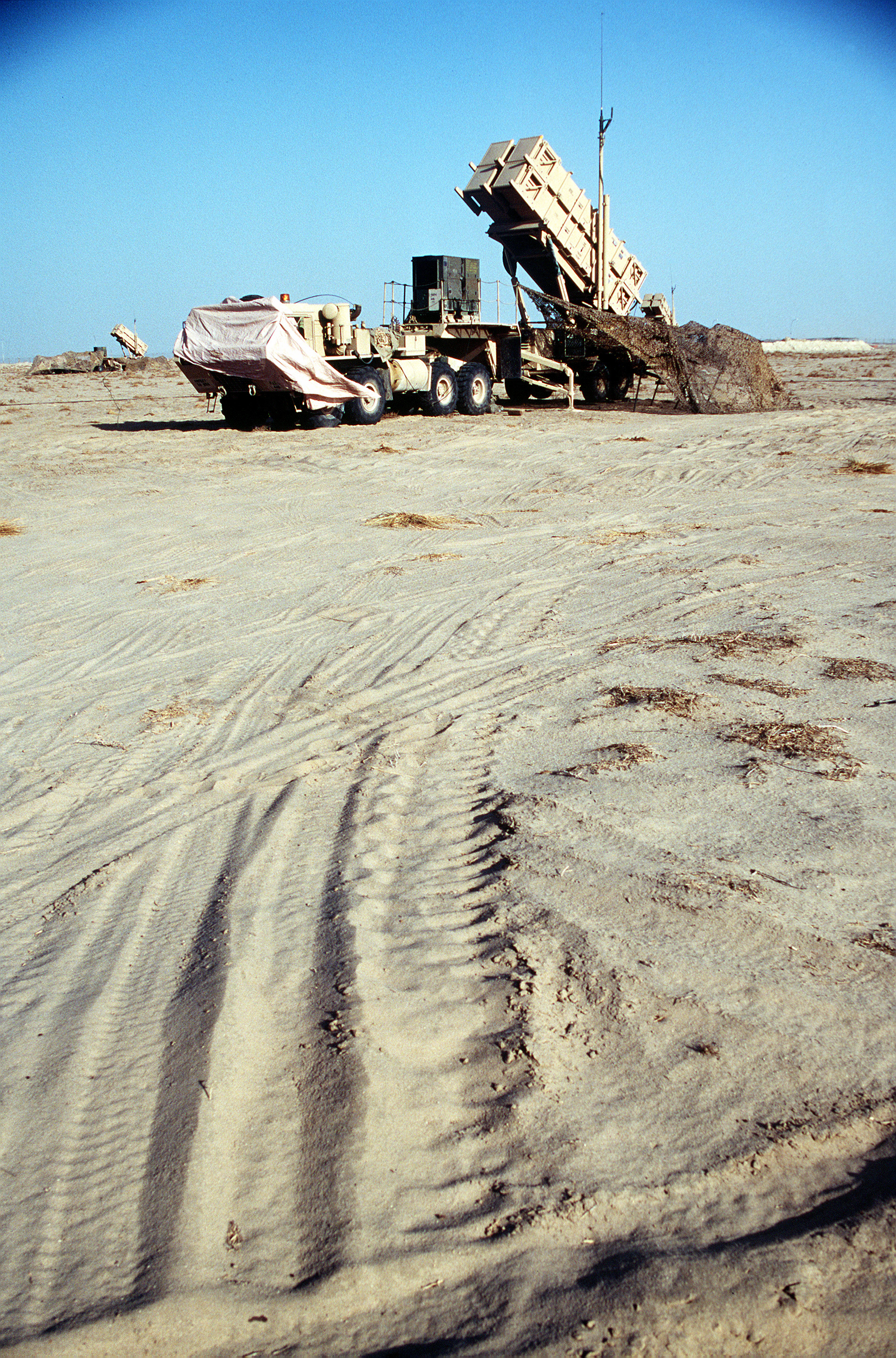
 Image: missile-defence context in Kuwait. Ceasefire violation claims require timing, location and source checks.
- A ceasefire violation claim needs a timeline: when the ceasefire started, when the alleged incident happened and which time zone is being used.
- Useful evidence includes official statements, monitoring-body reports, geolocation, imagery, radar or maritime data, hospital or damage records and credible reporting.
- The first side to accuse the other is not automatically right; conflict parties often race to define the violation narrative.
Why these claims are hard
A ceasefire is a political and military agreement to stop or limit fighting. But the public usually sees the agreement as a headline before it sees the actual terms. That creates confusion when an incident happens: was it after the ceasefire, inside the covered area, committed by a covered party, and prohibited by the text?
Those questions matter. A strike, drone launch, artillery round, interception, troop movement or maritime incident can all be described as a violation, but the answer depends on the agreement and the evidence.
Start with the timeline
The first check is time. When did the ceasefire begin? Was it local time, UTC, or another reference? Did the incident happen before the start, after the start, or during a transition window?
This is where viral claims often fail. A video posted after a ceasefire may show an event from before it. An official statement may use local time while another source uses UTC. A missile launched before the deadline may land after it. A useful brief has to separate launch time, impact time and publication time.
Then check location and actor
The second check is location. Did the alleged incident happen inside the ceasefire area? Was it cross-border, maritime, airspace-related or inside a disputed zone? Geolocation, official maps, local reporting and satellite or video evidence can help.
The third check is actor. A ceasefire may bind states, armed groups, coalitions or specific fronts. If a proxy, militia or local unit acts, attribution becomes harder. A government may deny control; opponents may claim everything is centrally ordered.
Evidence tiers
The strongest evidence usually includes official monitoring reports, direct admissions, radar or tracking data, geolocated imagery, hospital and damage records, and multiple credible reports that agree on time and place. Single-source claims can be useful leads, but they should be labeled as such.
Social media video is not useless, but it needs metadata, geolocation, chronology and corroboration. A clip without date, location or original uploader should not carry a confident verdict.
What readers should watch
Look for whether both sides accuse each other, whether neutral monitors exist, whether officials update the timeline, whether damage records match the claim, and whether the incident changes military behavior. A ceasefire can be violated in a way that collapses it, or breached in a way that negotiators try to contain. The difference matters.
Why both sides may sound confident
Conflict parties often have incentives to accuse the other side quickly. If one side can define the first violation, it can shape diplomatic pressure, justify retaliation or preserve domestic support. That means early confidence is not the same as verified evidence. The first statement may be useful, but it is still only one source layer.
Neutral monitors, when present, can help, but even monitoring missions face limits. They may have restricted access, delayed reporting, incomplete visibility or political constraints. A careful brief should say what the monitor saw, where it saw it and what it did not independently verify.
How a violation changes the story
Not every alleged breach has the same consequence. Some violations collapse a ceasefire almost immediately. Others become disputed incidents that negotiators try to contain. Some are local, some are strategic, and some are information operations designed to test the other side's response.
The best follow-up question is whether behavior changes after the allegation. Do attacks resume broadly? Do negotiators continue talks? Do outside guarantors issue warnings? Do militaries move forces? Those signals help distinguish a serious verified breach from a contested claim inside a fragile pause.
NoDechev note: this is an evergreen explainer, not a breaking-news claim. It is designed to give readers the background needed to read fast-moving briefs more carefully.
Use this as context
When a fast claim uses this term, start here, then check the linked brief and its source trail.
Read latest briefs →