
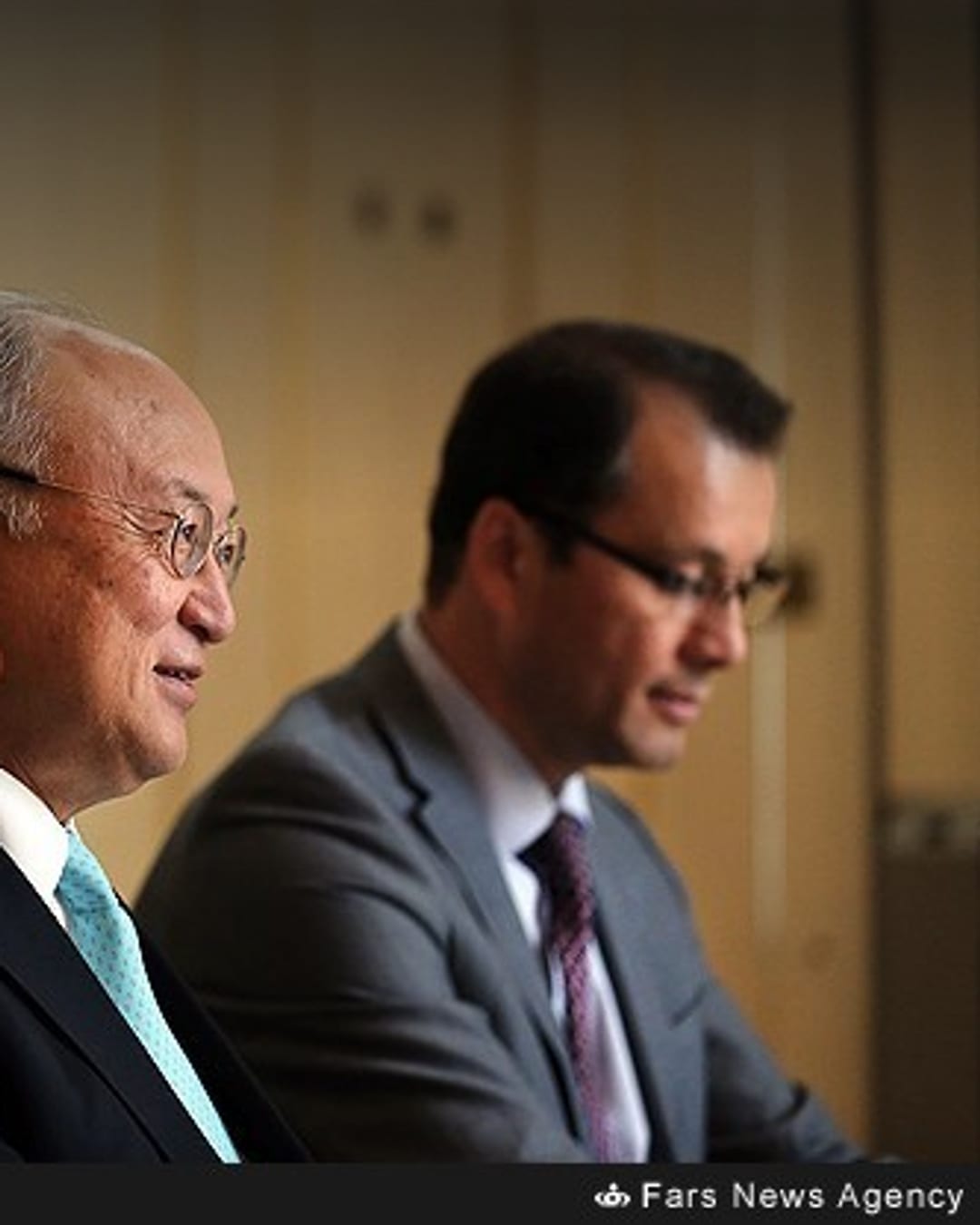
 Image: nuclear diplomacy context from Vienna talks.
- Natural uranium contains only a small share of uranium-235, the isotope most relevant for many reactor and weapons discussions.
- Low-enriched uranium is commonly used for civilian reactor fuel; high-enriched uranium is a greater proliferation concern.
- The jump from 60 percent toward weapons-grade levels is technically and politically more serious than the raw percentage gap may make it look.
The short version
Enriched uranium is uranium in which the share of uranium-235 has been increased above its natural level. Uranium-235 is important because it can sustain the kind of chain reaction used in many nuclear reactors and nuclear weapons.
Civilian nuclear power usually uses low-enriched uranium. Weapons programs require much higher enrichment and additional weaponization steps. That is why a careful article should distinguish uranium stockpiles, enrichment level, centrifuge capacity and actual weapon assembly.
Why percentages matter
Natural uranium has a low concentration of uranium-235. Enrichment raises that concentration. Low-enriched uranium is generally below 20 percent uranium-235, while material enriched to 20 percent or more is usually described as high-enriched uranium.
Weapons-grade uranium is commonly discussed around 90 percent uranium-235. But the enrichment work is not linear in the way casual readers may assume; moving from natural uranium to low levels takes a large share of the effort, and higher levels raise sharper proliferation concerns.
Enrichment is not the same as a bomb
Having enriched uranium is not the same as having a deliverable nuclear weapon. A weapon would require enough material, further processing, design work, explosives, engineering, testing confidence and a delivery system.
Still, enrichment levels matter because they affect breakout estimates and diplomatic urgency. A stockpile at higher enrichment can shorten the path if a state chooses to move toward weapons-grade material.
What inspectors watch
Inspectors and analysts look at enrichment levels, stockpile size, centrifuge types, declared facilities, monitoring access, safeguards reports and unexplained activities. A single headline number rarely tells the full story.
That is why nuclear diplomacy stories often turn on both quantity and access. If inspectors cannot verify what is happening, uncertainty itself becomes part of the risk.
How to read viral claims
When a post says a country “has enough uranium for a bomb,” ask three questions: enriched to what level, in what chemical or physical form, and under what inspection conditions?
The stronger claim is usually more specific: a stockpile amount, an enrichment percentage, a source for the estimate and a clear distinction between fissile material and an assembled weapon.
NoDechev note: this is an evergreen explainer, not a breaking-news claim. It is designed to give readers the background needed to read fast-moving briefs more carefully.
Use this as context
When a fast claim uses this term, start here, then check the linked brief and its source trail.
Read latest briefs →