
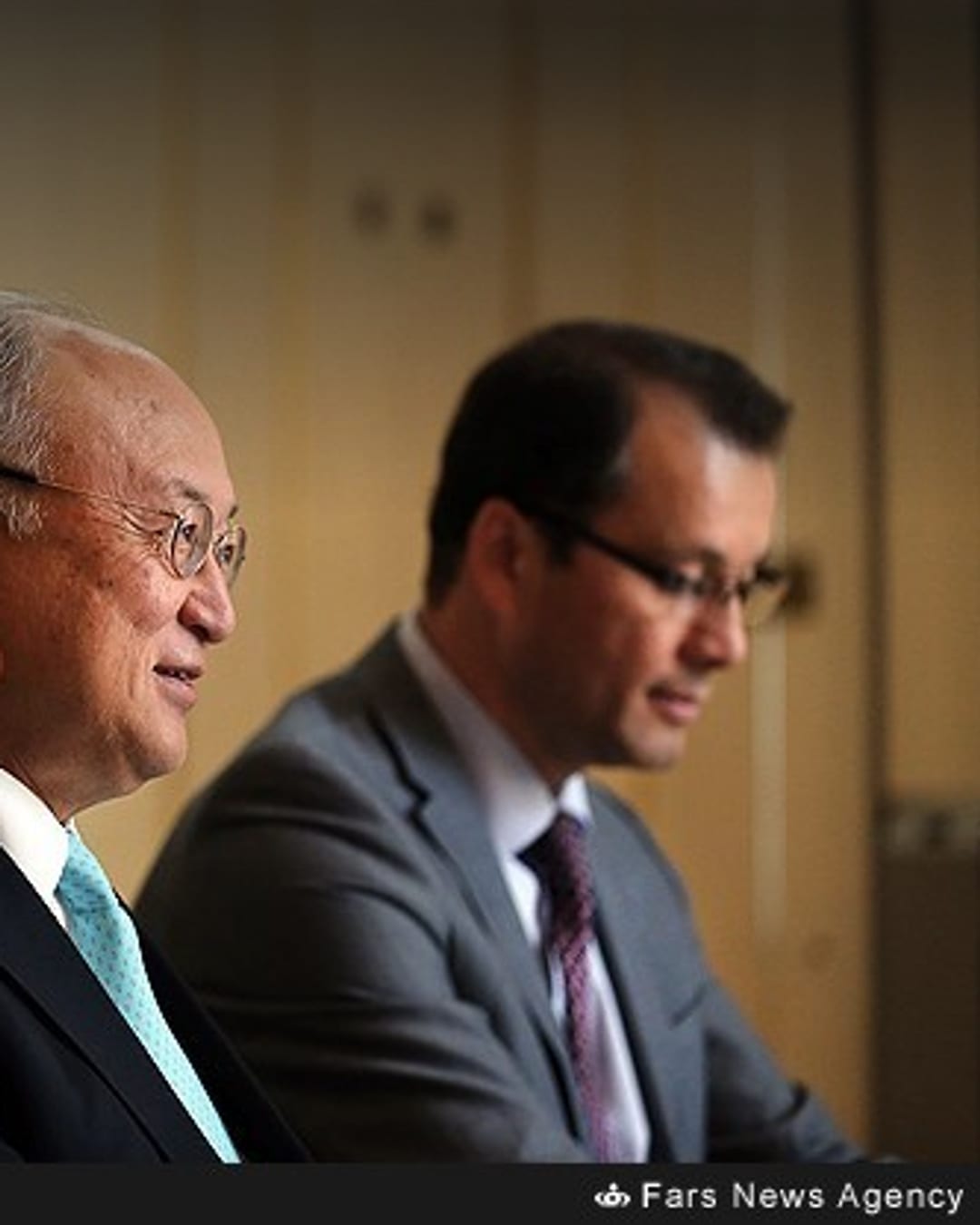
 Image: Iran nuclear talks in Vienna, 2015 — Omid Vahabzadeh / Wikimedia Commons, CC BY 4.0
- Trump announced that a U.S.-Iran agreement had been “largely negotiated,” but his public post did not spell out uranium terms.
- The uranium detail comes from U.S. officials cited by The New York Times, who said Iran agreed in principle to give up roughly 970 pounds of 60% enriched uranium.
- Iran has not publicly confirmed the concession, so the safest label is: reported framework, not finalized deal.
President Donald Trump has announced that a proposed U.S.-Iran agreement is “largely negotiated,” triggering a wave of posts saying Iran agreed to give up its enriched uranium.
The headline version is directionally supported by major reporting, but the public evidence is narrower than the viral phrasing suggests. Trump’s public announcement pointed to a broad framework still subject to finalization. The specific uranium claim comes from U.S. officials cited anonymously in The New York Times, not from a published agreement text or a joint U.S.-Iran statement.
What Trump announced
Trump said an agreement had been largely negotiated and that final details would be announced shortly. The public message focused on ending the conflict track, reopening the Strait of Hormuz and bringing regional countries into the settlement.
That matters because “largely negotiated” is not the same thing as signed. A diplomatic framework can be real, advanced and still fragile at the same time.
Where the uranium claim comes from
According to The New York Times, two U.S. officials said Iran agreed in principle to give up its stockpile of highly enriched uranium as part of the first-stage framework. The reported amount was about 970 pounds enriched to 60% — a level below weapons-grade but far above the limits in the 2015 nuclear deal.
The unresolved part is the mechanism. Reports did not establish whether the uranium would be transferred abroad, diluted, destroyed or handled through another monitored process. Those details appear to be left for later nuclear-specific talks.
What Iran has — and has not — said
There is no public Iranian confirmation of the uranium handover claim. That is the largest caveat.
Iranian officials have previously rejected similar Trump statements, with one Foreign Ministry spokesperson describing enriched uranium as “as sacred to us as Iranian soil” and saying it would not be transferred anywhere. That past denial does not disprove the latest reporting, but it does show why confirmation matters.
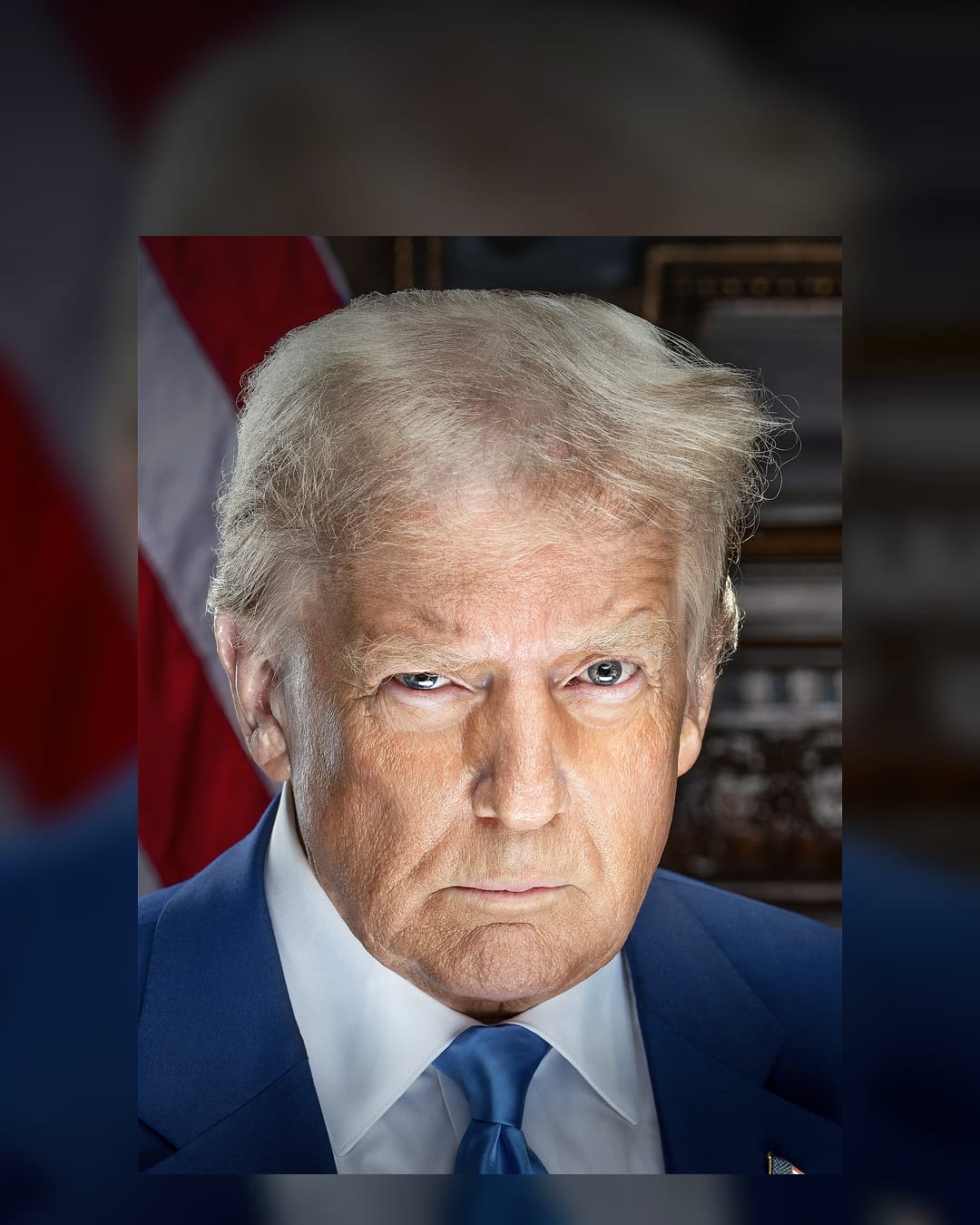 Image: Donald Trump in 2025 — Wikimedia Commons / White House public domain file
Why the uranium issue is central
Iran’s 60% enriched uranium stockpile is one of the main pressure points in any nuclear negotiation. It is not the same as having a nuclear weapon, but it shortens the technical distance between civilian enrichment and weapons-grade material.
For Washington, removing or neutralizing that stockpile would be the clearest proof that the framework has substance. For Tehran, surrendering it would be a major concession, especially if sanctions relief, frozen assets and regional security guarantees are not locked in.
The current bottom line
The claim is not baseless. Reliable reporting says U.S. officials believe Iran has agreed in principle to give up highly enriched uranium.
But the stronger viral version — that Iran has definitively agreed, in a finalized deal, to hand over all enriched uranium — goes beyond the public record. There is no released text, no stated timetable, no verified removal mechanism and no public Iranian confirmation.
NoDechev rating: reported but not finalized. The uranium concession is backed by U.S. official sourcing in major reporting, but the deal remains unfinished until Iran confirms it or signed terms are published.
Also Read
More on the fast-moving U.S.-Iran diplomacy track.
Read: Are the U.S. and Iran Nearing a 60-Day Ceasefire Extension?