

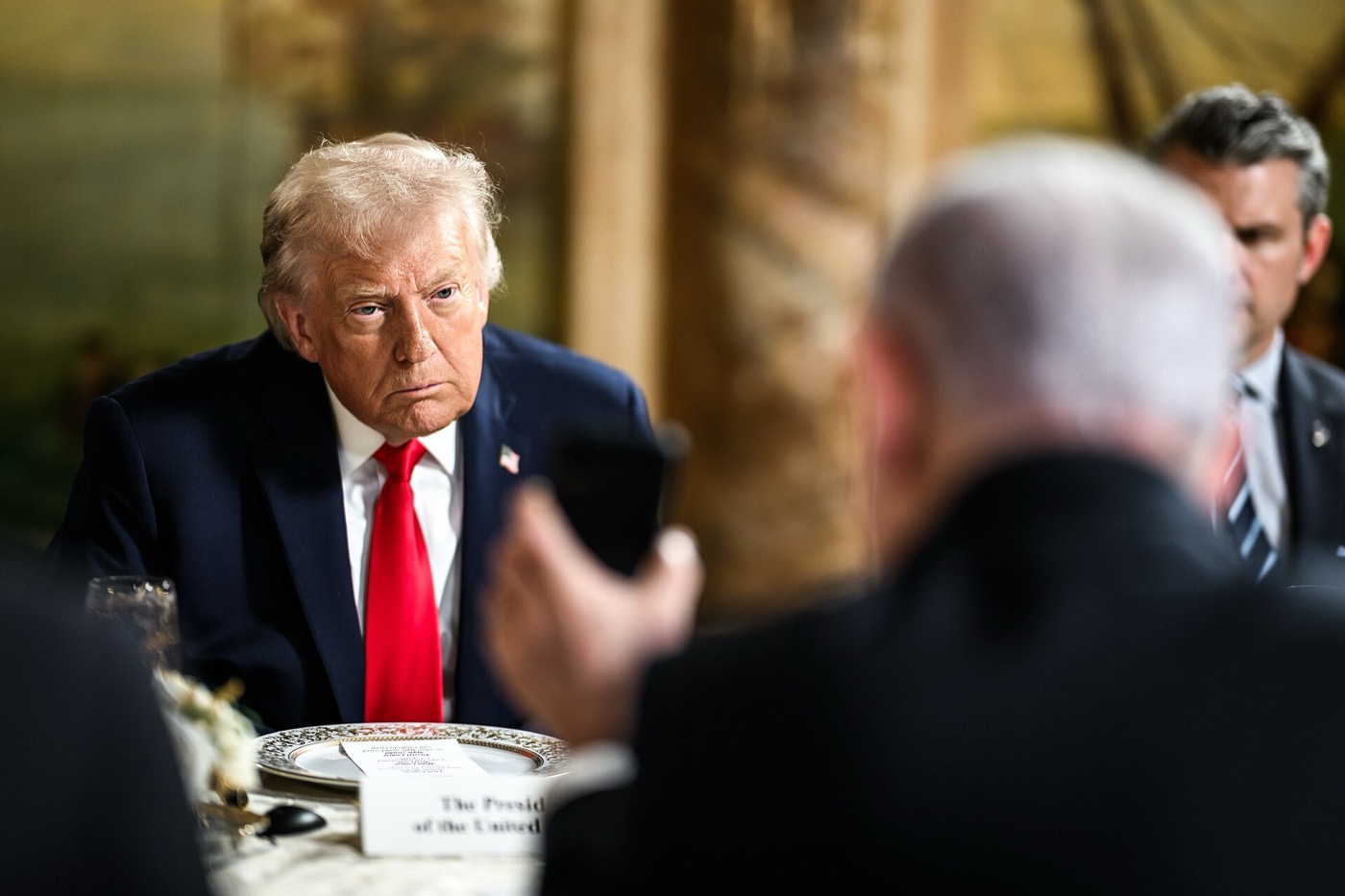
 Image: Donald Trump hosts Benjamin Netanyahu at Mar-a-Lago, Dec. 29, 2025 — White House / Wikimedia Commons, public domain
- Axios reported that Trump and Netanyahu had a difficult Tuesday call about the U.S. push for an Iran deal.
- One U.S. source briefed on the call told Axios that “Bibi’s hair was on fire after the call.”
- The quote describes reported frustration, not an official statement from Netanyahu or the White House.
Israeli Prime Minister Benjamin Netanyahu was reportedly furious after a tense phone call with President Donald Trump over the next phase of the Iran conflict, according to Axios reporting that was later picked up by Israeli and international outlets.
The sharpest line in the report came from one U.S. source briefed on the call, who told Axios that “Bibi’s hair was on fire after the call.” The phrase has since circulated as shorthand for a widening split between Washington and Jerusalem over whether to give diplomacy more time or resume strikes.
What reportedly happened
According to Axios, Trump called Netanyahu on Tuesday to discuss a new U.S.-backed diplomatic track involving mediators and a “letter of intent” that could end the current fighting and open a month-long negotiation period.
Those talks would reportedly focus on Iran’s nuclear program and reopening the Strait of Hormuz, a critical oil and gas chokepoint that has become central to the wider pressure campaign.
Netanyahu, according to the same report, was skeptical that another diplomatic round would produce a useful result. Israeli officials have been pushing for continued military pressure on Iran, while Trump has signaled he wants to test whether Tehran will accept a deal before restarting the war.
Where the quote comes from
The “hair on fire” wording is not a direct quote from Netanyahu. It is a characterization from a U.S. source briefed on the call, reported by Axios and repeated by The Jerusalem Post, i24NEWS and other outlets.
That distinction matters. The phrase is useful because it captures the reported mood after the call, but it should not be treated as a transcript or an on-the-record statement from either leader.
The Jerusalem Post reported that two Israeli sources said the leaders were in clear disagreement about how to deal with Iran moving forward. It also noted one source’s caveat that Netanyahu has been worried during previous phases of negotiations as well.
Why Trump and Netanyahu may be diverging
The policy split is straightforward: Netanyahu appears to doubt that Tehran will make meaningful concessions without more military pressure; Trump appears to want a short window for a deal, while still warning that war could resume quickly if talks fail.
i24NEWS, citing Axios and CNN, reported that Trump had earlier considered renewed targeted strikes, then held off after Gulf allies urged more time for diplomacy. CNN separately reported that Trump said he would “hold off” on a planned Tuesday attack at the request of Qatar, Saudi Arabia and the United Arab Emirates.
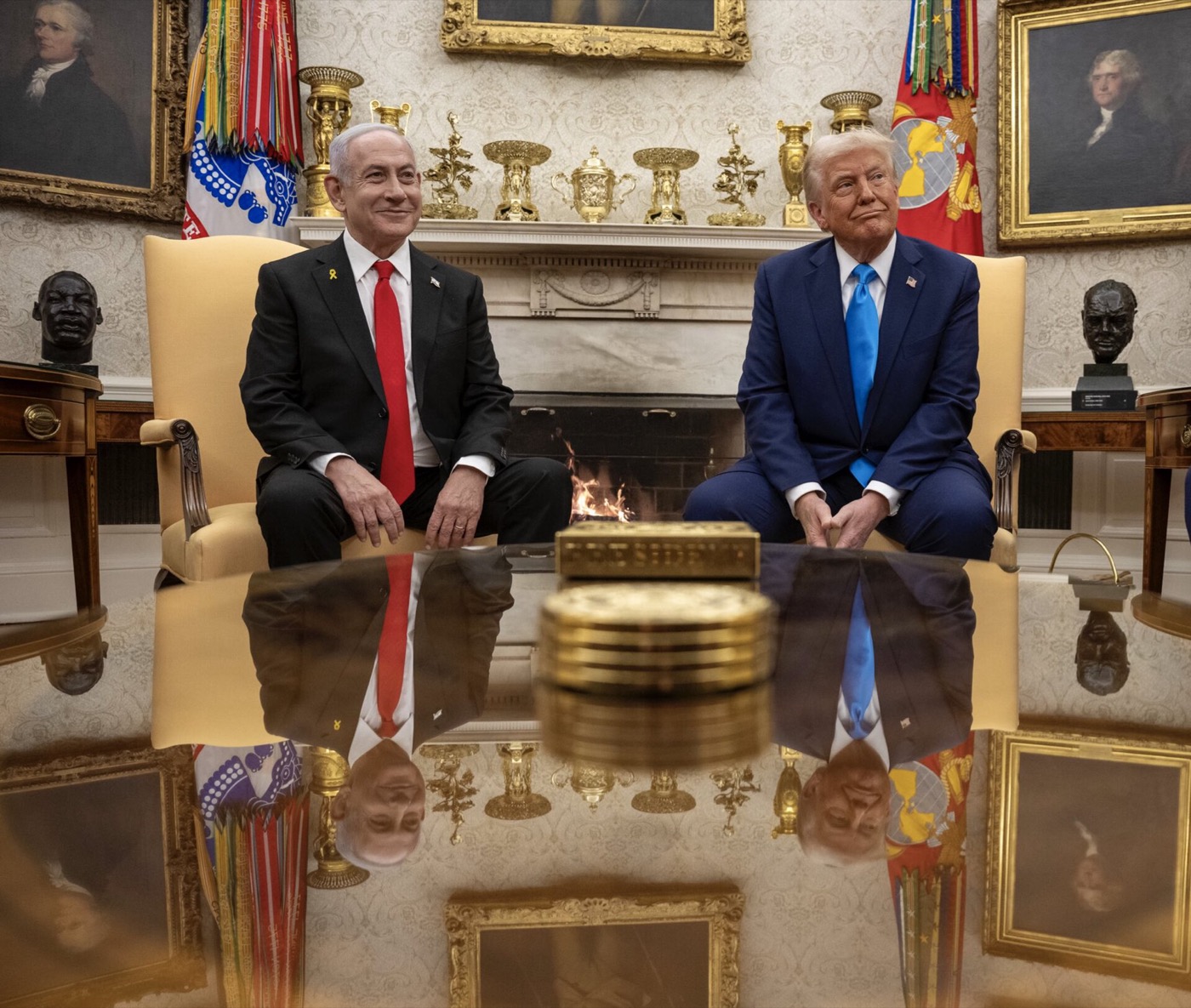 Image: Donald Trump and Benjamin Netanyahu at the White House, 2025 — White House / Wikimedia Commons, public domain
What is confirmed and what is not
Confirmed by reporting: Axios reported a difficult Trump-Netanyahu call; multiple outlets cited or summarized that report; U.S. and regional mediators have been pushing a new Iran proposal.
Reported, not officially confirmed: Netanyahu being “beside himself” or having his “hair on fire” is based on source characterizations, not public statements.
Still developing: whether the U.S.-Iran diplomatic track produces a written framework, whether Israel accepts the pause, and whether strikes resume if talks fail.
NoDechev rating: reported, with attribution needed. The tense call and “hair on fire” line trace back to Axios sources; the phrase should be framed as a source description, not a confirmed direct quote from Netanyahu.
Also Read
More on the Iran diplomacy track and Trump administration claims.
Read: Are the U.S. and Iran Nearing a 60-Day Ceasefire Extension?