

 Image: USS Princeton transiting the Strait of Hormuz, 2017 — U.S. Navy / Petty Officer 3rd Class Kelsey Hockenberger, public domain
- Iran’s IRGC Navy says 35 ships crossed the Strait of Hormuz in the last 24 hours, up from 31 reported the previous day.
- The key phrase is “with permission”: Tehran is presenting Hormuz traffic as controlled by Iranian authorization and IRGC coordination.
- The claim points to partial, managed movement through the chokepoint — not proof that normal free navigation has fully resumed.
Iran is signaling that traffic through the Strait of Hormuz is moving again, but on Tehran’s terms.
The Islamic Revolutionary Guard Corps Navy said 35 vessels, including oil tankers, container ships and other commercial carriers, transited the strait over the past 24 hours. Middle East Eye’s live update quoted the same figure and said the movements took place “with the permission of Iran.” Iran Press, a state-affiliated outlet, framed the passage as security coordination with Iranian naval forces.
What happened
The newest figure follows a smaller count earlier in the week. Al Jazeera reported on May 20 that the IRGC said it had coordinated 26 vessels through Hormuz in a 24-hour period. A later IRGC update put the count at 31 ships. The latest Iranian statement raises that number to 35.
That sequence matters because it suggests traffic is being restored in increments. But the political message is just as important as the shipping number: Iran is not saying the strait is simply open. It is saying ships are passing after permits and coordination with the IRGC Navy.
What Iran is trying to show
Tehran’s line is that it retains operational control over the chokepoint while still allowing selected commercial movement. This gives Iran two signals at once: to markets, that oil and container traffic has not stopped completely; to Washington, Israel and Gulf states, that the flow is conditional.
The Iranian version also pushes a legal and sovereignty argument. Iran Press described Hormuz as a corridor historically kept open by Iran, then said Tehran changed that posture after U.S. and Israeli strikes on February 28. That framing should be read carefully: it is Iran’s official narrative, not an independent assessment of maritime law.
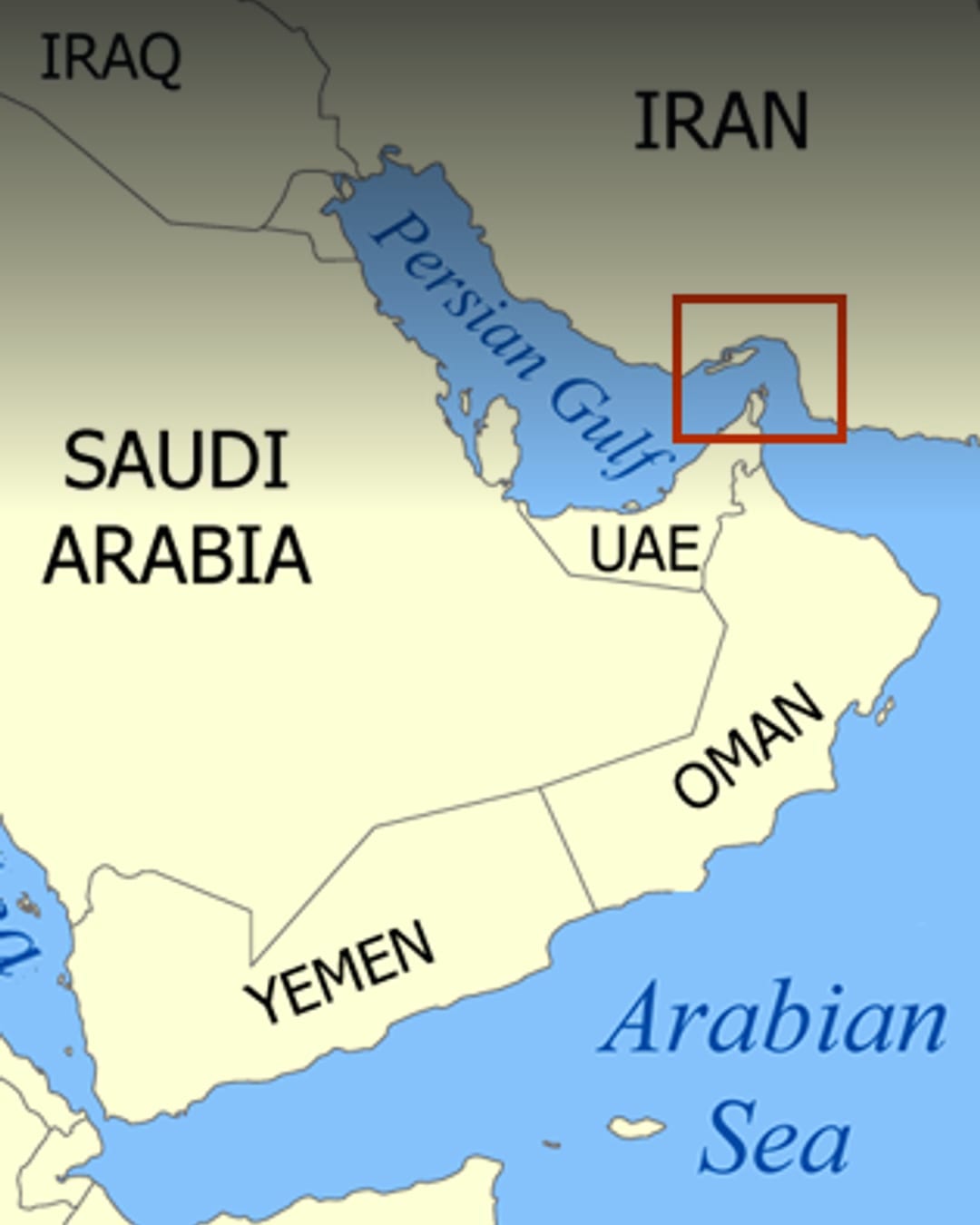 Map: Strait of Hormuz location — Kleptosquirrel / Wikimedia Commons, CC BY-SA 3.0
Why Hormuz matters
The Strait of Hormuz is one of the world’s most sensitive energy chokepoints. The International Energy Agency says about 20 million barrels per day of crude oil and oil products moved through the strait in 2025, roughly a quarter of world seaborne oil trade. The route is also critical for LNG exports from Qatar and the UAE.
That is why small numbers out of Hormuz matter. A report of 35 ships crossing in a day does not, by itself, prove market normality. But it is a signal that the total halt scenario is not the current picture — at least according to Iranian and regional reporting.
What is confirmed and what is not
Confirmed: Iranian-linked and regional outlets report that the IRGC Navy claimed 35 ships crossed Hormuz in the last 24 hours, with Tehran’s permission. The previous public sequence of IRGC-reported counts was 26, then 31, then 35.
Not fully confirmed: whether each vessel count can be independently matched to AIS tracking, whether all major flags and cargo categories are moving normally, and whether ships connected to the U.S., Israel or their allies face separate restrictions.
Why it matters now
The market signal is not “Hormuz is fixed.” The cleaner read is: controlled traffic is increasing, and Iran wants the world to understand that the permission switch sits in Tehran.
For oil, shipping insurance and regional diplomacy, that distinction is the whole story. If the count keeps rising and restrictions soften, the crisis starts to look like a managed reopening. If permission becomes politicized by flag, destination or cargo type, Hormuz remains a pressure point even while ships are technically moving.
NoDechev rating: verified claim, conditional context. The IRGC’s 35-ship statement is real and regionally reported; independent vessel-by-vessel confirmation and the durability of the reopening remain open questions.
Also Read
Another Iran-linked defense story where the exact official wording matters.
Read: Taiwan Arms Sales Are on “Pause” Over Iran Munitions Needs