

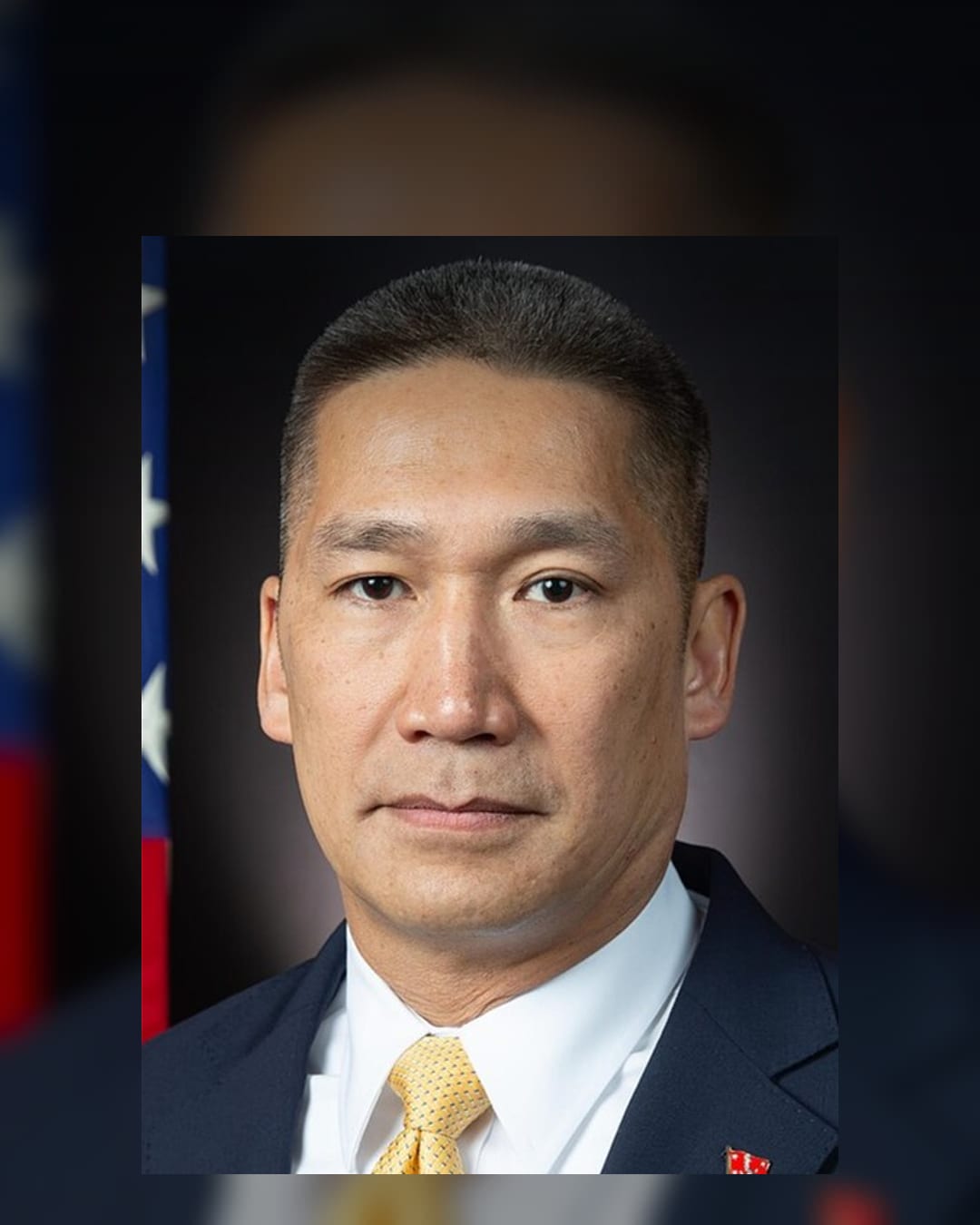
 Image: Hung Cao, Under Secretary of the Navy — U.S. Navy / Wikimedia Commons, public domain
- Acting Navy Secretary Hung Cao said at a Senate hearing that Taiwan foreign military sales are on “pause.”
- He linked the pause to checking U.S. munitions needs for Operation Epic Fury, while saying the U.S. has “plenty.”
- CBS/AFP and Reuters report that the State Department and Pentagon did not immediately clarify the remarks; Taiwan says it has not been told of changes.
The claim is broadly real: a senior U.S. Navy official publicly said Taiwan arms sales are being paused.
The important caveat is wording. The statement came in a Senate Appropriations Defense Subcommittee hearing, not in a full State Department notification explaining a canceled or permanently blocked package. That matters because foreign military sales move through formal approval, notification and delivery steps — and a “pause” can mean anything from a short stockpile review to a political hold.
What happened
At a May 21 hearing on the Navy’s fiscal year 2027 budget request, Acting Navy Secretary Hung Cao was asked about arms sales to Taiwan. According to CBS/AFP, Cao responded: “right now we’re doing a pause in order to make sure we have the munitions we need for Epic Fury — which we have plenty.”
He added that “the foreign military sales will continue when the administration deems necessary.” The hearing page from the Senate Appropriations Committee lists Cao as a witness and identifies the session as a Defense Subcommittee review of the Navy budget request.
Several reports framed the package as a planned or proposed $14 billion arms sale to Taiwan. That figure is now the viral headline. The verified core is narrower: Cao acknowledged a pause; the administration has not yet published a detailed public explanation of exactly which Taiwan package, systems or delivery schedule are affected.
Who is Hung Cao?
Hung Cao is the acting U.S. secretary of the Navy. The Navy’s official biography says he assumed that role on April 22, 2026, after previously serving as under secretary of the Navy. He is a retired Navy captain, former special operations and explosive ordnance disposal officer, and combat veteran.
That makes the comment significant: it did not come from an anonymous leak. But it also does not replace the formal foreign military sales trail normally handled through the State Department, Defense Security Cooperation Agency, Pentagon and congressional notification process.
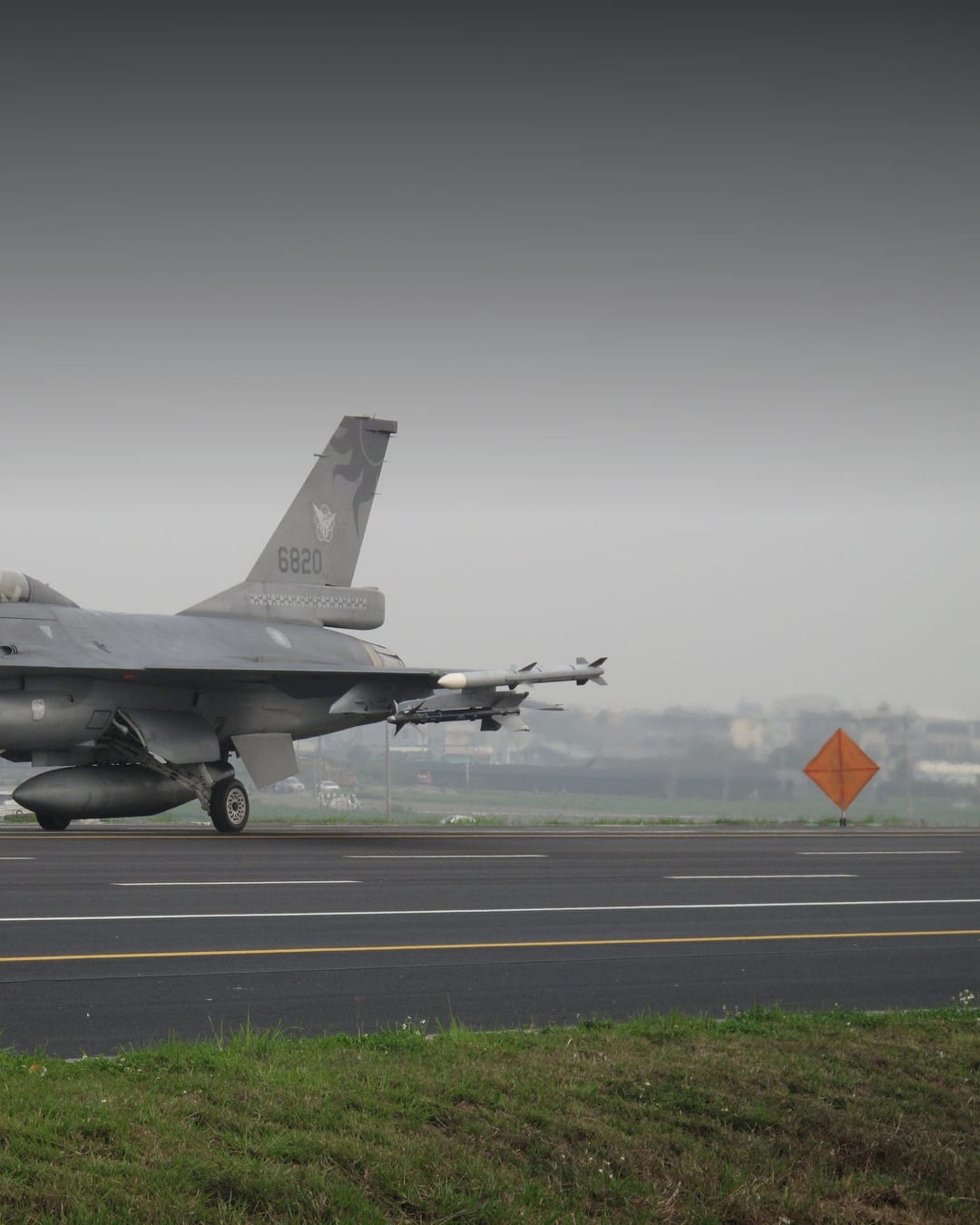 Photo: Taiwan Air Force F-16 during Han Kuang exercise — Voice of America / Wikimedia Commons
What Taiwan says
Reuters reports that Taiwan said it had not been informed by the United States of changes to military sales. That is a meaningful counterpoint. A public U.S. hearing remark can reveal policy direction, but Taiwan’s response suggests the pause had not yet been communicated as a formal change through the usual channels — at least publicly.
Taiwan’s Foreign Ministry separately described a December 2025 U.S. notification covering an $11.1 billion arms sale, including HIMARS-related equipment, M109A7 self-propelled howitzers, TOW missiles, Javelin systems, antiarmor UAV missile systems and Harpoon repair support. That earlier package is confirmed by Taiwan’s own government. The newly discussed $14 billion figure appears in reporting around a broader stalled or proposed purchase.
Why the Iran link matters
Cao tied the pause to munitions needs for Operation Epic Fury, the Trump administration’s Iran operation. In practical terms, this is the defense-industrial bottleneck story: the same categories of missiles, interceptors, artillery, rockets and precision systems can be pulled between active war needs, deterrence commitments and foreign military sales.
That does not mean Taiwan support is over. Cao’s own phrasing said sales would continue when the administration deems necessary. But it does show that Taiwan deliveries are competing inside a stressed U.S. munitions pipeline.
What to watch next
The next real signal is not another viral screenshot. It is whether the State Department, Pentagon or Defense Security Cooperation Agency clarifies the affected package, whether Congress presses for a timeline, and whether Taiwan confirms any formal notification from Washington.
If the administration confirms a specific $14 billion package is on hold, the story becomes sharper. If it narrows the pause to a temporary munitions review, the headline should be softened.
NoDechev rating: mostly confirmed, with caveats. Cao publicly said Taiwan arms sales are on “pause,” but formal detail on the exact $14 billion package and duration remains thin.
Also Read
A separate policy check where the exact wording changes the story.
Read: James Talarico Calls for 12-Year Term Limits in Congress