
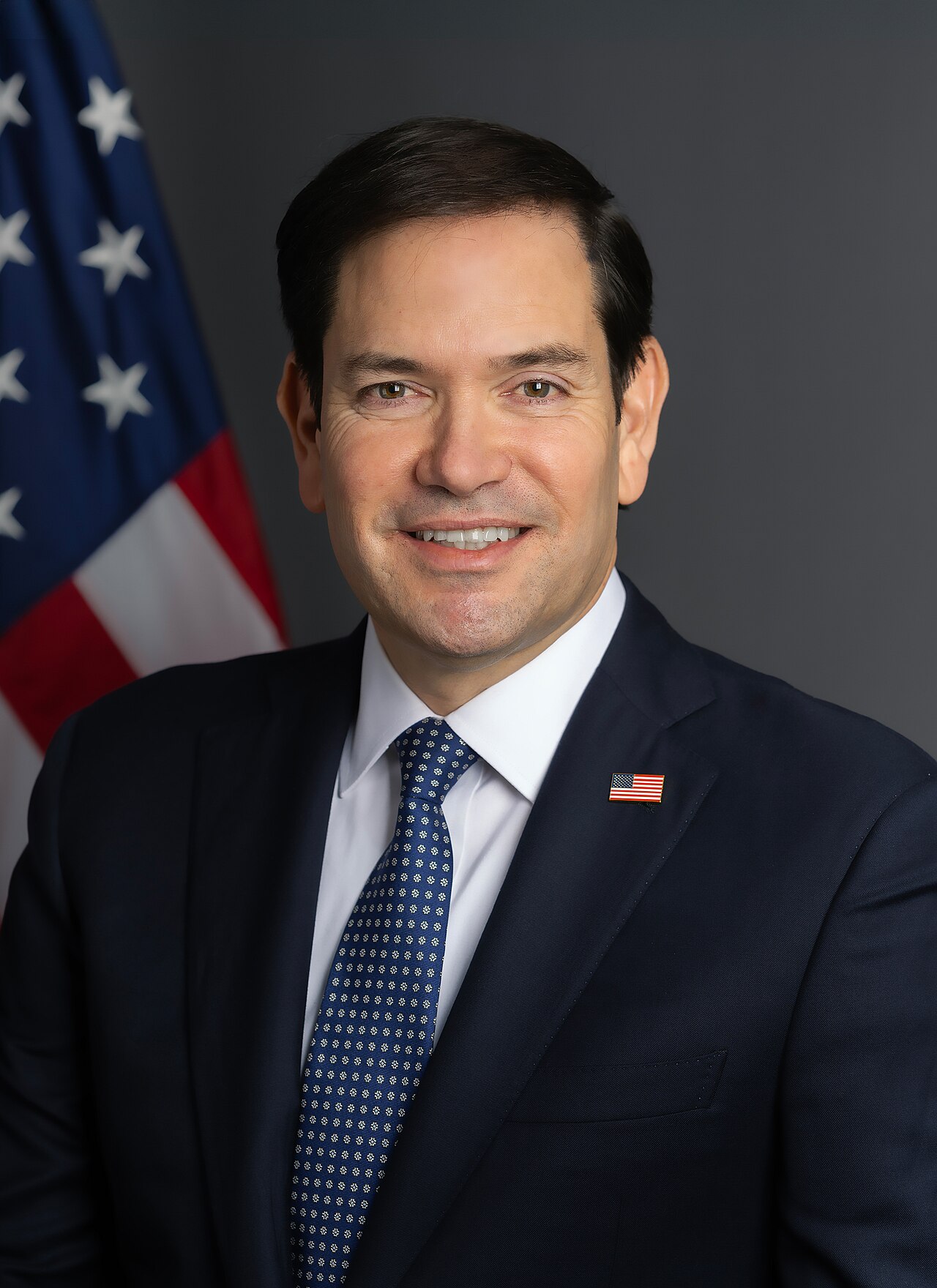
 Image: U.S. State Department / Wikimedia Commons, official portrait, local normalized asset.
- Marco Rubio said the Strait of Hormuz “has to be open” and will be open “one way or the other.”
- The quote came after fresh U.S. strikes linked to Iran tensions and alleged threats around the waterway.
- The Strait of Hormuz is a critical energy route, with roughly a fifth of global oil and LNG flows usually passing through it.
U.S. Secretary of State Marco Rubio said the Strait of Hormuz must remain open “one way or the other,” as Washington continues to link military pressure on Iran with negotiations over the waterway and nuclear issues.
“The straits have to be open, they’re going to be open one way or the other, so they need to be open,” Rubio told reporters aboard his plane in Jaipur, India, according to Reuters reporting carried by CNBC-TV18.
The line is blunt because the Strait of Hormuz is not just another shipping lane. It is one of the world’s most important energy chokepoints, connecting the Persian Gulf to the Gulf of Oman and global markets.
What happened
Rubio made the comment while discussing fresh U.S. strikes in southern Iran. U.S. Central Command said the strikes were designed “to protect our troops from threats posed by Iranian forces,” after Washington described targets that included boats attempting to lay mines and missile launch sites.
The statement came during a tense moment in the U.S.-Iran conflict. Rubio also said negotiations with Iran could “take a few days,” pushing back against expectations of an immediate end to the standoff.
Why Hormuz matters
The Strait of Hormuz is the narrow passage through which much of the Gulf’s oil and liquefied natural gas reaches world markets. CNBC-TV18, citing Reuters, noted that about a fifth of the world’s oil and LNG usually flows through the route.
That is why even the threat of disruption can move markets. If ships cannot safely pass through Hormuz, the pressure is felt far beyond the Gulf — in oil prices, fuel costs, fertilizer, shipping insurance and food prices.
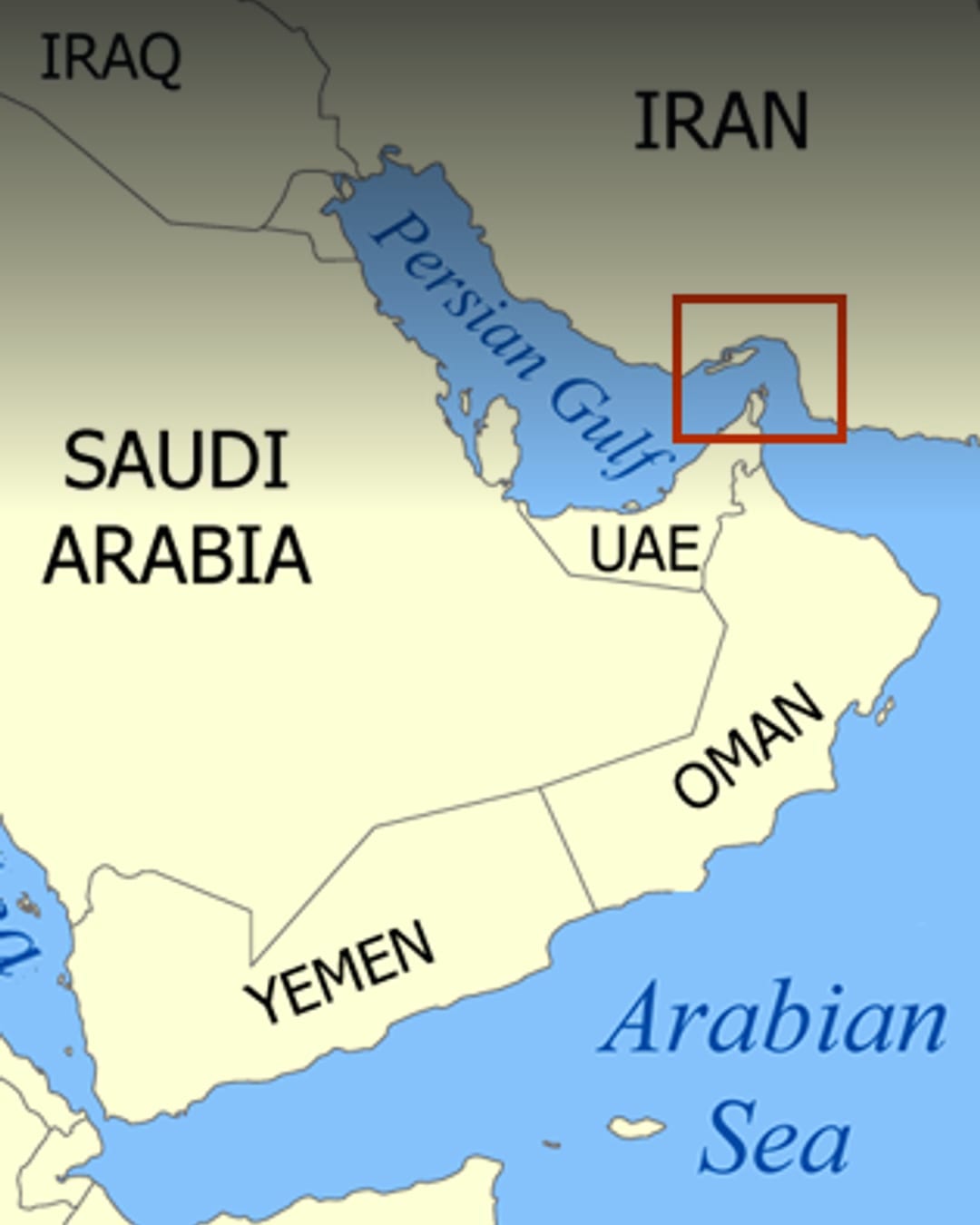 Image: Wikimedia Commons / Strait of Hormuz map, local normalized asset.
The negotiation track
Rubio said there was a “pretty solid thing on the table,” referring to talks over reopening the strait and a “very real, significant, time-limited negotiation” on nuclear issues.
According to the same Reuters-backed report, Iranian officials were in Doha for talks with Qatar’s prime minister on a possible deal with the U.S. The discussions reportedly focused on the Strait of Hormuz, Iran’s stockpile of highly enriched uranium, and possible release of frozen Iranian funds.
Iran’s foreign ministry spokesperson Esmaeil Baghaei said nuclear issues would only be negotiated after a framework accord was agreed. Tehran continues to deny that it is seeking a nuclear weapon.
What is confirmed — and what is not
Confirmed: Rubio said the strait has to be open “one way or the other.” Confirmed: U.S. officials linked the comment to recent strikes and threats around the waterway. Confirmed: talks involving Iran and regional intermediaries are being reported around Hormuz and nuclear issues.
Not confirmed: whether a final agreement is close, whether Iran will accept the reported framework, or how the U.S. would enforce Rubio’s “one way or the other” language if diplomacy fails.
The clean read: Rubio is signaling that Washington sees Hormuz as non-negotiable. Diplomacy is still active, but the phrase “one way or the other” is meant to leave military enforcement visibly on the table.
What to watch next
The next signal is ship traffic. If vessel counts through Hormuz begin returning toward normal levels, the diplomatic track may be working. If traffic stays depressed or more U.S. strikes follow, Rubio’s comment will read less like rhetoric and more like a warning of escalation.
Ready social post
Marco Rubio says the Strait of Hormuz “has to be open” and will be open “one way or the other,” after fresh U.S. strikes tied to Iran tensions. The quote is confirmed; the key question now is whether diplomacy reopens the route or enforcement escalates.
Read next: U.S. and Iran discuss Hormuz reopening framework