
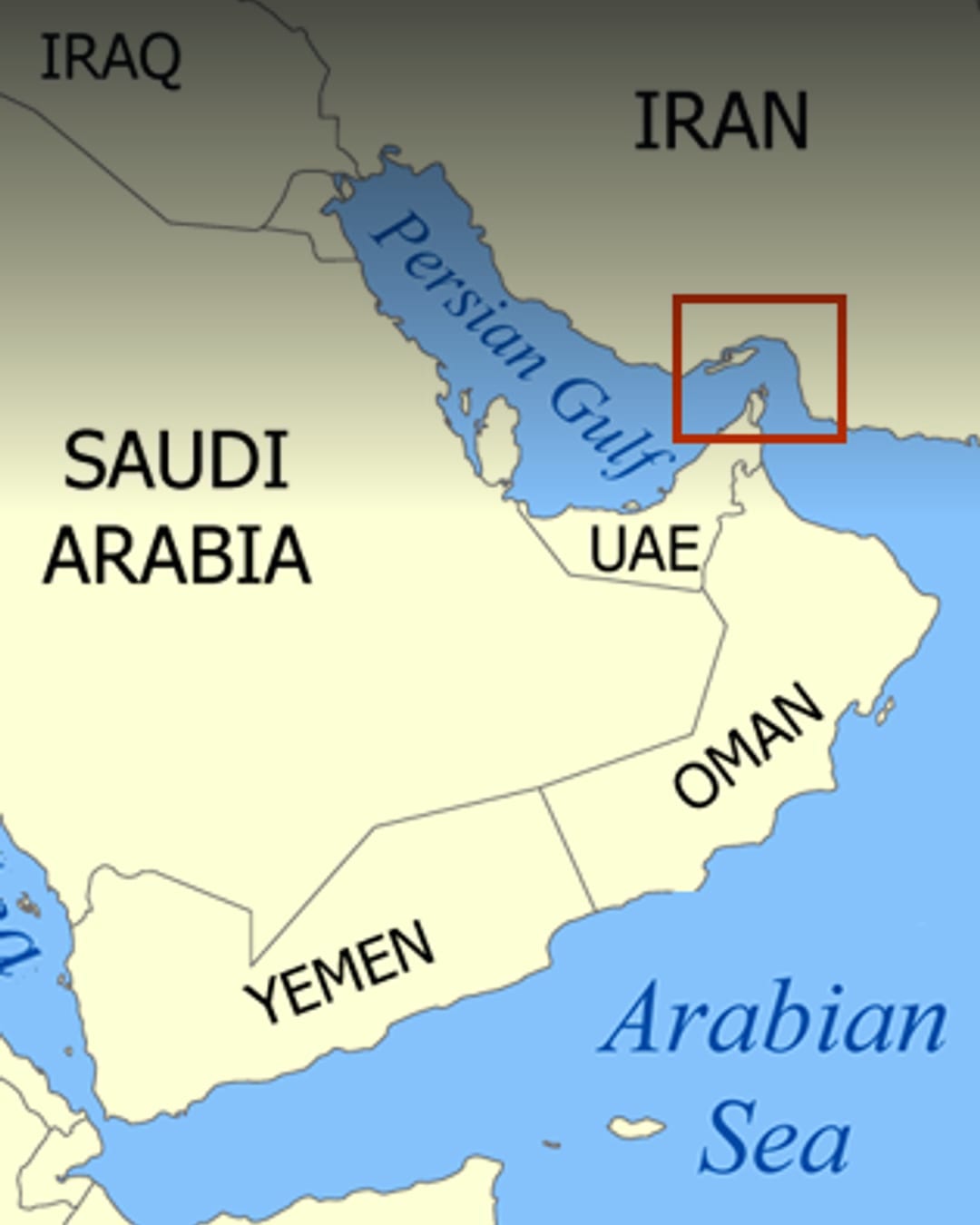
 Image: Strait of Hormuz map — Wikimedia Commons
- Trump says a U.S.-Iran framework is largely negotiated and includes reopening the Strait of Hormuz.
- Iranian semi-official reporting says that framing is “far from reality” because Tehran would still control routes, timing, manner of passage and permits.
- The dispute is about what “reopening” means: higher ship traffic does not necessarily mean free pre-war passage.
Iran is pushing back on President Donald Trump’s claim that a proposed peace framework would reopen the Strait of Hormuz, saying the U.S. version leaves out the most important detail: Tehran would still control shipping permits.
The response, carried by Iran’s semi-official Fars News Agency and cited in regional and international reporting, said Trump’s “reopening” language is incomplete and “far from reality.”
What Trump claimed
Trump has said a U.S.-Iran agreement is “largely negotiated” and that reopening the Strait of Hormuz is part of the framework. The claim fits a broader White House message that the conflict track is moving toward de-escalation, with oil shipping and nuclear terms both on the table.
But the public record still does not include a signed agreement, a released draft text or a joint U.S.-Iran statement. That makes the Hormuz wording especially important.
Iran’s version
According to Fars-linked reporting, the latest exchanged text would keep the Strait of Hormuz “under Iran’s management” even if a possible agreement is reached.
The quoted Iranian position says Tehran would retain control over the route, timing and manner of passage — including the issuing of permits. In other words, Iran may allow shipping volumes to rise again, but it is not describing that as a return to unrestricted pre-war transit.
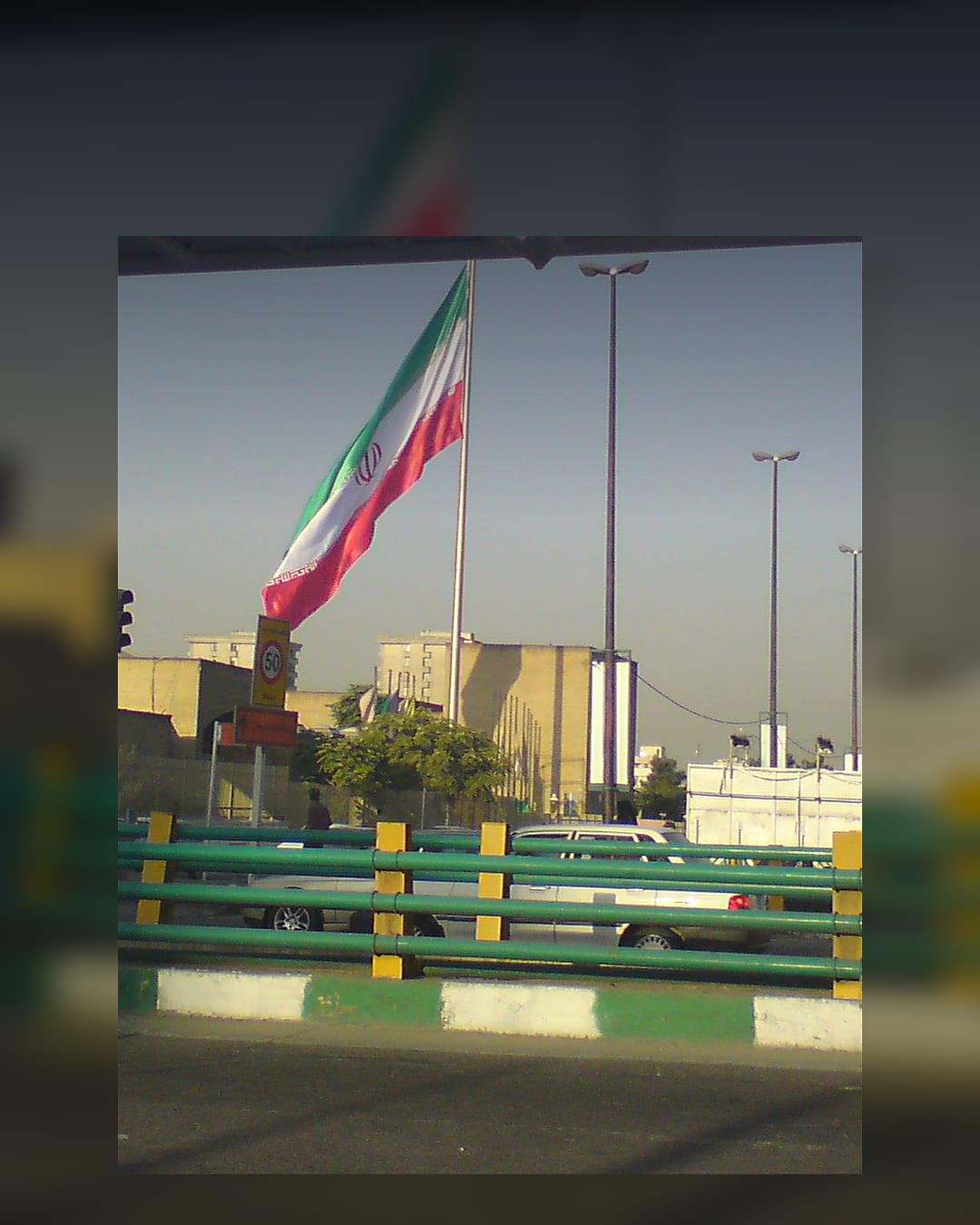 Image: Iranian flag near Azadi Tower — Wikimedia Commons
The key difference: reopening vs. free passage
Both sides can use the word “reopening” and mean different things.
For Trump, reopening suggests shipping lanes resume and the economic pressure around oil transport eases. For Tehran, the same arrangement can mean controlled passage under Iranian discretion — permits, routes, timing and conditions still set by Iran.
That difference is not semantic. The Strait of Hormuz is one of the world’s most important energy chokepoints. Any uncertainty over who controls access affects oil markets, Gulf security and the credibility of a peace framework.
What is confirmed
The Trump claim is confirmed in major reporting. The Iranian rebuttal is also being reported, with Fars as the key source for Tehran’s wording.
What is not confirmed is the final deal text. There is no public document showing exactly how shipping access would work, who would monitor it, whether permits would be automatic or discretionary, or what the U.S. would receive in exchange for accepting Iran’s management language.
Why the caveat matters
Fars is close to Iran’s hardline security establishment, so its wording may reflect a pressure position as much as a final government-wide stance. Still, the quote is significant because it directly challenges the market-friendly interpretation of Trump’s announcement.
The safest current read is that a Hormuz reopening may be part of the proposed framework — but not necessarily on U.S. terms, and not necessarily as free passage.
NoDechev rating: confirmed dispute, no finalized terms. Trump’s reopening claim and Iran’s “far from reality” rebuttal are both reported; the actual control mechanism for Hormuz remains unresolved until deal text is public.
Also Read
More on the U.S.-Iran framework and what is still unconfirmed.
Read: Iran Reportedly Agreed to Give Up Enriched Uranium in Trump-Announced Deal Framework