
 Image: Iran Ministry of Foreign Affairs central building in Tehran - GTVM92 / Wikimedia Commons, CC BY-SA 4.0.
- Axios reports U.S. and Iranian negotiators have agreed on a 60-day memorandum of understanding.
- The MOU would extend the ceasefire, reopen talks on Iran's nuclear program and address Strait of Hormuz shipping.
- The key caveat: President Trump has not given final approval, and Iran has not publicly confirmed Axios' full account.
U.S. and Iranian negotiators have reached agreement on a 60-day memorandum of understanding, but the deal still needs President Donald Trump's final approval, Axios reported on May 28, citing two U.S. officials and a regional source involved in mediation.
That makes the headline real, but narrower than the viral version. This is a reported diplomatic framework, not a signed peace agreement and not a completed nuclear deal. The reported MOU would buy time for more detailed talks while keeping the ceasefire alive.
What happened
Axios says the negotiators agreed to a 60-day MOU that would extend the ceasefire and launch negotiations over Iran's nuclear program. U.S. officials told Axios the terms were mostly agreed earlier in the week, then Iranian negotiators said they had secured the approvals needed on their side and were ready to sign.
The remaining blocker, according to Axios, is Trump. The report says U.S. negotiators briefed him on the final details, and that he asked mediators for a couple of days to think it over before giving approval.
What is reportedly in the MOU
The reported framework would state that shipping through the Strait of Hormuz should be unrestricted. Axios reports that U.S. officials interpret that as no tolls, no harassment and removal of mines from the strait within 30 days.
The U.S. naval blockade would be lifted in proportion to the restoration of commercial shipping, according to the same report. The MOU would also include an Iranian commitment not to pursue a nuclear weapon and would open talks over Iran's highly enriched uranium, enrichment activity, sanctions relief and frozen Iranian funds.
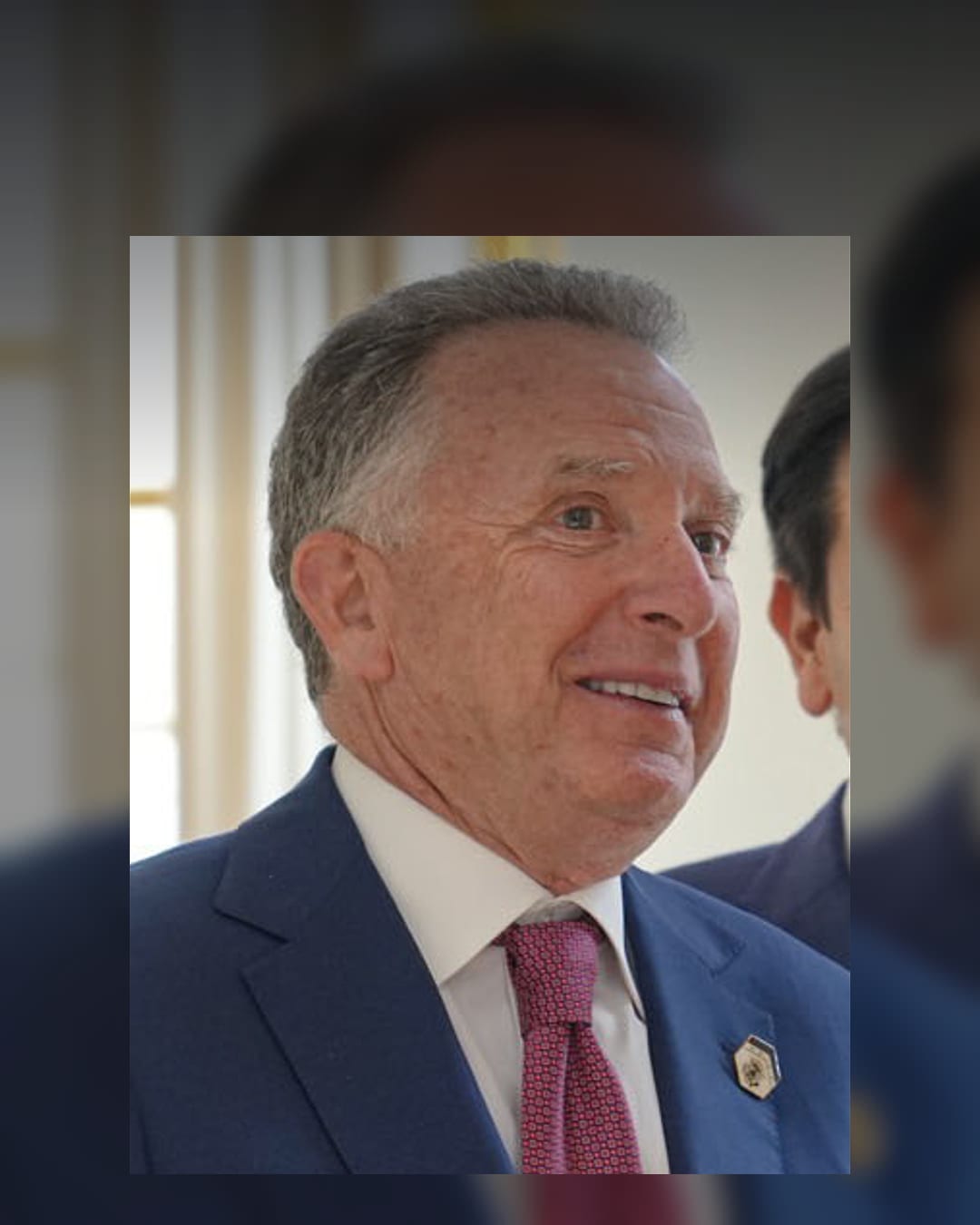 Image: U.S. Special Envoy Steve Witkoff at the Elysee Palace in Paris, April 2025 - U.S. Department of State / Wikimedia Commons, public domain.
Why it matters
If signed, the MOU would be the clearest diplomatic step since the conflict entered a largely paused phase. It would not settle the hardest issue - what happens to Iran's nuclear program - but it would create a 60-day window for direct talks under a reduced-conflict arrangement.
Al Jazeera reported earlier that Trump had described an Iran agreement as largely negotiated, while saying final details were still being discussed. ANSA's live coverage, citing Axios and European responses, also described a 60-day framework tied to Hormuz access, oil flows and nuclear negotiations.
What is not confirmed
Iran has not publicly confirmed Axios' full account of the MOU terms. That matters because earlier rounds of this diplomatic track produced optimistic U.S. briefings before the details stalled or shifted.
It is also too early to describe this as a final nuclear agreement. The reported MOU would start negotiations on enriched uranium, enrichment and sanctions relief. Those are exactly the questions that could still break the process.
What to watch next
The next signal is whether Trump approves the MOU and whether both sides publicly acknowledge the same text. If that happens, the immediate market and security questions will shift to Hormuz shipping, mine removal, blockade timing and whether the 60-day nuclear track produces verifiable commitments.
For now, the clean read is this: negotiators have reportedly reached a framework, the framework is significant, but it is still conditional on Trump and public confirmation from the parties.
NoDechev rating: credible report, conditional status. Axios has the direct scoop; supporting coverage shows the same diplomatic track, but the deal should be framed as pending approval, not completed.
Also Read
The reported MOU comes after a series of escalations and source-checked claims around Hormuz, Kuwait and Iran's regional posture.
Read the CENTCOM Kuwait missile update