
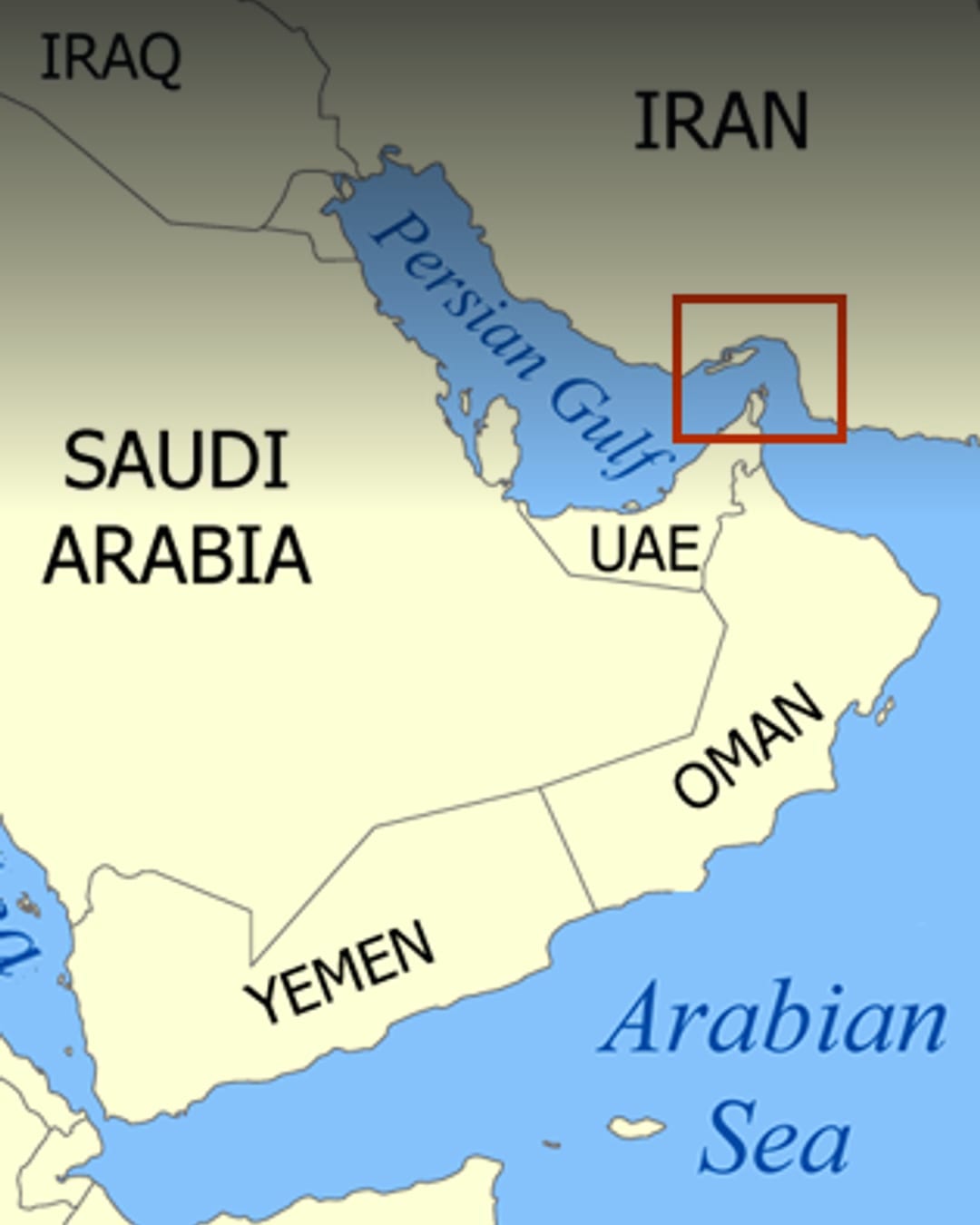
 Image: Strait of Hormuz map - Wikimedia Commons
- Trump appeared to threaten Oman during a Cabinet meeting when asked about Iran-Oman control or management of Hormuz shipping.
- Reuters reported that Iran’s parliament security chief said Trump’s rhetoric would not force Iran to retreat from its demands.
- Separate reporting described Iran as showing support for Oman after the U.S. threat, but Oman had not immediately responded publicly.
President Donald Trump appeared to threaten Oman after rejecting reports that Iran and Oman could jointly manage shipping through the Strait of Hormuz as part of a possible deal to end the war.
The line was striking because Oman is not an enemy state. It is a longtime U.S. partner and has repeatedly served as a diplomatic channel between Washington and Tehran.
What happened
During a Cabinet meeting on Wednesday, Trump was asked about a reported framework under which Iran and Oman would help manage traffic through the Strait of Hormuz. Reuters reported that Iranian state TV had described an unofficial draft that would restore commercial shipping within a month and involve Iran and Oman in traffic management.
Trump rejected the idea that any country would control the waterway. He said the strait was international waters and added that Oman would need to “behave” like everyone else or the U.S. would “blow them up,” according to AP, Reuters-carried reporting and multiple outlets that published video or transcript references.
NoDechev status: the Trump quote is widely reported. The unresolved question is whether it was deliberate policy language, a misspoken remark, or loose rhetoric during a public meeting.
Iran’s response
Iranian reaction framed the threat as pressure that would not change Tehran’s position. Reuters reported that Ebrahim Azizi, head of the Iranian parliament’s national security committee, said Trump’s rhetoric would not force Iran to back away from its demands on uranium enrichment, authority over the strait and sanctions relief.
Devdiscourse also reported that Iran’s Foreign Ministry spokesperson Esmaeil Baghaei expressed support for Oman after what it described as provocative U.S. threats linked to the Strait of Hormuz. That report fits the wider Iranian line: Hormuz decisions, Tehran argues, belong to the coastal states and should not be dictated by Washington.
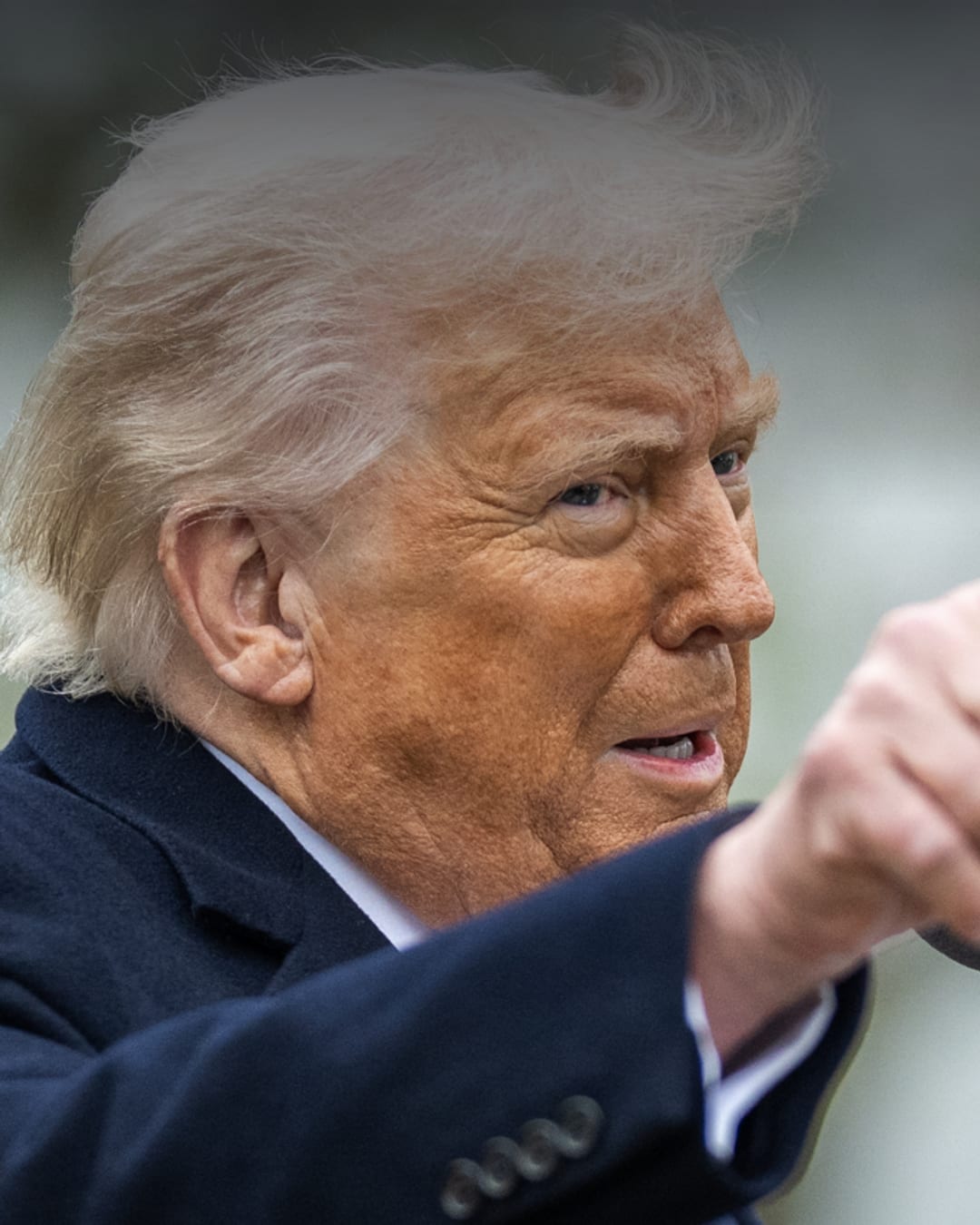 Image: Donald Trump signs a presidential memorandum - White House / Wikimedia Commons, public domain
Why Oman matters
Oman sits on the southern side of the Strait of Hormuz through its Musandam exclave. Iran sits to the north. That geography is why the dispute is not only about U.S.-Iran talks; it is also about who can define safe passage, fees and enforcement in one of the world’s most important energy corridors.
The Guardian reported earlier this week that Iranian Foreign Ministry spokesperson Esmail Baghaei said future management of the strait was a matter for Oman and Iran to reach agreement on, while rejecting the word “tolls” and describing the proposal as fees for navigational services.
What is confirmed
Confirmed: Trump publicly rejected Iran-Oman control of the Strait of Hormuz. Confirmed: he appeared to threaten Oman in that context. Confirmed: Iranian state TV reported draft terms that Washington later called fabricated. Confirmed: Iranian officials say they are not backing away from demands involving Hormuz, sanctions and enrichment.
Not confirmed: that Oman has accepted any joint traffic-management plan with Iran. Not confirmed: that Trump’s threat represents an actionable military plan. Also not confirmed: that the Iranian state TV draft accurately reflects a document accepted by either side.
Why it matters
Loose threats around Hormuz can move markets and diplomacy at the same time. Reuters reported that oil prices initially fell after the Iranian state TV draft suggested a shipping restoration framework, then recovered part of the drop after the White House rejected the report and Trump pushed back publicly.
The larger signal is that the talks remain unstable. The U.S. wants open shipping, limits on Iran’s nuclear program and no Iranian control over the chokepoint. Iran wants sanctions relief, recognition of its role in Hormuz and a path that does not look like capitulation after the war.
Oman is caught in the middle: a mediator, a coastal state and a U.S. partner now named directly in a threat from Washington.
NoDechev rating: verified quote, contested policy meaning. The public threat is real; the level of operational intent is not established.
Also Read
More NoDechev coverage on Hormuz claims and U.S.-Iran negotiations.
Read: White House Calls Iran Draft MOU a “Complete Fabrication”