

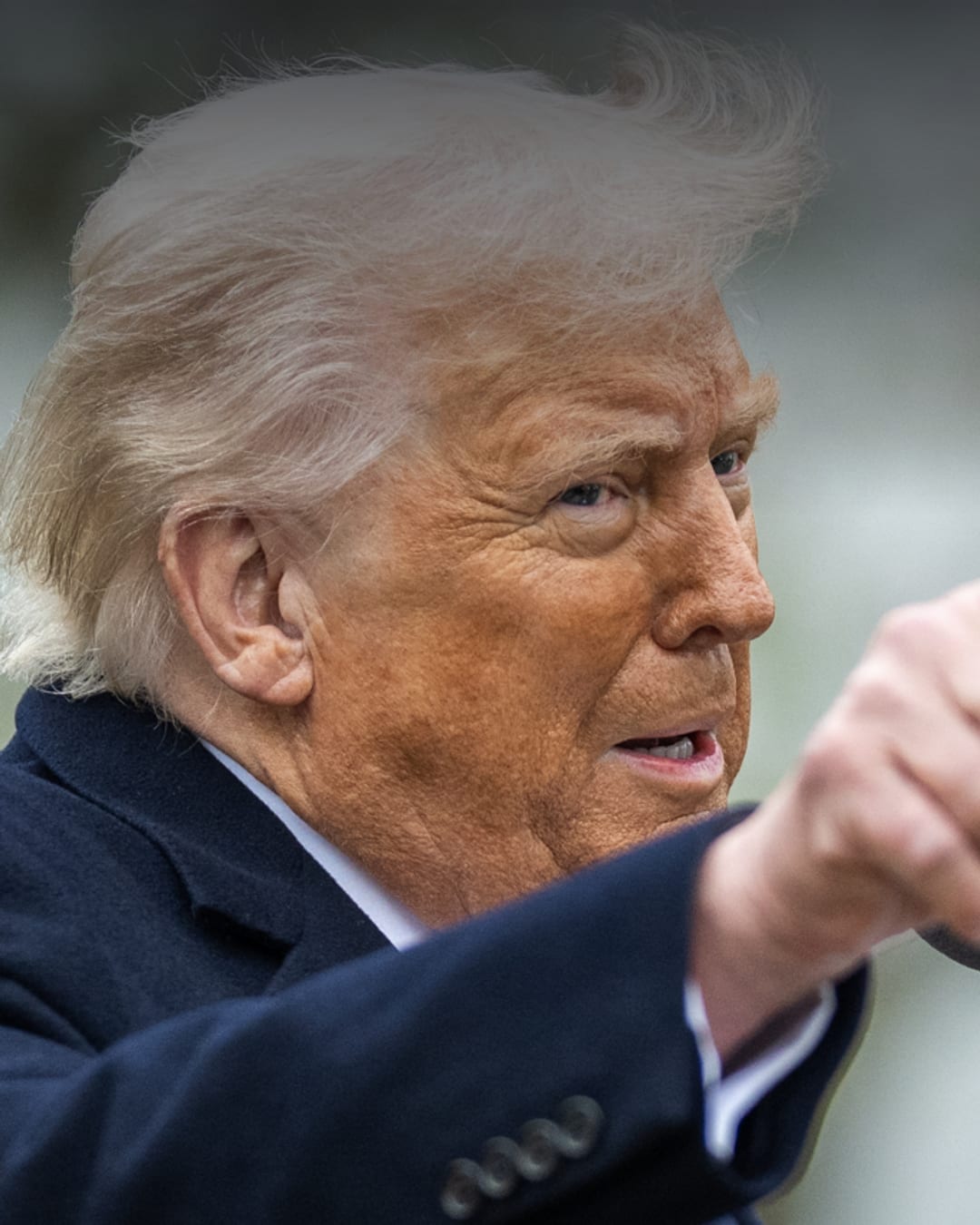
 Image: Donald Trump signs a presidential memorandum — White House / Wikimedia Commons, public domain
- Iranian state TV reported draft U.S.-Iran MOU terms including U.S. military withdrawal, lifted naval restrictions and Hormuz shipping restoration.
- The White House Rapid Response account rejected the report, saying the released MOU was “a complete fabrication.”
- Separate CBS reporting says draft diplomacy exists, but not all reported terms have been confirmed by Washington or agreed by Iran.
The White House is pushing back hard on Iranian state TV reporting about a supposed draft memorandum of understanding between Washington and Tehran.
According to Fox News’ live coverage, Iranian state TV said Wednesday that a draft framework for a potential agreement would require U.S. forces to withdraw from the vicinity of Iran, lift a naval blockade and restore commercial shipping through the Strait of Hormuz within one month.
The White House Rapid Response account rejected that version directly.
“This report from Iranian controlled media is not true and the MOU they ‘released’ is a complete fabrication,” the White House account posted on X, according to Fox News. “Nobody should believe what Iranian state media is putting out. FACTS MATTER.”
What Iranian state TV claimed
The reported draft centered on de-escalation and shipping. Fox said the Iranian state TV version included U.S. military withdrawal from near Iran, the lifting of a naval blockade and restored shipping through the Strait of Hormuz.
Those headlines briefly moved oil markets. Fox reported oil prices fell more than 5% as traders reacted to the possibility that Hormuz disruptions could ease.
What the White House did — and did not — say
The White House denial targets the Iranian state media version of the MOU, not the broader fact that diplomacy is happening.
White House assistant press secretary Olivia Wales told Fox News: “As President Trump has said, negotiations are proceeding nicely and he has made his redlines clear.” She added that Trump would only make a deal that ensures Iran can never have a nuclear weapon.
That distinction matters. Washington is not saying there are no talks. It is saying the specific MOU circulated by Iranian-controlled media should not be treated as real.
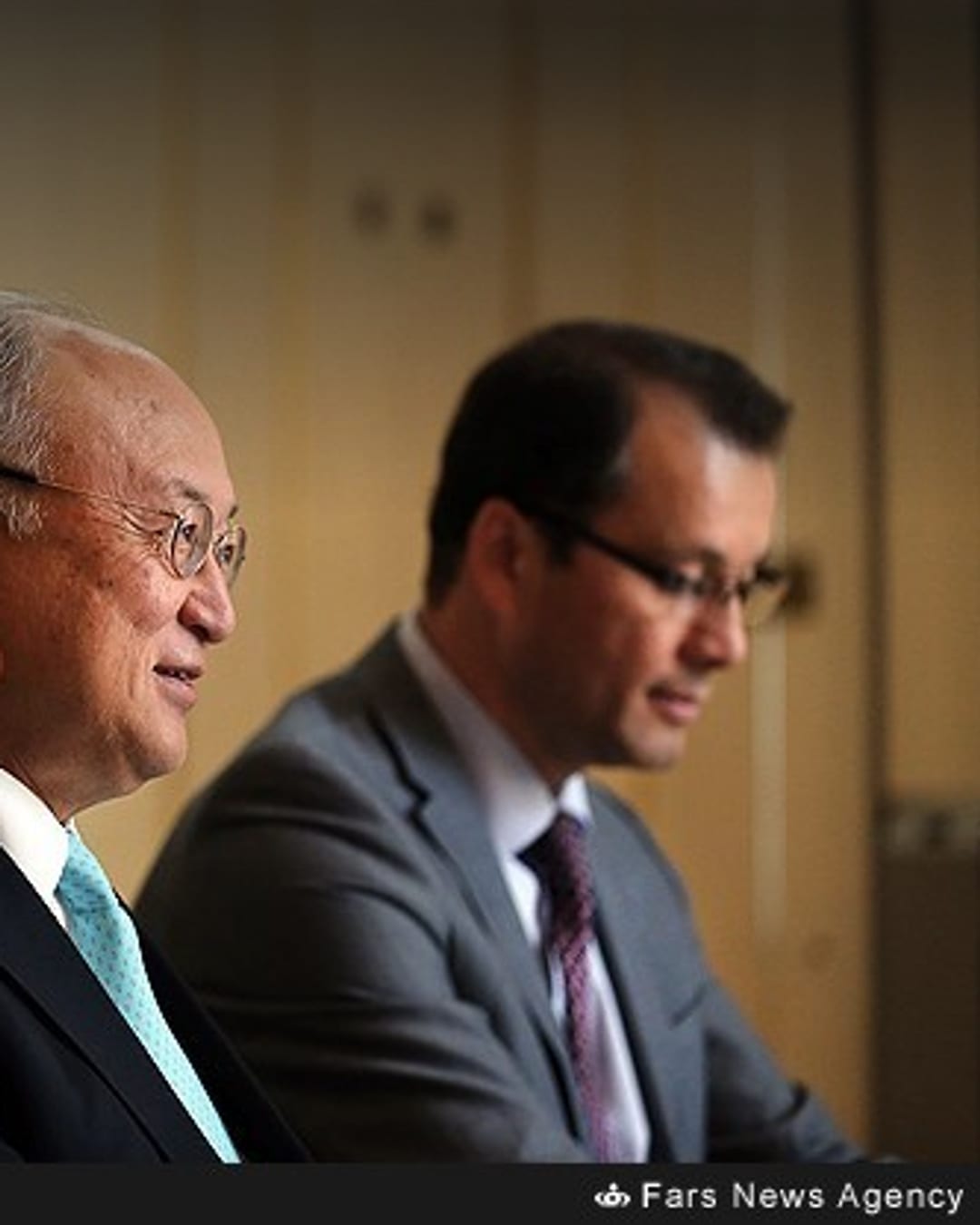 Image: Iran nuclear talks in Vienna — Wikimedia Commons / public source archive
Other draft reporting is less absolute
CBS News separately reported that a draft proposal under discussion included a 60-day ceasefire extension, reopening the Strait of Hormuz, an end to military operations on multiple fronts, and Iran reaffirming it will not develop nuclear weapons.
But CBS also noted that Iran had not agreed to all terms and that a U.S. official confirmed some points but not others. Iranian Foreign Ministry spokesman Esmaeil Baqaei said there were still unresolved issues and that the current focus was ending the war, not final nuclear details.
So the careful read is this: there may be draft diplomacy in circulation, but the Iranian state TV document described Wednesday was denied by the White House as fabricated.
Why it matters
In fast-moving war diplomacy, draft documents can move markets before anyone verifies them. The Hormuz angle is especially sensitive because even rumors about reopening or restricting the strait can shift oil prices.
That is why the White House wording was unusually blunt. It was not a quiet “no comment”; it was a public warning not to rely on Iranian state media’s version of the MOU.
NoDechev rating: verified statement, disputed document. The White House did call the Iranian state TV MOU a “complete fabrication.” Broader U.S.-Iran negotiations remain active, but the specific draft published by Iranian-controlled media is denied by Washington.
Also Read
More NoDechev coverage on U.S.-Iran negotiation claims.
Read: Iran Says U.S. and Israel Still Seek Regime Change