

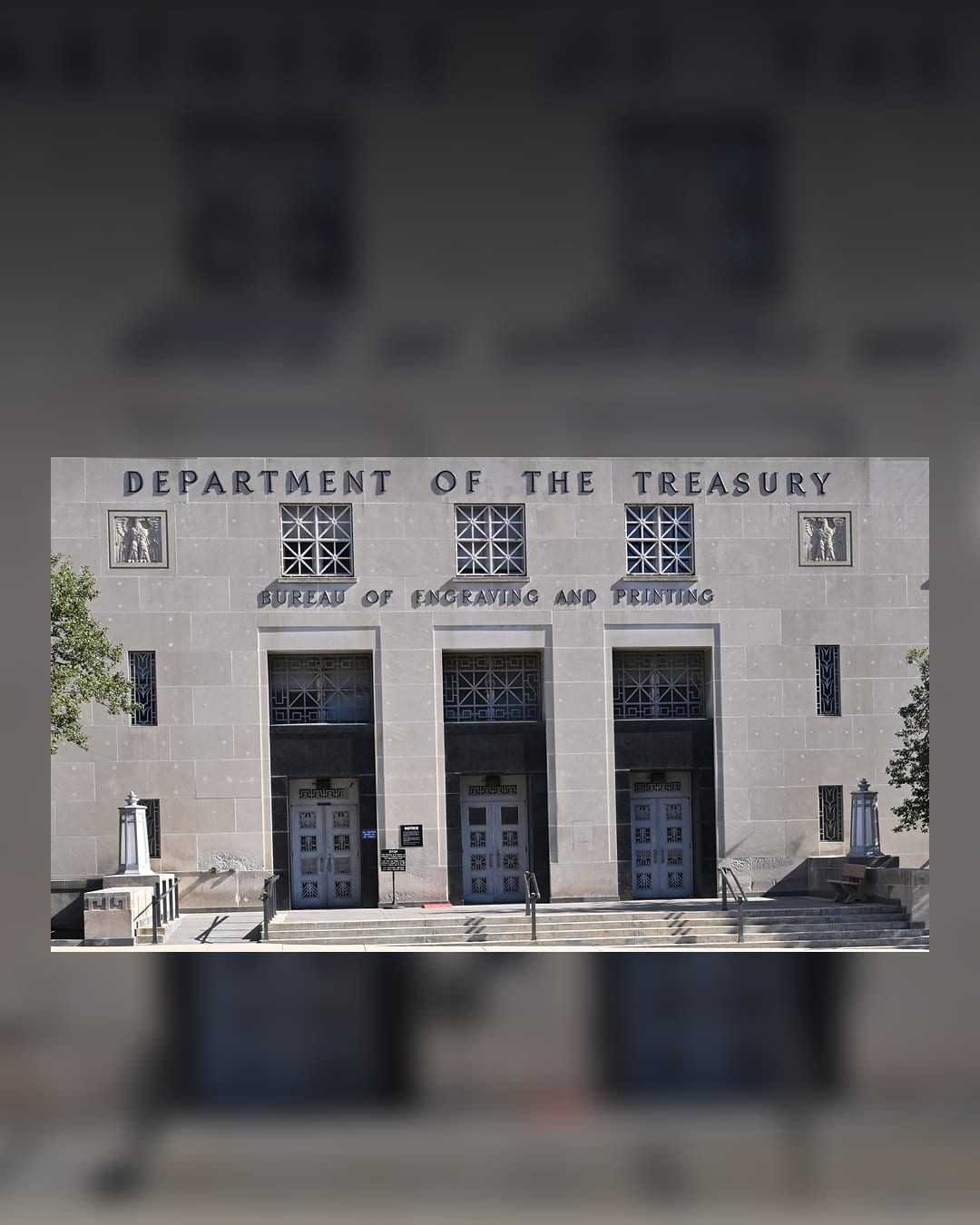
 Image: Bureau of Engraving and Printing annex entrance in Washington, DC - G. Edward Johnson / Wikimedia Commons, CC BY 4.0.
- The Washington Post reports Treasury appointees pressed BEP staff to design a $250 bill featuring President Trump.
- The reported effort involves prototypes and internal pressure, not an already approved or circulating note.
- Current law, 31 U.S.C. § 5114, says only the portrait of a deceased individual may appear on U.S. currency and securities.
The Trump administration's push to put President Donald Trump on American money has reportedly moved from commemorative coins and signatures to paper-currency prototypes.
The Washington Post reported on May 28 that Treasury appointees pressed the Bureau of Engraving and Printing to design a new $250 Federal Reserve note featuring Trump's portrait. The Post attributed the account to four current and former employees and records it reviewed.
What the report says
According to the Post, Treasurer Brandon Beach and senior adviser Mike Brown repeatedly urged BEP staff to prepare prototypes for the proposed note. One mock-up reportedly placed Trump's face in the center of a $250 bill, alongside Trump and Treasury Secretary Scott Bessent signatures.
The important correction is timing. This is not a launched banknote and not a note already approved for circulation. It is a reported design effort inside the currency-printing bureaucracy, running into legal and operational objections.
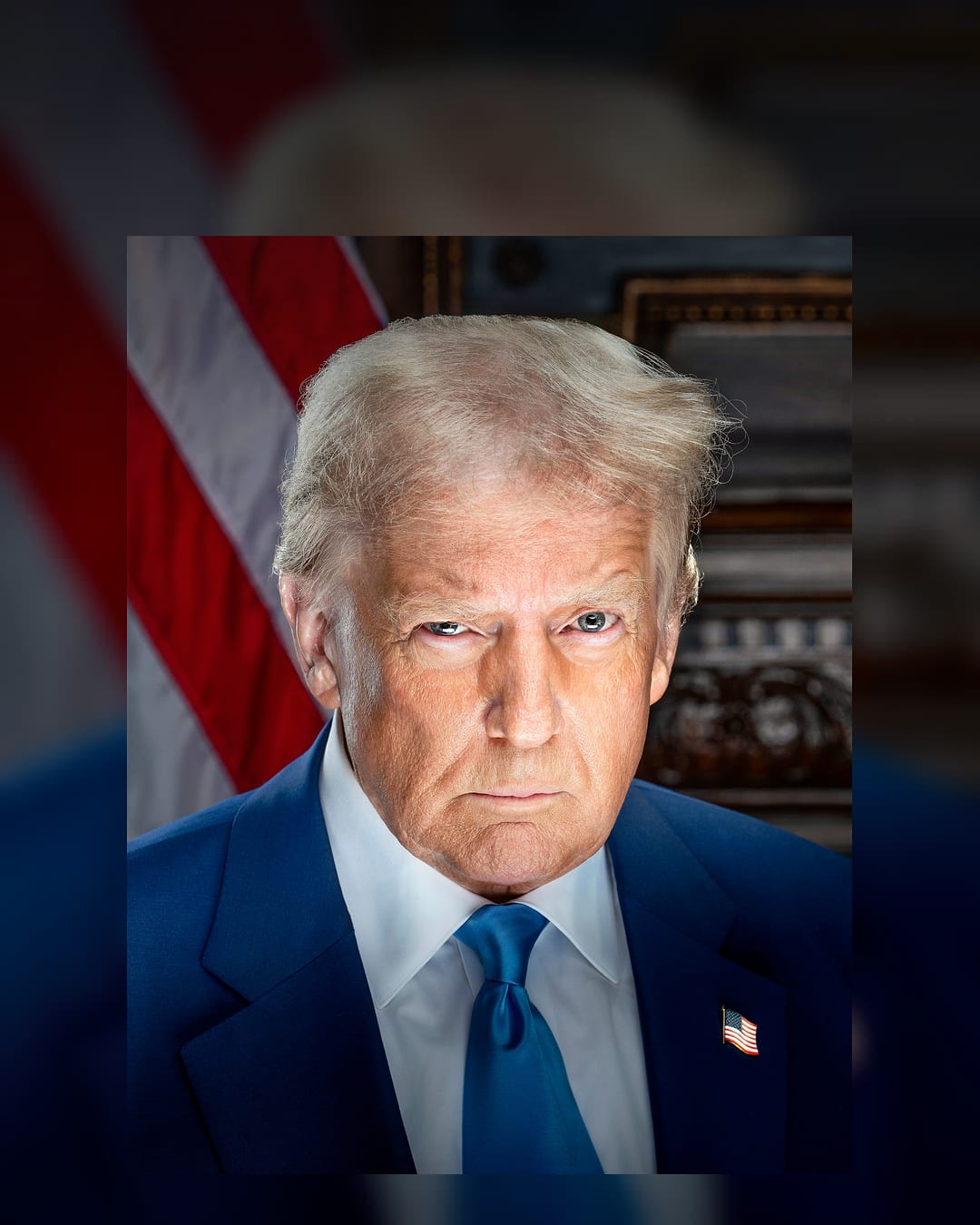 Image: Official 2025 presidential portrait of Donald J. Trump - Daniel Torok / Wikimedia Commons, public domain.
The legal problem
Federal law is blunt on portraits. 31 U.S.C. § 5114 says only the portrait of a deceased individual may appear on United States currency and securities. That means a paper note with Trump's portrait would require Congress to change or carve around the current rule.
That is why the earlier congressional proposal matters. H.R. 1761, introduced in February 2025 as the "Donald J. Trump $250 Bill Act," would require the Treasury secretary to print $250 Federal Reserve notes with Trump's portrait and separately amend the law to allow living or former presidents to appear on U.S. currency and securities.
Why 1866 keeps coming up
The "first living person since 1866" framing comes from the post-Civil War rule that followed controversy over living officials appearing on federal money. Since then, the legal line has been that currency portraits should be reserved for people who are already dead.
That is also the difference between Trump's planned signature and a portrait. Treasury announced in March that Trump's signature would appear on future U.S. paper currency with Bessent's. Currency experts have treated that as legally different from placing a living president's portrait on the face of a note.
What to watch next
The live question is whether the design push becomes a legislative push. Without a statutory change, a $250 Trump note faces a direct legal barrier. With a statutory change, the fight would move to timing, production costs, Federal Reserve logistics, cash-machine compatibility and political blowback.
For now, the accurate read is narrower than the viral version: the Treasury appointee push is real enough to be reported by the Post, and the congressional bill exists, but the $250 Trump bill has not been launched.
NoDechev rating: credible report, not implemented policy. WaPo reports internal prototype pressure; official law and Congress.gov show why the note cannot simply enter circulation under current rules.
Also Read
The $250 proposal fits a wider pattern of Trump-era symbolic currency moves around America's 250th anniversary.
Read the Trump tariff-refund claim check