

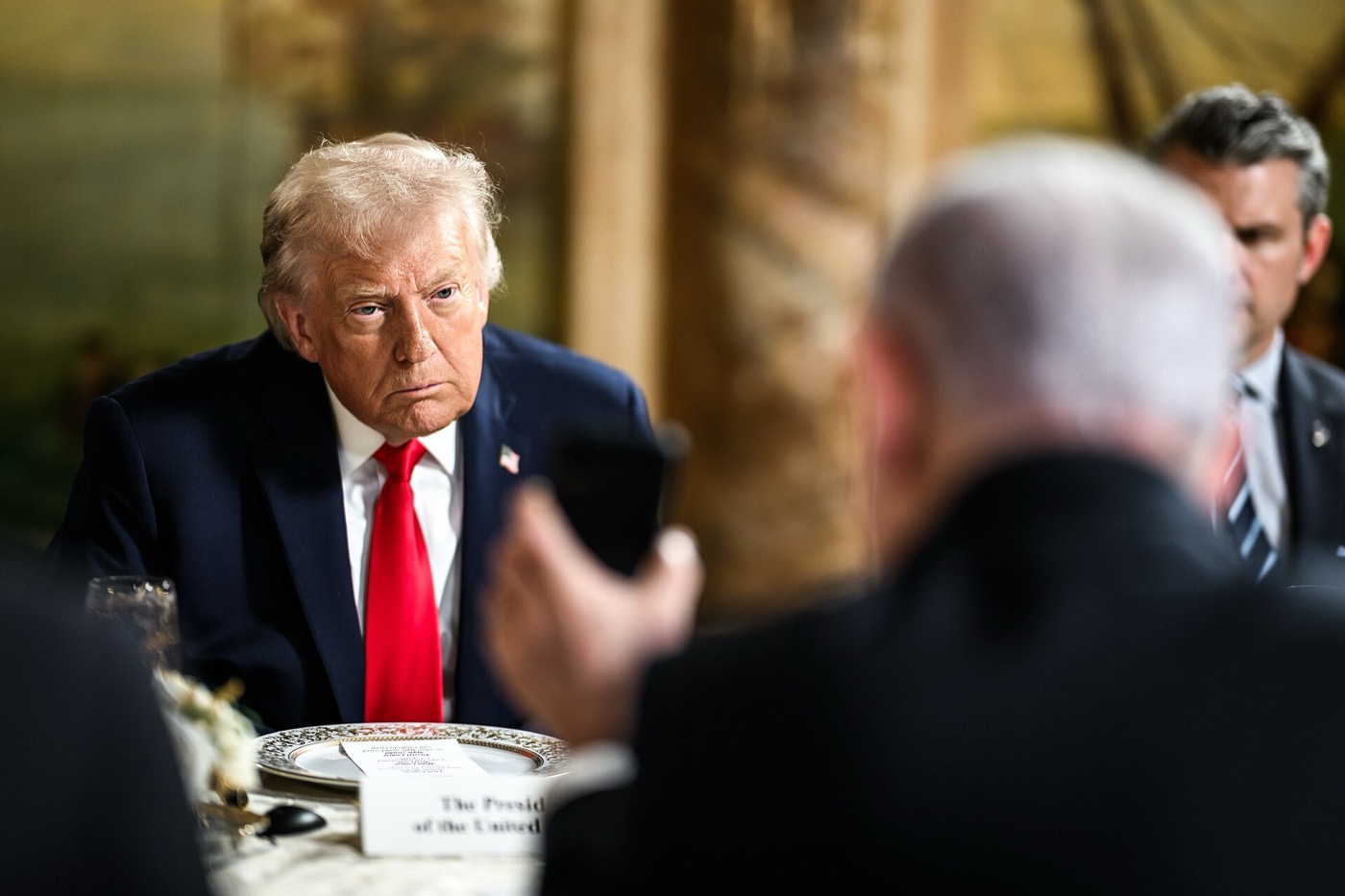
 Image: Donald Trump hosts Benjamin Netanyahu at Mar-a-Lago, Dec. 29, 2025 - White House / Wikimedia Commons, public domain.
- Axios reports that Trump lashed out at Netanyahu during a Monday call about Lebanon, citing two U.S. officials and a third person briefed on the call.
- The reported flashpoint was Israel's Lebanon escalation, including threats to strike Hezbollah targets in Beirut.
- The fair framing is: a serious reported rupture in tone, not an official transcript or confirmed direct public quote.
President Donald Trump reportedly tore into Israeli Prime Minister Benjamin Netanyahu during a Monday phone call over Lebanon, using unusually blunt language as U.S. diplomacy tried to keep a wider ceasefire track from collapsing.
Axios, citing two U.S. officials and a third source briefed on the call, reported that Trump called Netanyahu "crazy" and accused him of escalating Israel's Lebanon campaign in a way that could isolate Israel and undercut U.S. talks with Iran. One reported line was: "What the f--- are you doing?"
What happened
The call came after Netanyahu and Israeli Defense Minister Israel Katz threatened strikes on Hezbollah targets in Beirut's Dahieh district, saying Hezbollah had repeatedly violated the ceasefire. Axios reported that Trump pushed back hard and that Israel no longer planned to carry out the Beirut strikes after the call.
The timing matters. Earlier Monday, Axios also reported that Iran had threatened to abandon negotiations with the United States over Israel's actions in Lebanon. That put Lebanon directly inside the broader U.S.-Iran diplomacy problem, even as Israel argues Hezbollah attacks require a military response.
What the source says
The most viral version of the story is the profanity. But the stronger news point is the sourcing and the policy effect: Axios says Trump objected to the scale of Netanyahu's Lebanon escalation, warned that bombing Beirut would further isolate Israel, and put pressure on Israel to back away from that plan.
Axios also reported Netanyahu's side of the story: after the call, Netanyahu said he told Trump Israel would strike Beirut if Hezbollah did not stop attacking Israel, while Israel would continue operations in southern Lebanon. That means the dispute was not only emotional. It was about where Israel could act, how far it could go, and whether Lebanon would derail U.S. negotiations with Iran.
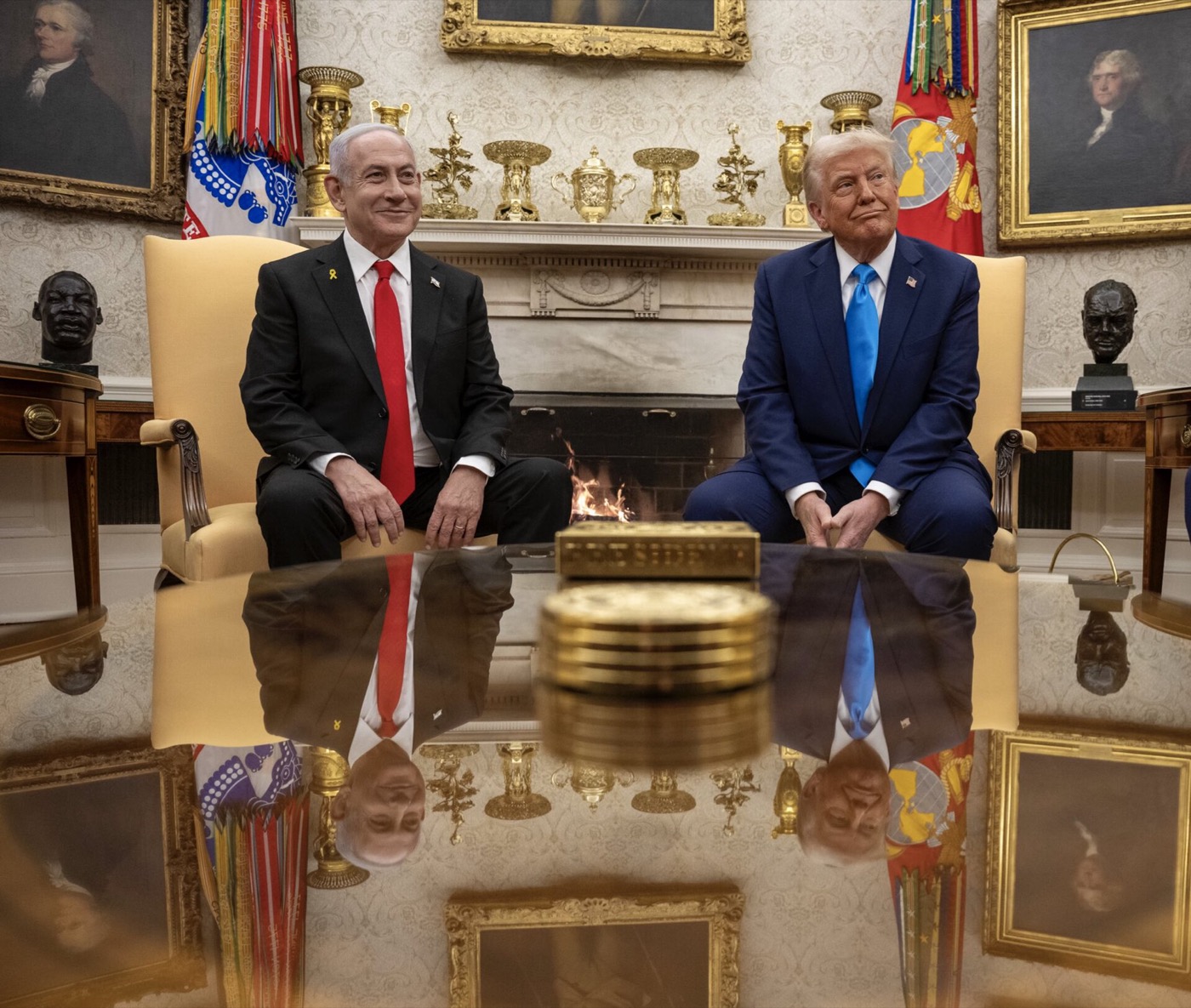 Image: Donald Trump and Benjamin Netanyahu at the White House, 2025 - White House / Wikimedia Commons, public domain.
What is confirmed
It is confirmed that Axios published the report on June 1, 2026, and attributed the account to officials and a person briefed on the call. It is also confirmed through Axios' related reporting that U.S. officials were trying to restrain Israeli action in Beirut while keeping Lebanon-related talks alive.
It is confirmed that Netanyahu publicly framed Israel's position as conditional: if Hezbollah continued attacking Israel, Beirut targets would remain on the table, while Israeli operations in southern Lebanon would continue.
What is not confirmed
There is no public audio, official transcript or on-the-record confirmation from Trump or Netanyahu of the exact profane lines. The direct quotes should therefore be treated as reported private-call quotes from Axios sources, not as publicly verified recordings.
There is also no final ceasefire breakthrough yet. Axios says Israeli and Lebanese diplomatic talks were still expected to continue, but the military and political positions remain unstable.
Why it matters
If the report is accurate, the call shows Trump trying to restrain Netanyahu not because Washington has abandoned Israel, but because Lebanon has become a pressure point in the Iran track. Israel's argument is self-defense against Hezbollah. Trump's reported concern is that the method and scale of escalation could wreck a broader deal.
That is why the story is bigger than one angry quote. It suggests a practical limit to Trump-Netanyahu alignment when Israeli military action threatens a U.S. diplomatic objective. It also gives Hezbollah, Iran and Lebanon a new signal to read: Washington may still back Israel broadly, but it may not want Beirut turned into the next escalation point.
What to watch next
The next signals are whether Israel actually avoids Beirut strikes, whether Hezbollah pauses attacks, whether Israeli-Lebanese talks proceed, and whether U.S.-Iran negotiations keep Lebanon inside the draft deal language.
The clean read: the quote is viral because it is crude. The substance is that Trump reportedly blocked or delayed a Beirut strike plan because Lebanon had become a threat to his Iran diplomacy.
NoDechev rating: reported, attribution required. Axios is the original source for the private-call account; the policy dispute is clear, while the exact words remain source-reported rather than publicly documented.
Also Read
The Lebanon story is also a verification problem: claims of ceasefire violations matter, but so does who is documenting them and what action follows.
Read the ceasefire verification explainer ->