

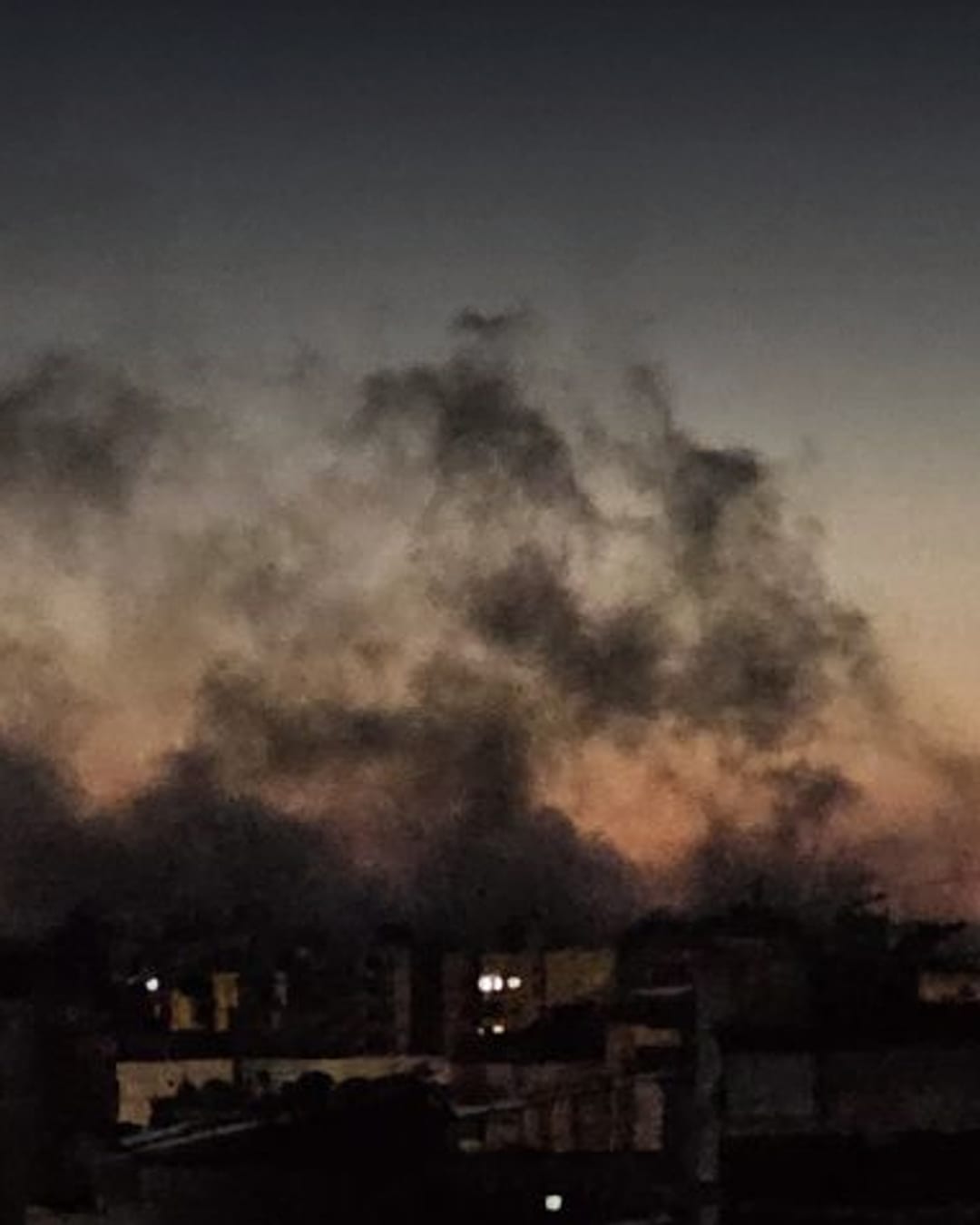
 Image: Smoke rises from the site of an Israeli airstrike in Haret Hreik, Beirut's southern suburbs, on May 6, 2026 - AFP via This Is Beirut.
- Netanyahu and Katz said they ordered a Beirut strike targeting a Hezbollah Radwan Force commander, according to Israeli and Lebanese reports.
- The strike hit Beirut's southern suburbs, with Haret Hreik/Ghobeiry cited in local reporting.
- The wider context is an unstable Israel-Hezbollah ceasefire, repeated Israeli strikes and U.S.-backed attempts to keep Lebanon talks alive.
Prime Minister Benjamin Netanyahu and Defense Minister Israel Katz ordered Israel's military to strike in Beirut's southern suburbs, according to Israeli and Lebanese reporting on the operation. The stated target was a commander in Hezbollah's elite Radwan Force.
The claim has moved quickly because it is easy to read as a broad order to bomb Beirut. The cleaner version is narrower: Israel said the strike was aimed at a specific Hezbollah commander in the southern suburbs, while Lebanese and international reporting treated it as another serious breach in an already fragile ceasefire environment.
What happened
L'Orient Today reported that Netanyahu said he and Katz instructed the military to immediately target a Radwan Force commander in Beirut in order to neutralize him. Local reports placed the strike in the Haret Hreik/Ghobeiry area of Beirut's southern suburbs, a district widely associated with Hezbollah's political and military presence.
This Is Beirut also reported a Netanyahu-Katz joint statement saying they instructed the military to strike Beirut's southern suburbs. The Israeli military later said it had killed a Radwan commander. Hezbollah had not immediately accepted Israel's framing in the same way public Israeli statements did.
What the source trail says
The strongest open-source trail has three layers. First, Netanyahu and Katz publicly claimed responsibility for authorizing the strike. Second, Lebanese outlets described the location and immediate impact in Beirut's southern suburbs. Third, AP later reported continued Israeli strikes around Beirut and southern Lebanon while Washington was trying to hold Lebanon-Israel talks together.
That means the order itself is sourced, but the full battlefield result remains partly claim-based. Israel says the target was a Hezbollah commander. Independent confirmation of who was killed, who else was harmed and what military role the target held can lag behind the strike.
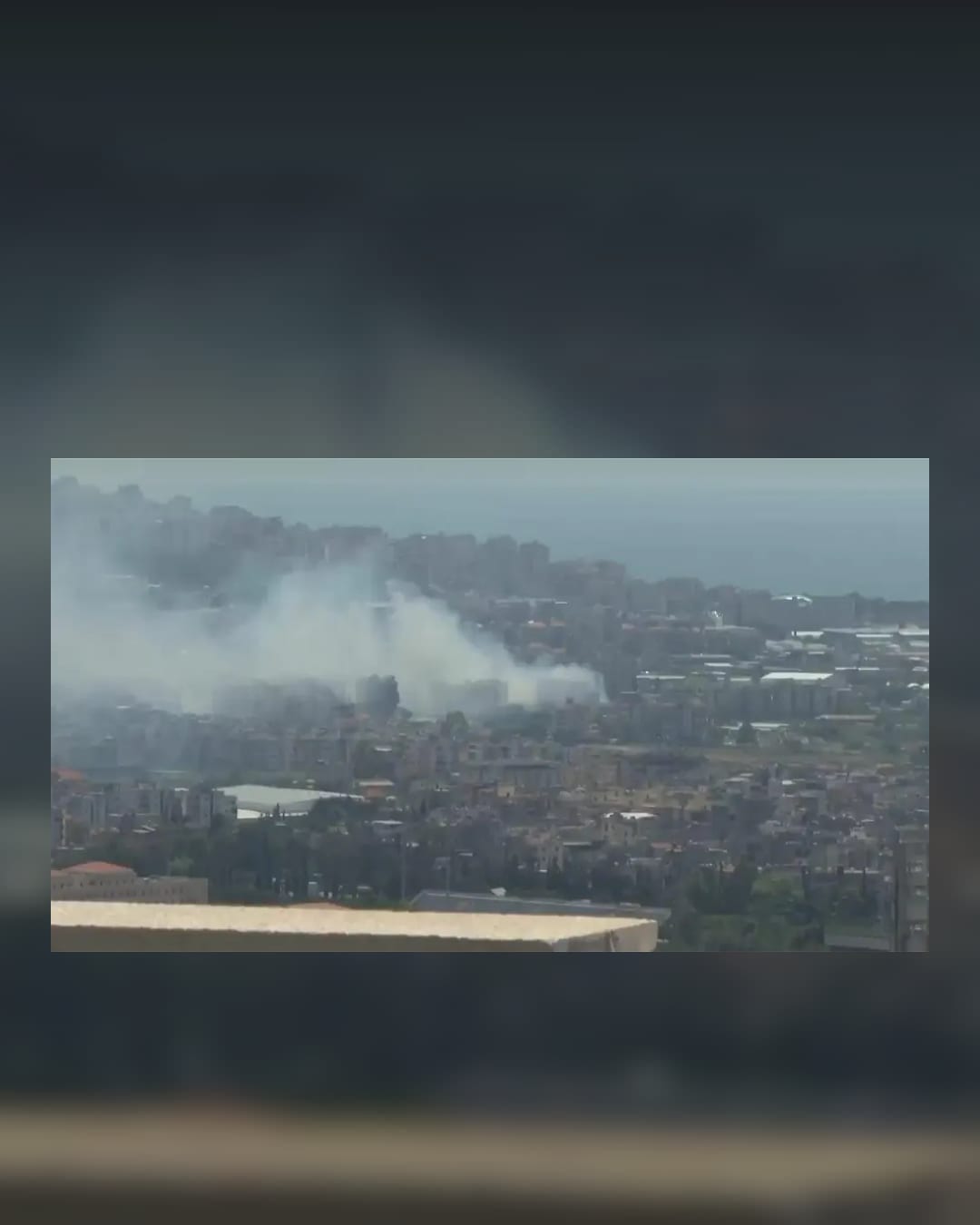 Image: People gather outside a destroyed apartment hit by an Israeli airstrike in Sidon, Lebanon, on May 28, 2026 - AP Photo/Mohammed Zaatari.
What is confirmed
Confirmed: Netanyahu and Katz were publicly linked to the strike order; the strike was reported in Beirut's southern suburbs; Israel described the target as a Hezbollah Radwan Force commander; and the incident took place against the backdrop of an unstable ceasefire with continued strikes and Hezbollah-Israel fighting.
Also confirmed: Beirut's southern suburbs have become a recurring flashpoint in the 2026 Lebanon conflict. AP reported another Israeli airstrike on a southern suburb of Beirut before Lebanon-Israel talks in Washington, underscoring that the capital-area strikes are not isolated from the diplomatic track.
What is not confirmed
Not confirmed from the public record reviewed here: a broad new order to level Beirut's southern suburbs, a formally ended ceasefire, or a complete independent casualty and target assessment for the specific strike.
The safest wording is therefore not "Israel ordered strikes on Beirut" in the broadest possible sense. It is: Netanyahu and Katz ordered a targeted strike in Beirut's southern suburbs, according to Israeli and Lebanese reports, and Israel says the target was a Radwan Force commander.
Why it matters
Radwan is central to Israel's threat perception because Israel views the unit as Hezbollah's elite cross-border force. That is why Israeli leaders frame Radwan commanders as direct threats to northern Israeli communities and IDF positions.
For Lebanon, the political problem is different. Strikes in Beirut's southern suburbs carry a larger symbolic and escalation cost than strikes in border areas. They pressure the ceasefire, embarrass Lebanese state authority and give Hezbollah a reason to argue that Israel is expanding the conflict despite diplomatic contacts.
What to watch next
The next useful signals are whether Israel publishes additional evidence about the target, whether Hezbollah confirms or denies the commander's death, whether Lebanon's government files a formal protest, and whether U.S.-backed talks continue after further strikes near Beirut.
The clean read: the strike order is reported and publicly attributed to Netanyahu and Katz, but the wider claim should stay precise. This is a targeted Beirut southern-suburbs strike in a widening Lebanon escalation, not yet public proof of a full new Beirut bombing campaign.
NoDechev rating: reported and source-backed, with result caveats. The Netanyahu-Katz authorization is reported by Israeli and Lebanese outlets; the target outcome and full casualty picture still need careful public-source confirmation.
Also Read
The Beirut strike sits inside the wider Lebanon operation and the weakening ceasefire track.
Read the Lebanon escalation brief ->