
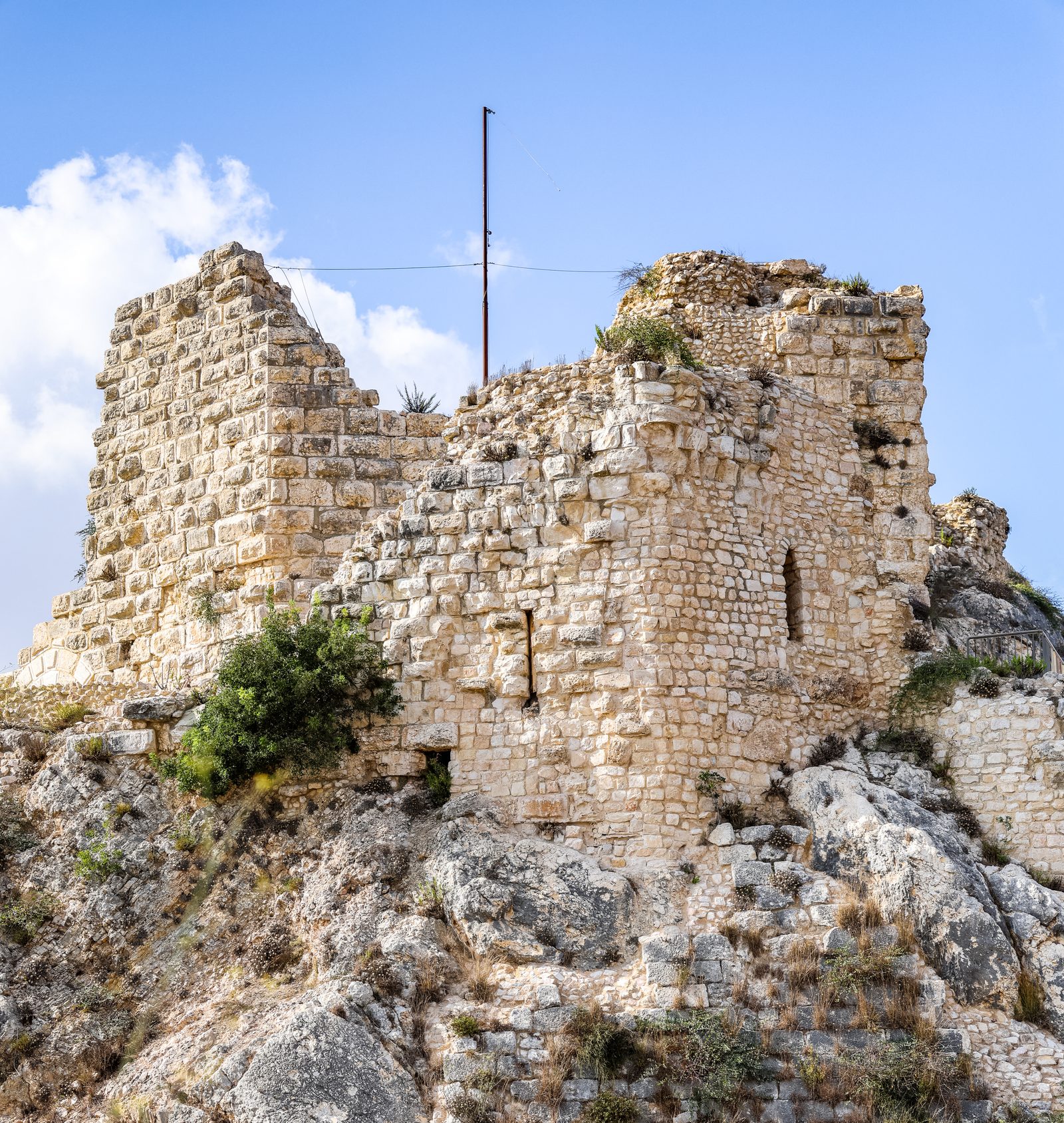
 Image: The ruins of Beaufort Castle in southern Lebanon - Kochaiche / Wikimedia Commons, CC BY-SA 4.0.
- AP reports Israeli troops captured Beaufort Castle in southern Lebanon, calling it Israel's deepest incursion into the country in 26 years.
- Netanyahu had already said Israel would deepen operations in Lebanon as Hezbollah rocket and drone attacks continued.
- The U.S.-backed ceasefire track is still active, but fighting on the ground is moving faster than diplomacy.
Prime Minister Benjamin Netanyahu has ordered Israel's military to expand its Lebanon operation even as U.S.-backed efforts try to prevent the Israel-Hezbollah war from swallowing the ceasefire track.
The latest signal came Sunday, when the Israeli military said it had captured Beaufort Castle, a strategic hilltop site in southern Lebanon. AP described the move as Israel's deepest incursion into Lebanon in more than a quarter-century.
What happened
AP reported that Israeli troops took control of the Crusader-built castle, also known locally as Qal'at al-Shaqif, as the army pushed deeper into southern Lebanon. The site overlooks broad parts of the south and sits near a corridor that has repeatedly mattered in Israel-Hezbollah fighting.
The capture follows several days of escalation. Earlier AP reporting said Netanyahu announced that Israel would expand operations in Lebanon after clashes with Hezbollah along a strategic river and after a surge in drone and rocket attacks. Israel has also issued evacuation warnings across parts of southern Lebanon as it says it is targeting Hezbollah infrastructure.
What the data says
The operational line has shifted from limited strikes toward a broader ground-and-air campaign. AP said Israel has captured dozens of villages and towns close to the border since the latest Israel-Hezbollah war began in March, after Hezbollah fired rockets into northern Israel following U.S.-Israeli strikes on Iran.
Israel's public case is that Hezbollah has continued attacks despite the ceasefire framework. Israel's embassy in Washington said Hezbollah had launched rockets, surface-to-air missiles and more than 1,400 drones or UAVs since the April 17 ceasefire began. Those figures are Israel's account, not independent battlefield verification, but they explain the Israeli justification for widening the campaign.
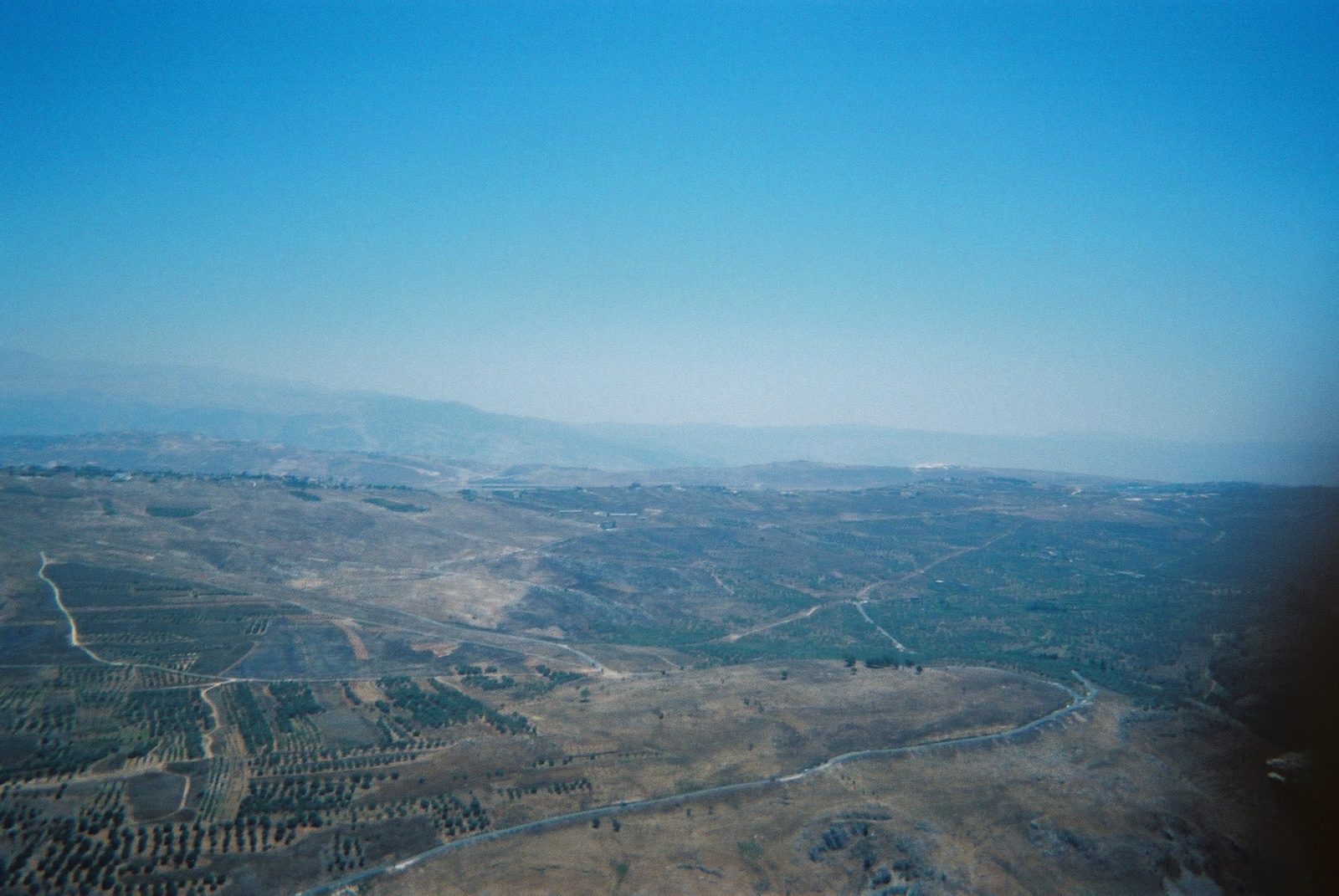 Image: View from Beaufort Castle in southern Lebanon - Wikimedia Commons, CC BY-SA 3.0.
What is confirmed
It is confirmed that Netanyahu publicly backed a wider Lebanon operation and that Israeli forces have moved beyond earlier ceasefire lines. AP, Le Monde and Washington Post reporting all describe Israel expanding ground operations while the U.S.-brokered ceasefire is under pressure.
It is also confirmed that Lebanon diplomacy is still being attempted. Washington has pushed direct contacts and ceasefire channels, while Israeli and Lebanese delegations have held talks under U.S. pressure. The problem is that the military tempo is outpacing the diplomatic track.
What is not confirmed
There is no clean public confirmation that the ceasefire framework has formally ended. The better reading is that the ceasefire is being hollowed out by violations, ground movements, evacuation warnings and Hezbollah attacks rather than replaced by a signed new war framework.
There is also no independent public battlefield map that fully verifies every Israeli or Hezbollah claim in real time. That matters because both sides are using security language to frame their actions: Israel points to Hezbollah attacks and border-town protection; Hezbollah frames Israeli movement as occupation and escalation.
Why it matters
Lebanon is the second major front now complicating U.S. diplomacy after Gaza and Iran. Tehran has repeatedly wanted broader de-escalation to include Lebanon, while Israel argues it cannot accept Hezbollah drones, rockets and anti-tank fire near northern communities.
If Israel holds new terrain or expands its security zone, the political question changes. It becomes less about a temporary response to attacks and more about whether Israel is creating a deeper buffer inside Lebanon. That would make any U.S.-backed ceasefire harder to sell in Beirut and easier for Hezbollah to use as a mobilizing argument.
What to watch next
The next signals are whether Israel holds Beaufort Castle or treats it as a temporary tactical gain, whether more evacuation orders are issued, and whether Washington can keep Israeli-Lebanese talks alive while ground operations expand.
The clean read: Netanyahu is not pausing Lebanon for U.S. diplomacy. Israel is expanding the scope of the operation while saying Hezbollah attacks make that necessary. The ceasefire still exists as a diplomatic reference point, but on the ground it is becoming thinner by the day.
NoDechev rating: confirmed escalation, unstable diplomacy. Major outlets report the widened operation and Beaufort Castle capture; the formal ceasefire status remains politically contested.
Also Read
The Lebanon escalation is also a ceasefire-verification story: both sides claim necessity, but the evidence trail matters.
Read the ceasefire verification explainer ->