
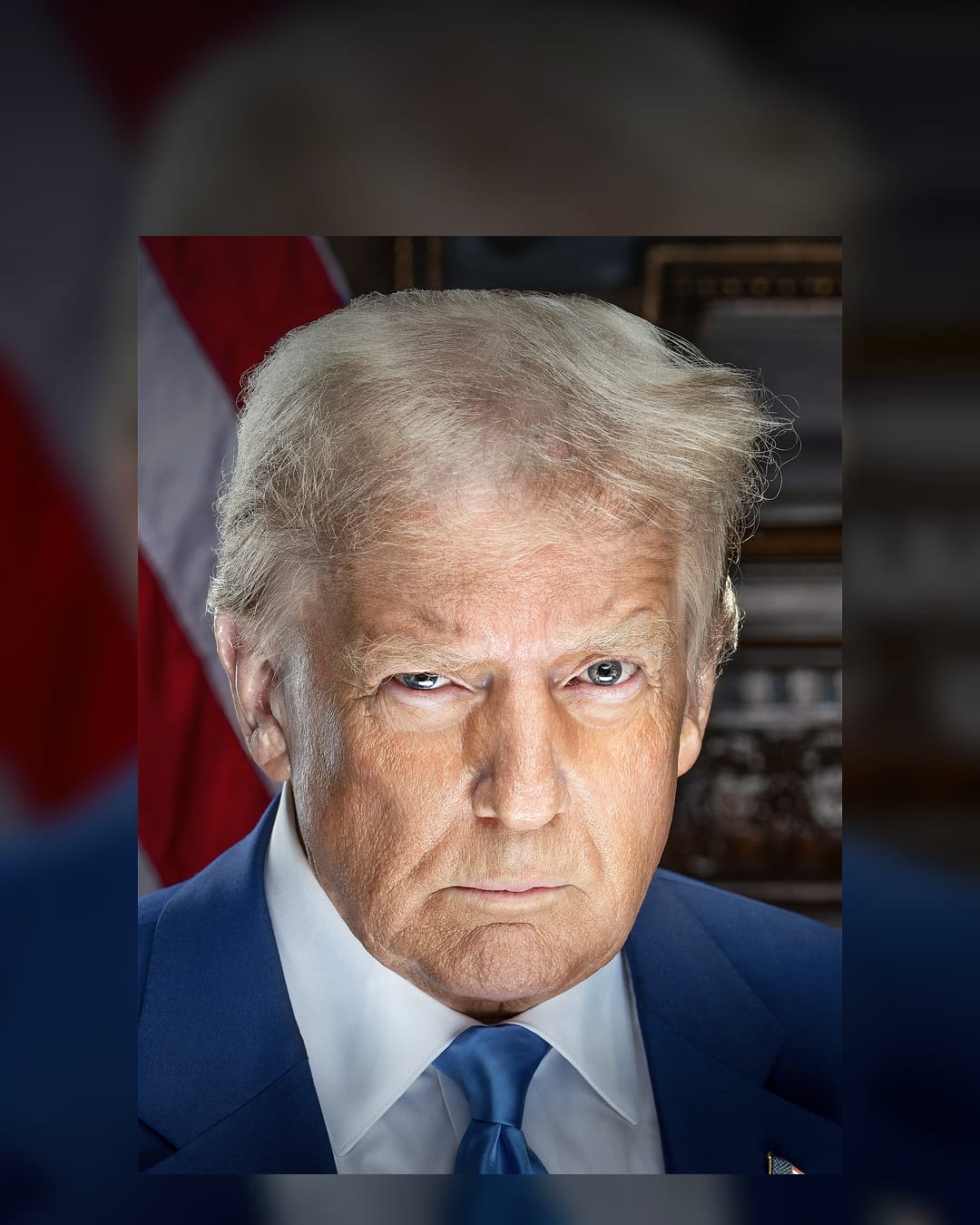
 Image: President Donald Trump at the 2025 inauguration — Wikimedia Commons / public domain.
- Axios reports Trump asked for amendments to the Iran MOU his envoys had negotiated, especially around nuclear material.
- Anadolu, citing The New York Times, reports Trump sent Tehran a revised framework with tougher terms and no exact public text.
- The clean status: negotiations are still active, but this is not a signed peace framework and Iran has not publicly accepted the full U.S. account.
President Donald Trump has reportedly toughened the terms of a proposed framework meant to end the Iran war and open a 60-day negotiation window, according to new reporting from Axios and a New York Times account summarized by Anadolu.
The important caveat is simple: no final agreement has been announced. The story is about a revised U.S. position after negotiators had appeared close to a memorandum of understanding, not about a completed peace deal.
What happened
Axios reported on May 31 that Trump asked for several amendments to the deal his envoys had negotiated with Iranian counterparts during a Friday Situation Room meeting. Axios, citing a senior administration official and another source briefed on the issue, said the requested edits focus on clauses involving Iran's nuclear program.
Anadolu reported separately, citing The New York Times, that Trump sent Iran a revised version of the proposed peace framework containing tougher terms. That report said the exact changes were not specified publicly, but officials described concerns around language that could involve the unfreezing of Iranian assets.
Put together, the reports point in the same direction: Trump appears willing to keep pursuing a deal, but wants the text tightened before signing off.
What the data says
This follows a fast-moving week of conflicting signals. On May 28, Axios reported that U.S. and Iranian negotiators had reached agreement on a 60-day MOU to extend the ceasefire and launch nuclear talks, but that Trump had not given final approval and Iran had not confirmed its acceptance.
Axios then reported on May 29 that Trump convened his national security team in the Situation Room to decide on the MOU. The draft involved a 60-day ceasefire extension and reopening the Strait of Hormuz, while Trump stressed no Iranian nuclear weapon and unrestricted shipping.
Reuters, in a May 24 report carried by Investing.com, described the same broad shape: Trump said there was no rush, the U.S. blockade would remain until an agreement was reached, certified and signed, and officials said the framework could give negotiators 60 days to reach a final deal.
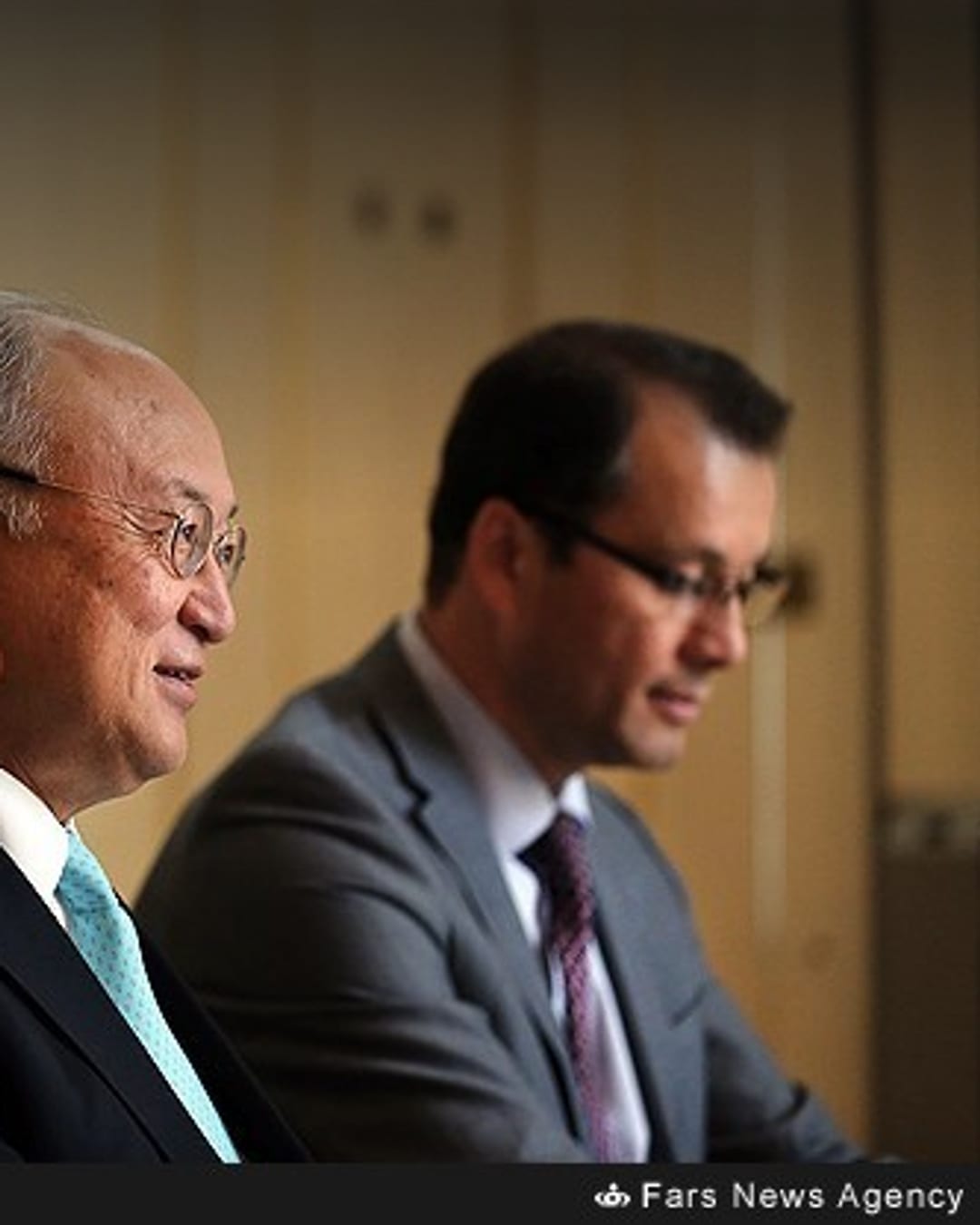 Image: Iran nuclear talks in Vienna — Wikimedia Commons, used as diplomatic context.
What is confirmed
Multiple reputable outlets are reporting a live negotiation track around a 60-day MOU, Hormuz shipping, nuclear talks, sanctions relief and frozen Iranian funds. Trump has also publicly framed any deal around no Iranian nuclear weapon, open Hormuz shipping and pressure until an agreement is signed.
What is not confirmed is Tehran accepting the revised terms, or the exact edits Trump sent back. The text has not been published.
What is not confirmed
The phrase "tougher terms" should not be read as a public ultimatum with a known list of demands. Based on available reporting, it describes changes officials say Trump wanted in a draft text.
There is also no public evidence yet of a signed U.S.-Iran peace framework, a final nuclear settlement or a completed frozen-funds mechanism. Iranian-linked reporting has disputed parts of the U.S. description, including how Hormuz reopening and money releases would work.
Why it matters
The revision could delay a framework that U.S. officials had presented as close. If the amendments are modest, they may be a last round before signature. If Tehran views them as material changes, the deal could slide into another round of back-and-forth.
The hard issues remain Iran's highly enriched uranium, enrichment limits, sanctions relief, frozen funds, the naval blockade, Hormuz traffic and the wider regional conflict involving Israel and Hezbollah. A 60-day MOU would create a negotiating room for those issues; it would not solve them by itself.
What to watch next
The next useful signal is whether either side publicly acknowledges the same revised text. Watch for a White House statement, Iranian confirmation or denial, and any mediator readout from Pakistan or other regional intermediaries.
For now, the clean read is this: Trump reportedly wants tougher language before approving the Iran framework. The diplomatic track is alive, but the deal remains conditional, unpublished and politically fragile.
NoDechev rating: credible reporting, conditional status. The revision is reported by Axios and NYT-linked coverage; the exact text and Iran's acceptance are not public.
Also Read
The reported edits sit on top of a 60-day MOU track that was already conditional on Trump and public confirmation from Tehran.
Read the earlier MOU status brief