

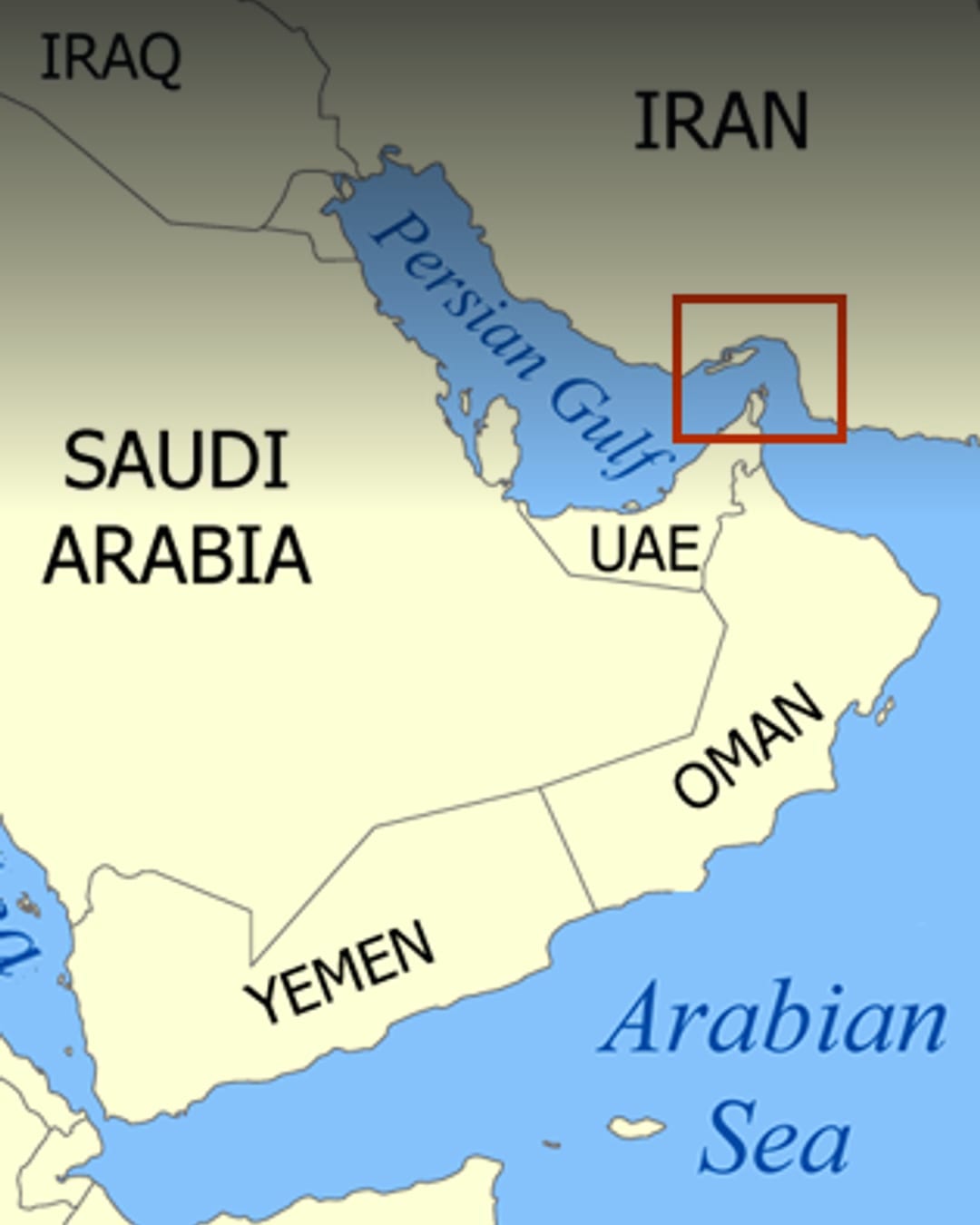
 Image: Map of the Strait of Hormuz - Wikimedia Commons.
- Report.az says NATO Military Committee chair Giuseppe Cavo Dragone said several NATO countries are moving forces closer to Hormuz.
- The movement fits a wider European and allied push to prepare maritime-security options if shipping needs protection.
- The key caveat: NATO has not publicly confirmed a formal alliance mission in the strait, and any NATO operation would need political approval.
Several NATO countries are moving forces closer to the Strait of Hormuz and could join shipping-protection efforts if needed, Report.az reported May 31, citing NATO Military Committee chair Admiral Giuseppe Cavo Dragone.
The report lands in a sensitive gap between military positioning and formal alliance action. Allied assets are clearly being discussed, pledged or moved in the wider region. But that does not yet mean NATO as an alliance has launched an official Hormuz operation.
What happened
Report.az quoted Dragone as saying that several NATO countries are moving forces toward the strait and could participate in protecting shipping. The reported comments follow weeks of pressure over whether NATO members should help secure maritime traffic as the Iran conflict and Hormuz disruptions continue.
The phrase "NATO countries" matters. It can describe individual members acting nationally, or coalitions led by European allies, without implying a formal NATO command mission. That distinction is the cleanest way to read the latest headline.
What the data says
USNI News reported earlier in May that the United Kingdom pledged a force package for a Hormuz mission, including destroyer HMS Dragon, Typhoon aircraft, autonomous mine-hunting systems and unmanned surface vessels, with the effort tied to a sustainable ceasefire context.
The same report said France and the U.K. were leading an independent, strictly defensive multinational mission to protect merchant vessels, reassure shipping operators and conduct mine-clearance operations. AP separately reported that the EU's foreign policy chief said securing freedom of navigation through Hormuz after the Iran war ends would require more ships, including more European vessels, and expansion of an existing EU naval mission.
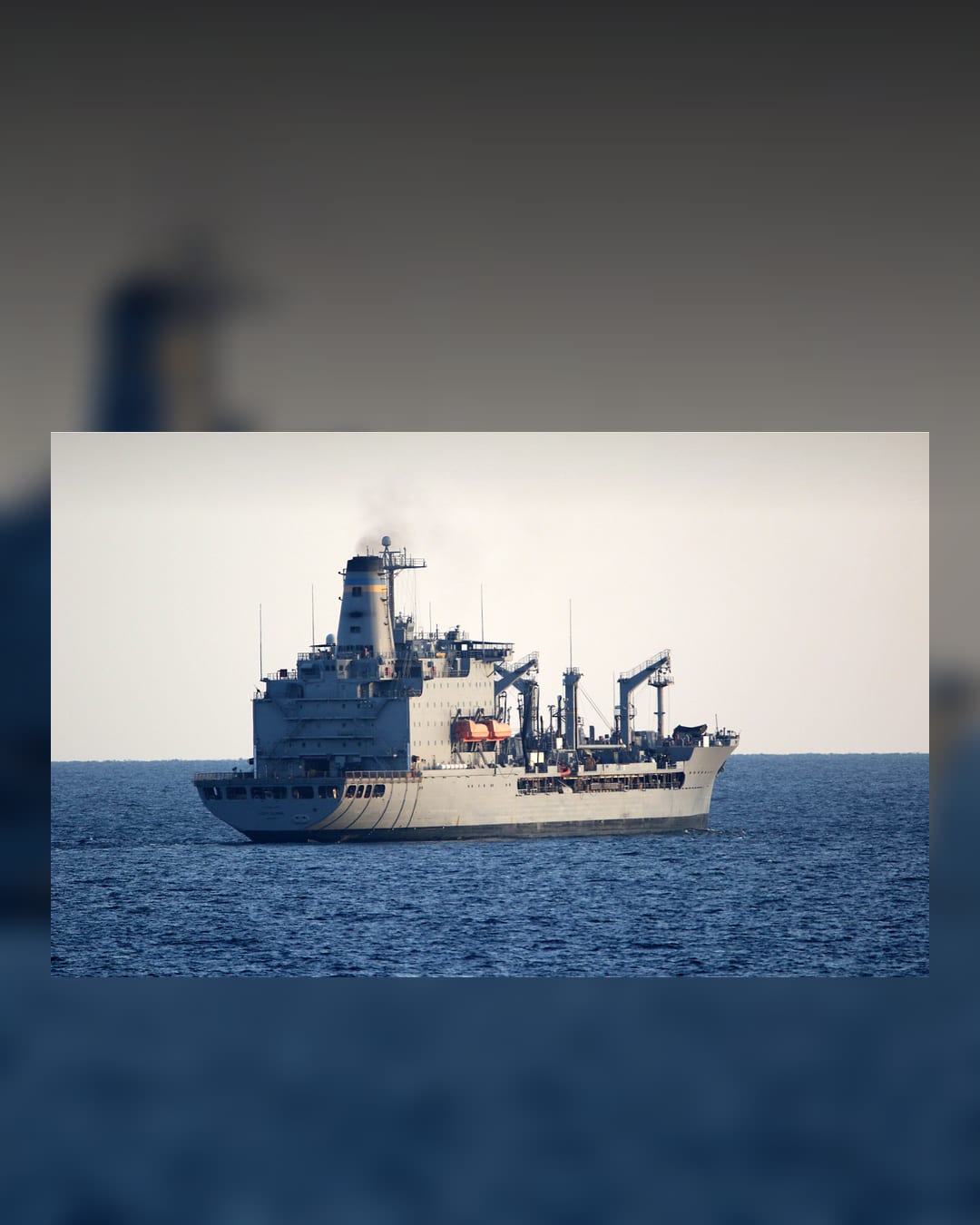 Image: USNS Leroy Grumman transits the Strait of Hormuz - U.S. Navy / Wikimedia Commons, public domain.
What is confirmed
It is confirmed that NATO member states and European partners have been weighing or preparing maritime-security contributions around Hormuz. The U.K., France, Belgium, Australia and the Netherlands have all appeared in reporting about possible or pledged support, ranging from mine countermeasures to air-surveillance and naval assets.
It is also confirmed that Hormuz remains a core chokepoint. The strait is the narrow passage linking the Persian Gulf to the Gulf of Oman, and disruptions there affect oil, LNG, insurance, shipping schedules and military risk calculations far beyond the Gulf.
What is not confirmed
There is no public confirmation that NATO has approved a formal alliance mission in the Strait of Hormuz. Reuters reporting from May 19 said NATO was not drawing up plans for a Hormuz mission at that point, according to its top commander, and that any such role would require a political decision.
That means the current story should not be read as "NATO is deploying as NATO." The confirmed version is narrower: several NATO countries are moving or preparing forces closer to the region while alliance-level command and mandate questions remain unresolved.
Why it matters
The movement of allied assets changes the risk picture even before a formal operation exists. Ships, aircraft and mine-clearance systems near the Gulf can reassure commercial operators, but they can also increase the number of military actors operating near Iranian forces and U.S. units.
For Washington, allied support would spread the burden of securing a trade route that many economies depend on. For European governments, the challenge is avoiding the appearance of joining a U.S.-Iran war while still protecting energy flows and merchant shipping.
What to watch next
The next real signals are official defense-ministry deployments, named ships entering the region, a NATO North Atlantic Council decision, or a clearly defined EU/French-British mission with rules of engagement.
The clean read: forces from NATO countries are moving closer to Hormuz, but the public record still points to national or coalition preparations rather than a confirmed NATO operation. That difference matters because it separates military positioning from alliance-wide escalation.
NoDechev rating: credible movement, not a formal NATO mission. The allied posture is hardening around Hormuz, but NATO command approval remains unconfirmed.
Also Read
Hormuz headlines move fast because military posture, shipping insurance and diplomacy all overlap in the same narrow waterway.
Read the Strait of Hormuz explainer ->