

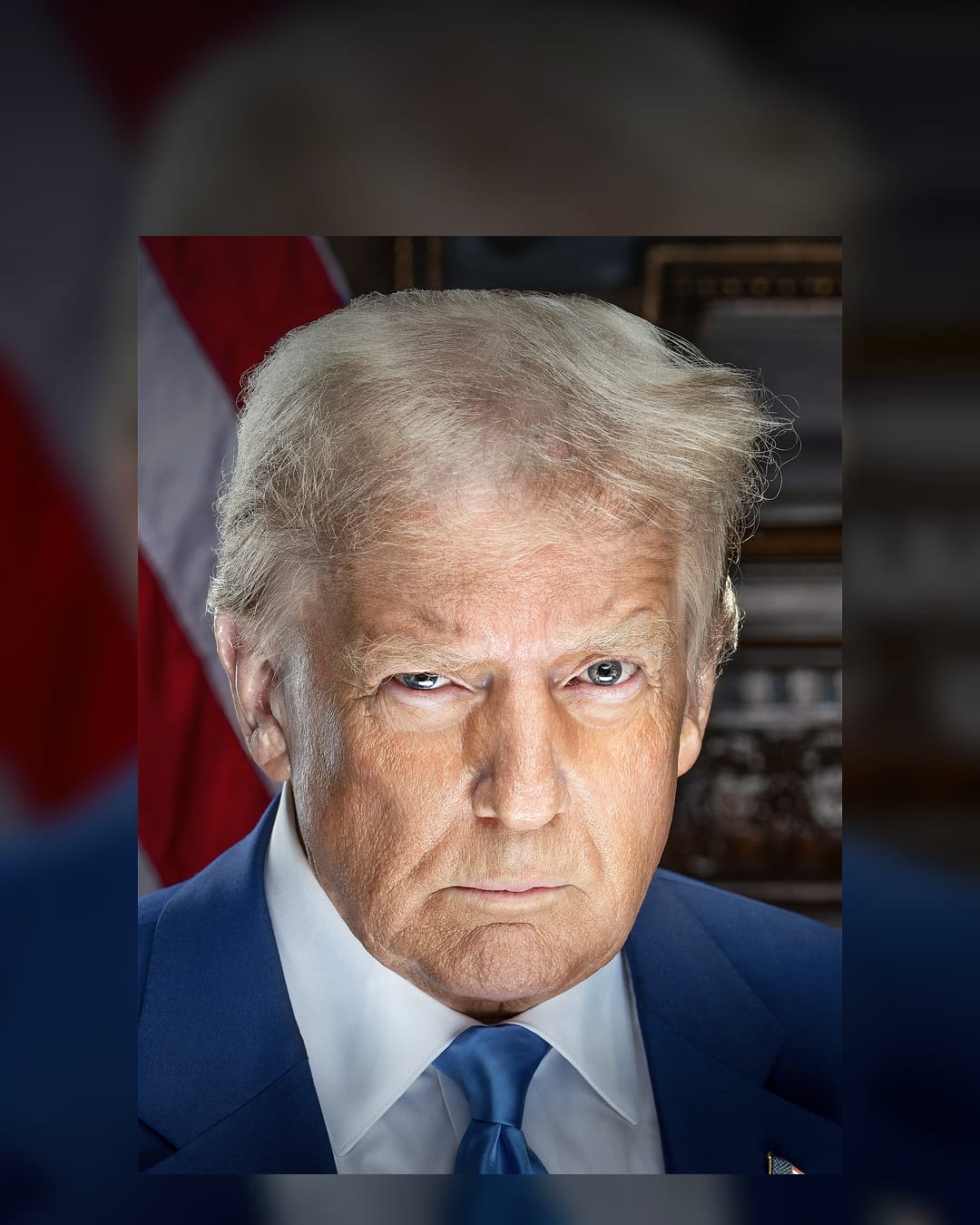
 Image: Wikimedia Commons. Donald Trump at the 2025 inauguration, used as U.S. policy context.
- Mohsen Rezaei accused Trump of "betraying diplomacy for the third time" in comments carried by Iranian and regional outlets.
- His argument centers on continued maritime pressure around Iranian ports and U.S. demands he describes as excessive.
- The claim should be read as Tehran-side political messaging unless corroborated by public U.S. documents or matching statements.
Mohsen Rezaei, a former commander of Iran's Islamic Revolutionary Guard Corps and now an adviser to Supreme Leader Ayatollah Ali Khamenei, has accused President Donald Trump of betraying diplomacy "for the third time."
The accusation was reported by Iran's PressTV and picked up by outlets including Dawn, Anadolu and Moneycontrol as claims about negotiations and maritime access move faster than signed documents.
What happened
Rezaei's statement frames Trump as using talks while keeping pressure on Iran. According to the reports, he pointed to a continuing U.S. naval or maritime blockade affecting Iranian ports and to negotiation demands that Tehran views as unreasonable.
That is the core verified fact: a senior Iranian political figure made the accusation, and multiple outlets reported it. What is not verified from those reports alone is the larger conclusion that the United States is intentionally sabotaging diplomacy. That remains Rezaei's interpretation.
The distinction matters because a claim can be politically significant without being independently proven.
 Image: Wikimedia Commons. Iran Ministry of Foreign Affairs building in Tehran, used as diplomacy context.
Source trail
PressTV presented the comments as a direct Iranian political rebuke, describing Rezaei as a former IRGC chief and adviser to the Leader. Dawn and Moneycontrol carried similar summaries of the accusation. Anadolu separately reported that a blockade of Iranian ports was still in place despite Trump's public announcement language, which helps explain the point Rezaei is pressing.
This is a source-context story, not a settled finding. The strongest sourcing is for what Rezaei said and how Iranian-aligned reporting is framing it. The weakest part is the implied motive: why U.S. maritime restrictions remain in place and whether they prove bad faith.
Confirmed
It is confirmed from the cited reporting that Rezaei accused Trump of betraying diplomacy again and linked that charge to pressure tactics around talks. It is also reported that the dispute includes maritime restrictions affecting Iranian ports, plus Iranian objections to U.S. demands in negotiations.
It is further confirmed that Rezaei is not an outside commentator. As a former IRGC commander and a current adviser to Khamenei, his statement is part of Iran's political-security messaging around the talks. For background on why that role matters, see NoDechev's explainer on what the IRGC is.
Not confirmed
The public reporting does not confirm that Trump or U.S. officials deliberately entered talks with no intention of reaching a deal. It also does not provide a public text showing the precise U.S. negotiating demands or a full operational map of the maritime restrictions.
That means the fair headline is narrower than the viral framing: an adviser to Iran's Supreme Leader is accusing Trump of another diplomatic betrayal. The accusation is newsworthy, but it is not the same thing as independent proof.
Why it matters
The statement lands inside a wider argument over whether the U.S.-Iran track is moving toward de-escalation or simply producing temporary headlines. Maritime pressure is especially sensitive because Iranian port access, Gulf shipping and the Strait of Hormuz all sit at the edge of diplomacy, energy markets and military signaling.
Recent Iranian-linked reporting has already emphasized that ships crossing Hormuz may still be doing so under Tehran's permission, not as a return to normal free passage. NoDechev covered that claim in the brief on 20 ships crossing with IRGC permission.
What to watch next
The next useful signals are concrete moves: a public U.S. response to Rezaei, visible changes to port restrictions, matching statements, or a released negotiation text.
Until then, the cautious read is that Rezaei's charge shows Iranian anger over the pressure side of U.S. policy. It does not, by itself, prove that diplomacy has collapsed or that Washington's intent is settled.
NoDechev rating: confirmed accusation, unproven motive. Rezaei's statement is sourced; the broader claim that Trump is deliberately betraying diplomacy remains an Iranian political interpretation.
Also Read
More source context on Iranian claims about controlled shipping through Hormuz.
Read: Iran's IRGC Says 20 Ships Crossed Hormuz With Tehran's Permission