

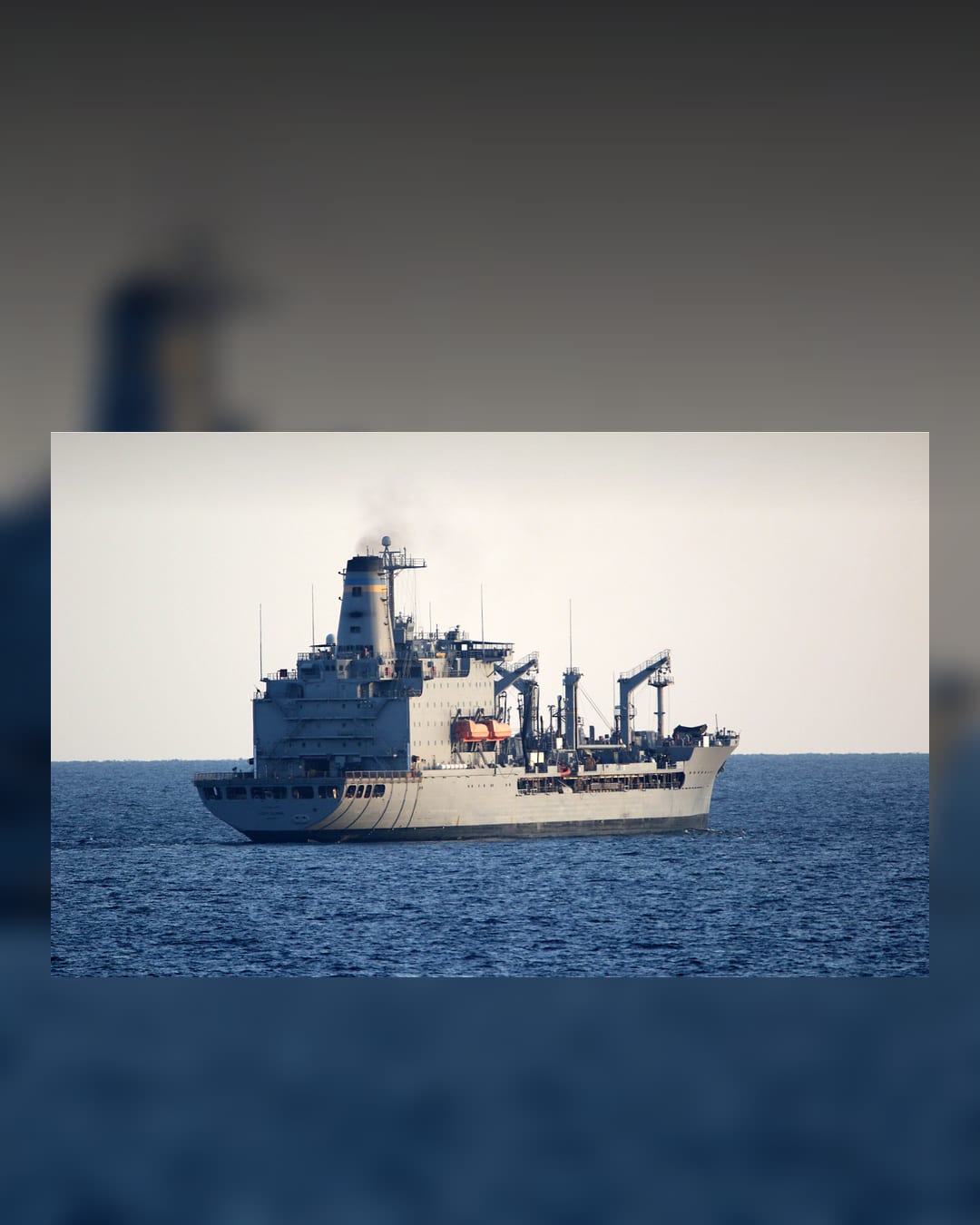
 Image: USNS Leroy Grumman transits the Strait of Hormuz — U.S. Navy / Wikimedia Commons, public domain
- Iran-linked reporting says the IRGC Navy cleared 20 ships through the Strait of Hormuz in the past 24 hours.
- The claim fits a recent pattern of daily IRGC transit announcements, with reported counts changing from day to day.
- Independent freight and shipping commentary has remained more cautious about how much normal traffic has actually returned.
What happened
Iran’s Islamic Revolutionary Guard Corps is again presenting itself as the gatekeeper for commercial movement through the Strait of Hormuz. The latest claim, circulated Saturday and attributed to Fars News by RT and other accounts, says 20 ships passed through the waterway in the past 24 hours with IRGC Navy permission.
The wording matters. The report is not simply saying ships moved through an open international chokepoint. It says ships crossed after permission and coordination with Iranian forces. That is the central political signal: Tehran wants the world to see Hormuz traffic as managed through Iran’s security channel.
What the source trail says
The exact 20-ship figure appears in Iranian-linked reporting and social media distribution, not in independent vessel-tracking data. Xinhua reported a similar IRGC statement one day earlier, saying 24 ships had crossed within 24 hours after obtaining permission and under IRGC naval protection. Iran International also covered that previous 24-ship claim as coming from Sepah News, the IRGC’s official outlet.
Earlier this week and last week, Iranian state and semi-official outlets carried related counts of 25, 26, 32 and 33 vessels. That pattern suggests the daily number is part of an ongoing IRGC messaging campaign about controlled passage, not a one-off independent audit of total maritime traffic.
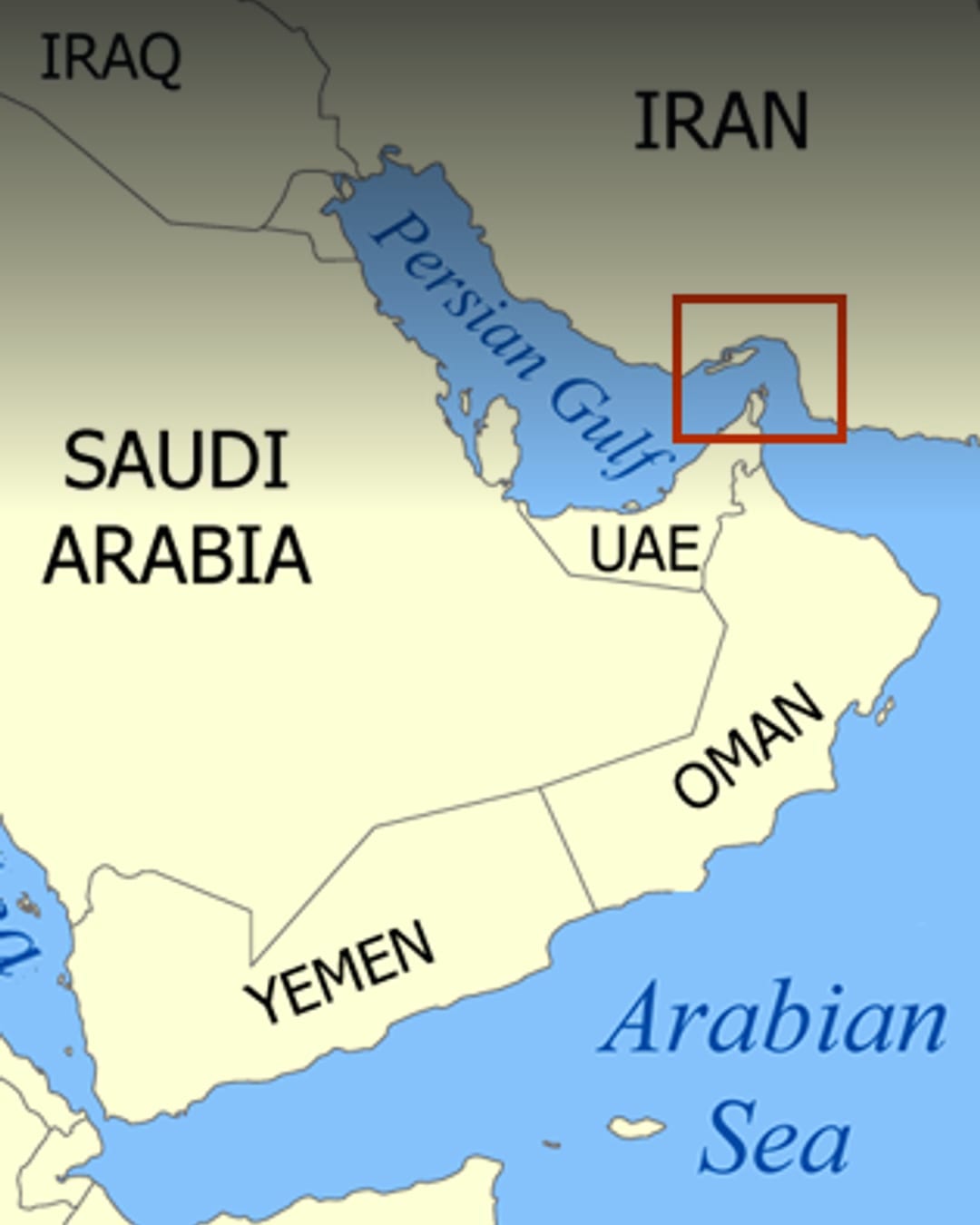 Image: map of the Strait of Hormuz, showing the narrow waterway between Iran and Oman.
What is confirmed
It is confirmed that Iranian-linked outlets and accounts are circulating the 20-ship claim. It is also confirmed that IRGC statements over recent days have described ship transits as requiring permission and coordination with its Navy. The broader context is clear: Hormuz remains central to the U.S.-Iran confrontation because it is a key exit route for Gulf energy exports.
What is not confirmed from the public record is whether the 20-ship figure captures all actual transits, only vessels that accepted Iranian coordination, or a subset Iran wants to highlight. Without independent tracking matched to ship names, routes and timestamps, the number should not be treated as a neutral count.
Why it matters
A falling or rising daily transit number can move market psychology, but the policy signal is just as important. If ships are moving only through a permission-based system, the strait is not functioning like a normal open shipping lane. It may be physically passable while still carrying major insurance, legal and military risk.
That distinction is why some shipping commentary has sounded more cautious than Iranian statements. ICIS, citing freight forwarder Flexport, reported this week that shipping through Hormuz remained severely disrupted and that only a small number of large commercial vessels were assessed as passing in one recent window, with AIS transponders off. That does not directly disprove the IRGC’s latest number, but it shows why the public count needs careful handling.
What to watch next
The useful signals now are not just the daily IRGC headline count. Watch whether independent maritime trackers, insurers, shipowners, energy traders and official naval authorities describe traffic as normalizing. Also watch whether Iran keeps framing passage as permission-based. If that language remains, Hormuz may be open in a limited sense while still operating under political and military pressure.
NoDechev rating: reported claim, not independently verified count. The 20-ship figure is sourced to Iran’s IRGC information chain. The stronger verified fact is that Tehran is continuing to frame Hormuz passage as dependent on Iranian permission and coordination.
Also Read
Background on why Hormuz transit claims move oil, shipping and military-risk headlines so quickly.
Read the Hormuz explainer →