

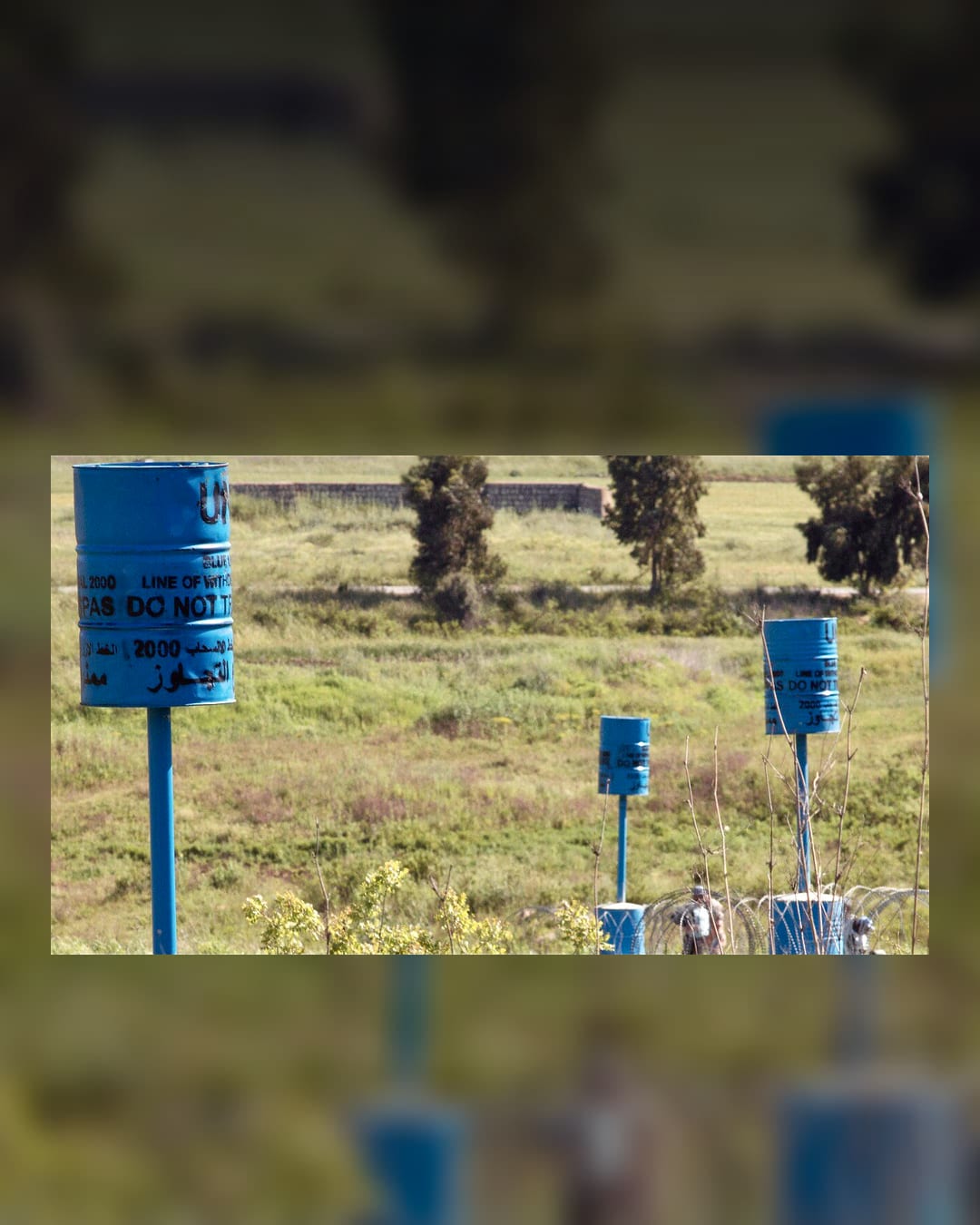
 Image: UNIFIL blue barrels marking the Blue Line between Israel and Lebanon - public domain / Wikimedia Commons.
- Israel and Lebanon agreed to implement a ceasefire after two days of U.S.-led talks in Washington.
- The ceasefire is conditional on Hezbollah halting fire and removing operatives from the South Litani area.
- Hezbollah was not at the negotiating table, so the deal is real but not yet proven on the ground.
- The next major marker is another Washington round during the week of June 22.
The fresh headline is real, but it needs one major caveat. Israel and Lebanon have agreed to implement a ceasefire in the latest U.S.-mediated push, but the agreement is built around conditions that Hezbollah must actually follow.
That means this is not a clean "regional peace deal" yet. It is a ceasefire framework that could open the door to a broader Israel-Lebanon security agreement if the armed actors on the ground stop firing and the Lebanese state can extend control in the south.
What happened
The United States convened Israeli and Lebanese representatives for two days of talks at the State Department on June 2 and 3. After the meeting, the U.S., Israel and Lebanon issued a joint statement saying the two governments agreed to implement a ceasefire.
The timing matters. The latest Lebanon track came after President Donald Trump moved to stop a threatened Israeli escalation against Beirut and after Iran signaled that continued Israeli action in Lebanon could endanger broader U.S.-Iran talks. That is why this local ceasefire is being read as part of a larger regional de-escalation push.
What the agreement says
Axios reported that the ceasefire is contingent on Hezbollah halting attacks and withdrawing operatives from the area south of the Litani River. ABC News reported the same core condition: a complete cessation of Hezbollah fire and evacuation of Hezbollah operatives from the south.
The agreement also points to pilot security zones in southern Lebanon. In those zones, the Lebanese Armed Forces would take exclusive control and non-state armed groups would be excluded. Axios reported that the Israel Defense Forces would withdraw from those areas in return.
 Image: Litani River in southern Lebanon - Sonia Rachid / Wikimedia Commons.
What is confirmed/not confirmed
Confirmed: Israel and Lebanon agreed to implement a ceasefire framework through U.S.-led talks. Confirmed: the framework is tied to Hezbollah stopping fire and leaving the South Litani sector. Confirmed: the sides are expected to continue talks, with another round planned in Washington during the week of June 22.
Not confirmed: that Hezbollah has accepted and will comply with all of the terms. That is the central gap. Hezbollah is the force Israel has been fighting in Lebanon, but the public agreement was between governments and mediated by the United States.
Why it matters
The deal matters because Lebanon has become a pressure point in the wider regional conflict. Iranian officials have treated Israeli action in Lebanon as connected to any U.S.-Iran track. Washington wants to keep that broader diplomacy alive, and Israel wants security guarantees against Hezbollah fire from the north.
Lebanon's government also wants sovereignty language in the deal. The joint statement rejected any state or non-state actor holding Lebanon's future hostage, a clear reference to Hezbollah and Iran's influence.
What to watch next
The first test is whether fire actually stops. The second is whether pilot zones can be created without immediate collapse or renewed clashes. The third is whether the June 22 follow-up talks produce a more durable framework.
The clean read: yes, Israel and Lebanon agreed to a U.S.-backed ceasefire framework. But the deal is conditional, Hezbollah's behavior is the hinge, and the path from ceasefire to peace is still wide open.
NoDechev status: real agreement / conditional implementation. This is a ceasefire framework, not a finished regional peace deal.
Also Read
The Lebanon track is tied to the same regional pressure system around Iran, Hormuz and U.S. diplomacy.
Read the Hormuz source check