

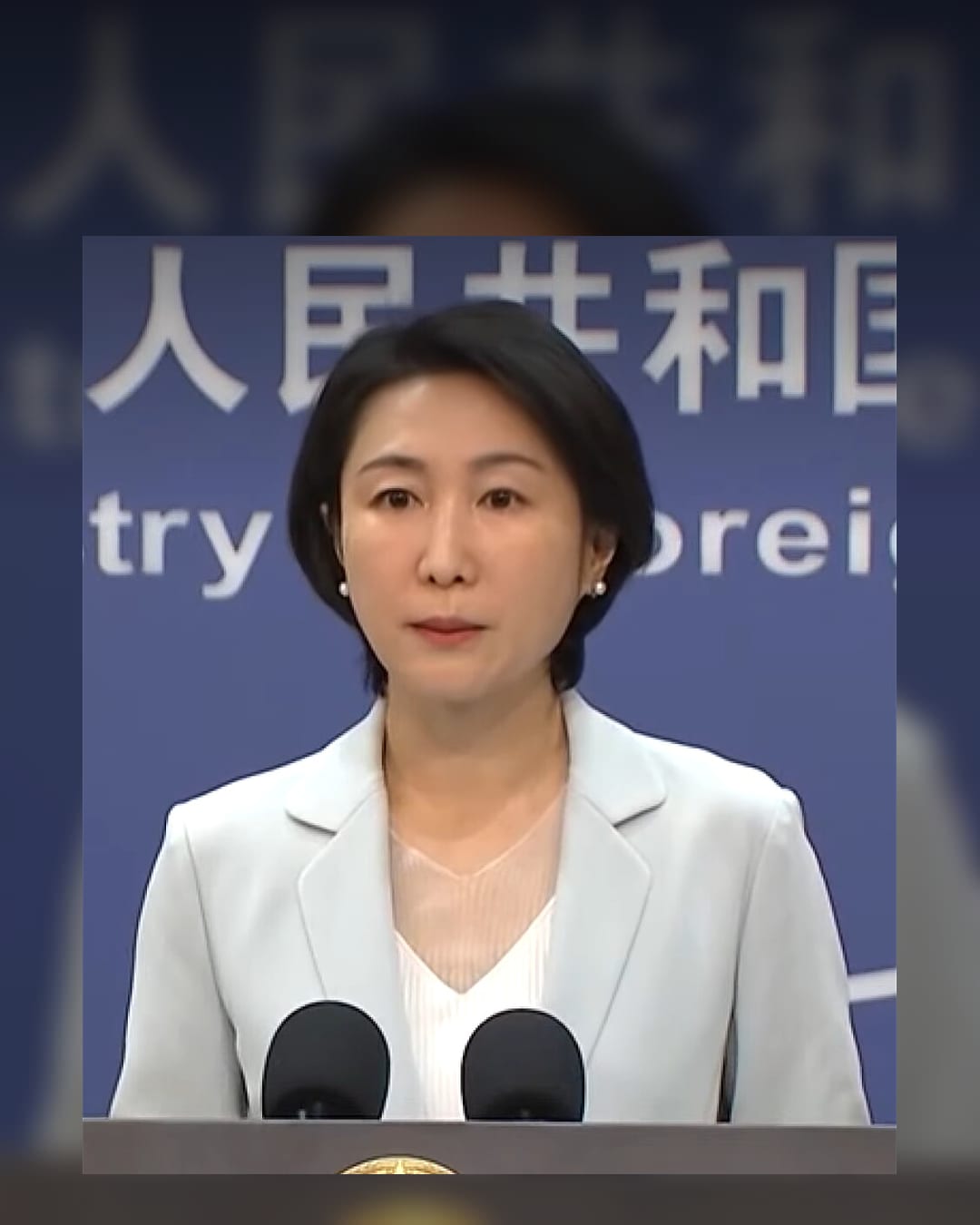
 Image: Mao Ning, Chinese Foreign Ministry spokesperson — China News Service / Wikimedia Commons, CC BY 3.0.
- China says the U.S.-Iran conflict “should never have happened” and should not continue.
- Beijing is urging parties to sustain de-escalation momentum and pursue a political resolution through dialogue.
- China also condemned U.S. strikes on Iranian nuclear facilities and called for ceasefire, civilian protection and negotiations.
China is urging the United States, Iran and regional actors to keep the ceasefire track alive and continue de-escalation efforts after the latest U.S. strikes on Iranian nuclear facilities sharpened tensions across the Middle East.
The clean read: Beijing is not treating the strikes as a reason to abandon diplomacy. It is using the moment to push for ceasefire discipline, dialogue and a political settlement that keeps the conflict from spreading.
What China said
Foreign Ministry spokesperson Mao Ning said China’s position on the Iran situation was “very clear,” according to ANews. She called it “a conflict that should never have happened” and said there was “no need for it to continue.”
Mao said it was important to “sustain the momentum of de-escalation,” stay committed to political resolution, and seek a solution through dialogue and consultation that accommodates the concerns of all parties.
How Beijing framed the U.S. strikes
In a separate official Foreign Ministry statement on U.S. strikes on Iran’s nuclear facilities, China said it “strongly condemns” the attacks and said bombing nuclear facilities under IAEA safeguards violated the UN Charter and international law.
That statement called on the parties to the conflict — “Israel in particular” — to reach a ceasefire as soon as possible, ensure civilian safety, and begin dialogue and negotiation.
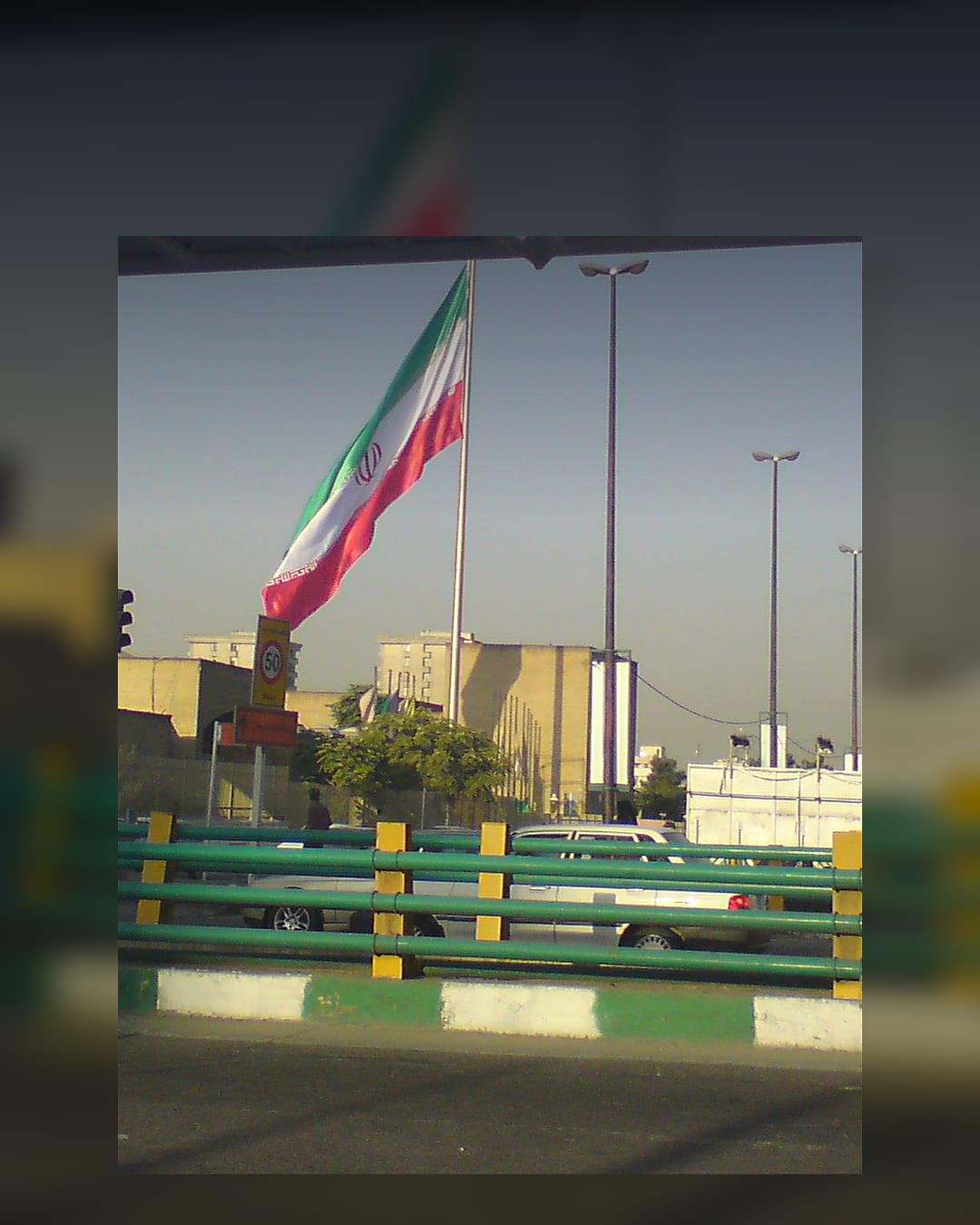 Image: Iranian flag on Azadi Street, Tehran — Alborzagros / Wikimedia Commons, CC BY-SA 3.0.
Why China cares
China’s public line combines two priorities: criticizing U.S. military action and preventing a wider regional crisis that could threaten energy flows, Gulf partnerships and trade routes such as the Strait of Hormuz.
The Washington Institute’s running tracker of Chinese and Russian statements described Beijing’s Iran-war messaging as more measured than Moscow’s, with China balancing support for Iran against its economic relationships across the Gulf.
What is confirmed?
Confirmed: China condemned U.S. strikes on Iranian nuclear facilities in an official Foreign Ministry statement; Mao Ning separately urged the U.S. and Iran to maintain de-escalation momentum and pursue dialogue.
Context: The “maintain the ceasefire” framing is the diplomatic direction of China’s position, not a detailed enforcement plan. Beijing has not announced a new mechanism to police the ceasefire.
What to watch: whether China moves beyond public statements into direct mediation, UN Security Council activity, or coordination with Gulf states worried about Hormuz and energy security.
NoDechev rating: verified diplomatic position. China is clearly calling for ceasefire, dialogue and de-escalation, while condemning U.S. strikes; the practical impact depends on whether talks hold.
Also Read
More source context on the Iran conflict and regional diplomacy.
Read: Iran Judiciary Suspends Internet Restoration Body