

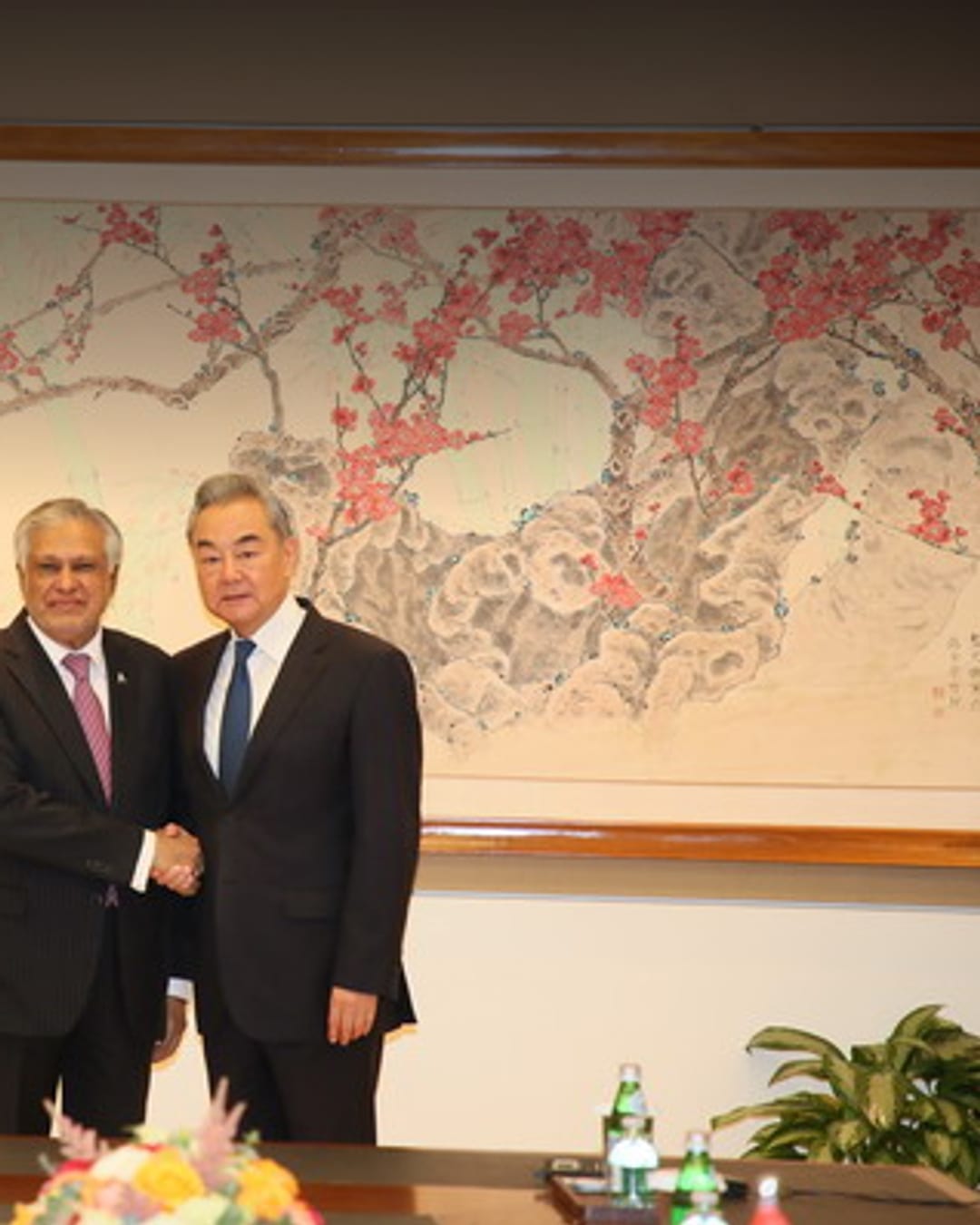
 Image: Wang Yi meets Mohammad Ishaq Dar in New York, May 28, 2026 - Ministry of Foreign Affairs of the People's Republic of China.
- China's latest official readout says it will support Pakistan's mediation efforts in the U.S.-Iran track.
- Beijing is urging dialogue, a comprehensive ceasefire and a return of stability in the Middle East and Gulf region.
- The statement is diplomatic pressure and positioning, not proof of a signed new ceasefire deal.
China is again calling for the United States and Iran to keep the ceasefire and negotiation track alive, this time through an official readout of Foreign Minister Wang Yi's meeting with Pakistan's deputy prime minister and foreign minister, Mohammad Ishaq Dar, in New York.
The clean read: Beijing is not announcing a new ceasefire agreement. It is publicly backing Pakistan's mediation role and pressing all parties to stay with dialogue, avoid renewed conflict and move toward a broader ceasefire framework.
What happened
China's Foreign Ministry said Wang Yi met Ishaq Dar on May 28, with the readout published on May 30. Most of the statement focused on China-Pakistan relations and multilateral cooperation, but the final section turned directly to Iran.
According to the Chinese readout, Wang said Pakistan has actively mediated the U.S.-Iran negotiations and called it a "reliable and qualified mediator." He said China would continue supporting Pakistan's peace efforts and work with it to push parties toward dialogue, a comprehensive ceasefire and restored stability in the Middle East and Gulf.
What China is really saying
The statement fits Beijing's broader line through May: China wants the conflict cooled, Hormuz shipping reopened and nuclear disputes returned to negotiation. It is also trying to keep its role visible without taking ownership of the entire U.S.-Iran process.
That is why the Pakistan angle matters. Pakistan has been positioned as one of the mediating channels, while China is presenting itself as a supporter of regional mediation and multilateral de-escalation rather than a direct enforcer of the ceasefire.
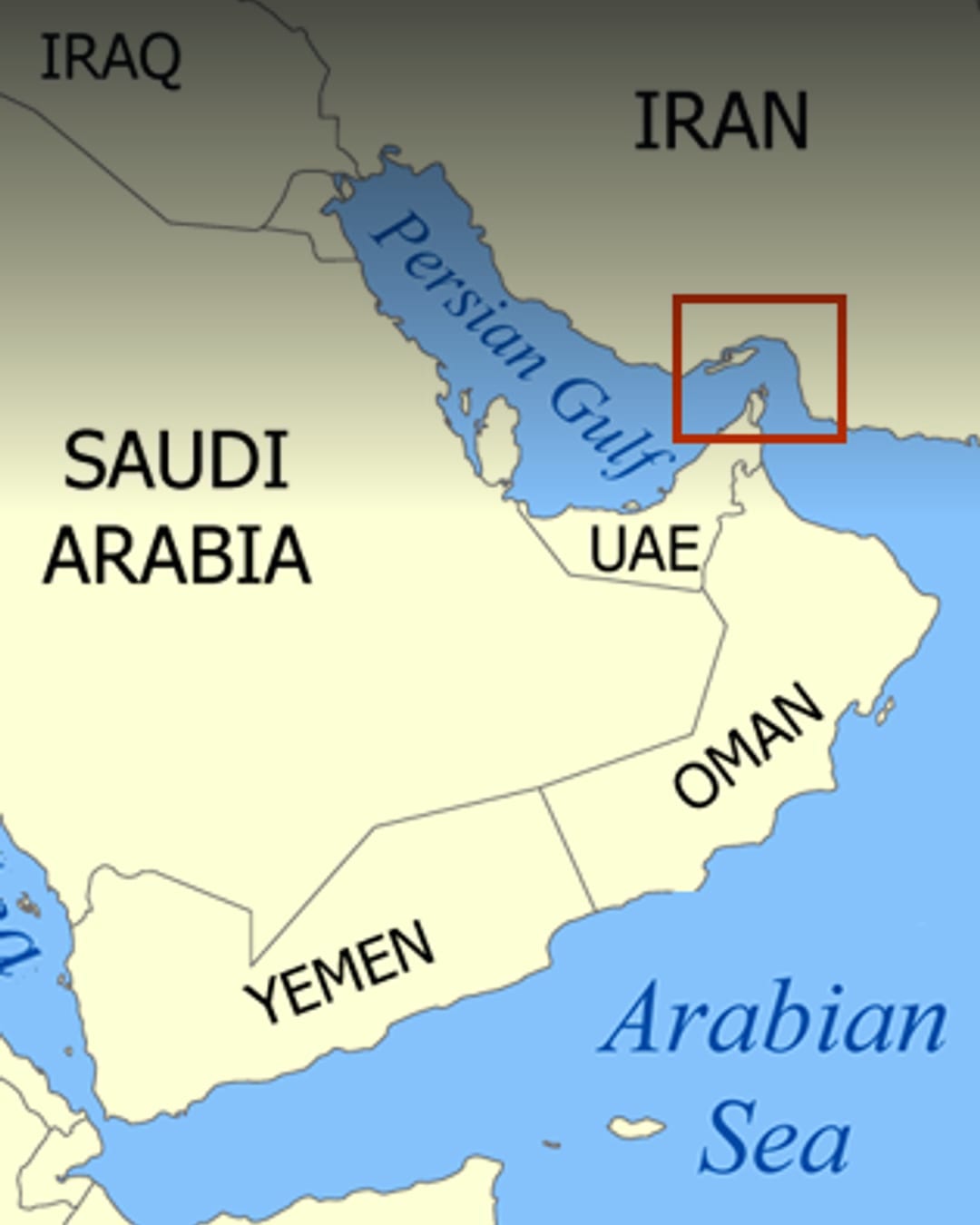 Image: Map of the Strait of Hormuz - Wikimedia Commons.
Why it matters
The statement lands after several conflicting signals around the U.S.-Iran track: reports of a possible 60-day memorandum, U.S. caution about final approval, Iranian pressure around Hormuz and continuing concerns about ceasefire violations.
In that environment, China's message is less about a dramatic breakthrough and more about preventing the diplomatic lane from closing. Beijing has repeatedly said the "door of dialogue" should not be shut again and that a comprehensive, lasting ceasefire is needed before the Gulf can stabilize.
What is confirmed?
Confirmed: China's Foreign Ministry says Wang Yi backed Pakistan's mediation efforts and called for dialogue, a comprehensive ceasefire and restored Middle East and Gulf stability.
Also confirmed: Earlier Chinese statements called for keeping the U.S.-Iran negotiation track open, reopening shipping lanes and reaching a lasting ceasefire. Wang also said after the China-U.S. summit that Beijing encouraged Washington and Tehran to keep settling disputes through negotiation, including on the nuclear issue.
Not confirmed: China has not announced a new signed U.S.-Iran ceasefire extension, a Chinese enforcement mechanism, or a final nuclear settlement. The practical effect depends on whether the parties keep the ceasefire track alive and agree on the same text.
What to watch next
The next signal is whether Pakistan, China, the U.S. and Iran describe the negotiation track in similar terms. If the language starts lining up across official statements, that would suggest the mediation lane is becoming more real. If the statements diverge, this remains diplomatic pressure around a fragile process.
For now, the fairest headline is narrow: China is urging the U.S. and Iran to maintain the ceasefire track and is publicly backing Pakistan's mediation role. That is meaningful, but it is not the same as a completed ceasefire deal.
NoDechev rating: verified diplomatic position. The Chinese statement is real and official; the wider ceasefire outcome remains conditional and unresolved.
Also Read
China's ceasefire language sits inside the wider Hormuz and U.S.-Iran negotiation track.
Read: China Urges Ceasefire and De-Escalation After U.S. Strikes on Iran