
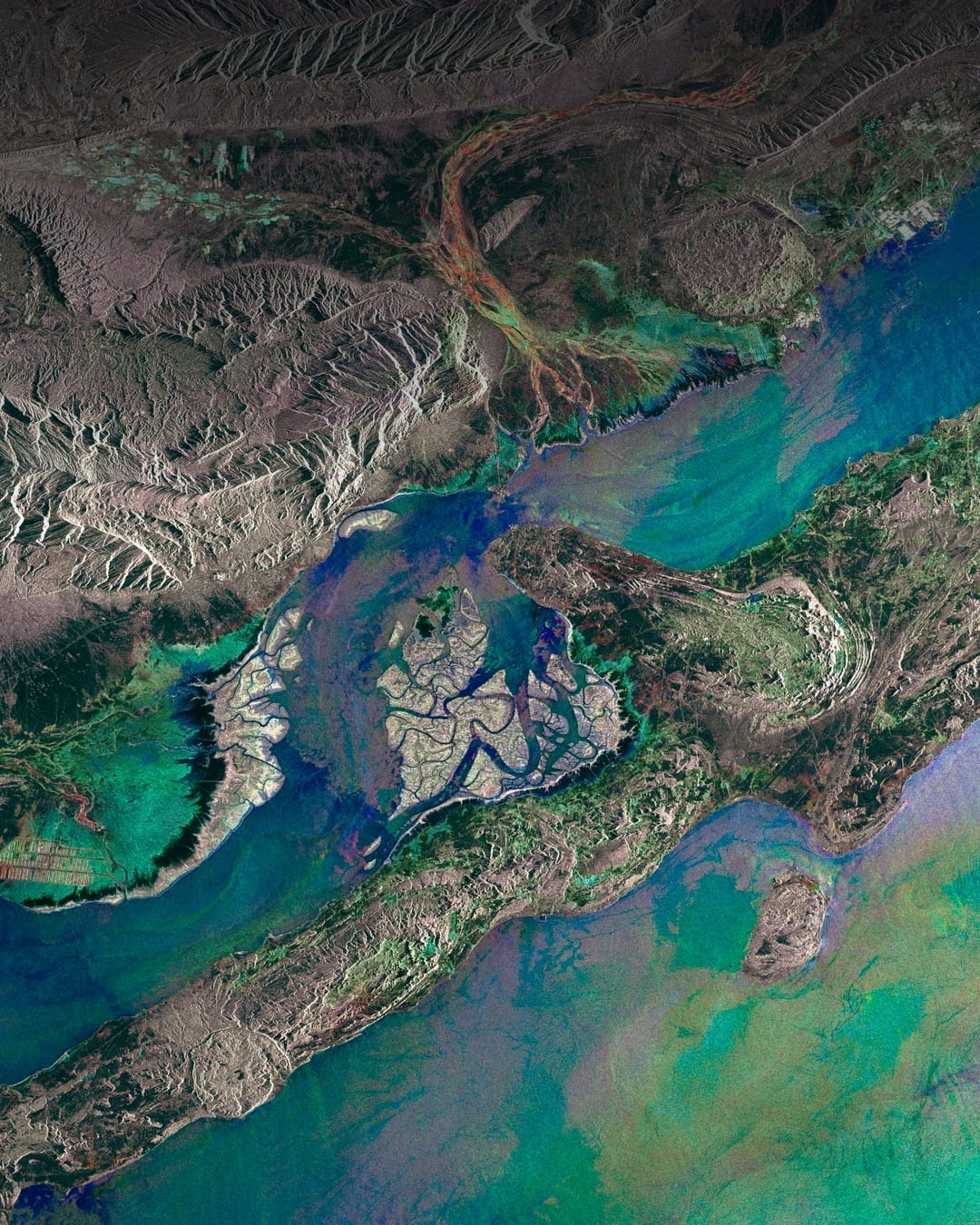
 Image: Envisat satellite image of Qeshm Island, Iran - ESA / Wikimedia Commons, CC BY-SA 3.0 IGO.
- CENTCOM says two Iranian missiles fired at Kuwait fell short or broke apart, while three missiles launched at Bahrain were intercepted by U.S. and Bahraini air defenses.
- The command says U.S. forces also downed Iranian drones and struck an Iranian military ground-control station on Qeshm Island.
- Iran's IRGC claimed attacks on U.S. bases in Kuwait and Bahrain, but CENTCOM called the claim of successful strikes false.
U.S. Central Command says a new wave of Iranian missile and drone attacks against regional neighbors and maritime traffic failed or was intercepted, while American forces carried out self-defense strikes on an Iranian military ground-control station on Qeshm Island.
The claim should be read narrowly. The public record shows what CENTCOM says happened and what Iran says it attempted. It does not yet provide independent battle-damage assessment, full radar tracks, or a complete timeline from all three countries.
What happened
AP reported June 3 that the U.S. military said Iran fired missiles at Kuwait and Bahrain that failed or were shot down, and that the United States launched strikes on an Iranian facility in response.
Anadolu, citing CENTCOM, reported the operational breakdown: two Iranian missiles fired at Kuwait fell short or broke apart, three missiles launched at Bahrain were intercepted by U.S. and Bahraini air defenses, and U.S. forces shot down three one-way attack drones aimed toward civilian mariners.
CENTCOM also said U.S. forces conducted self-defense strikes on a military ground-control station on Qeshm Island, near the Strait of Hormuz.
What CENTCOM says
CENTCOM's public record matters. On May 28, it said Iran launched a ballistic missile toward Kuwait that Kuwaiti forces intercepted, after five one-way attack drones threatened areas in and near the Strait of Hormuz. CENTCOM said U.S. forces intercepted those drones and prevented another launch from Bandar Abbas.
On May 31, CENTCOM said it struck Iranian radar and drone command-and-control sites in Goruk and Qeshm Island after aggressive Iranian actions, including the shootdown of a U.S. MQ-1 drone over international waters. The command said no American service members were harmed.
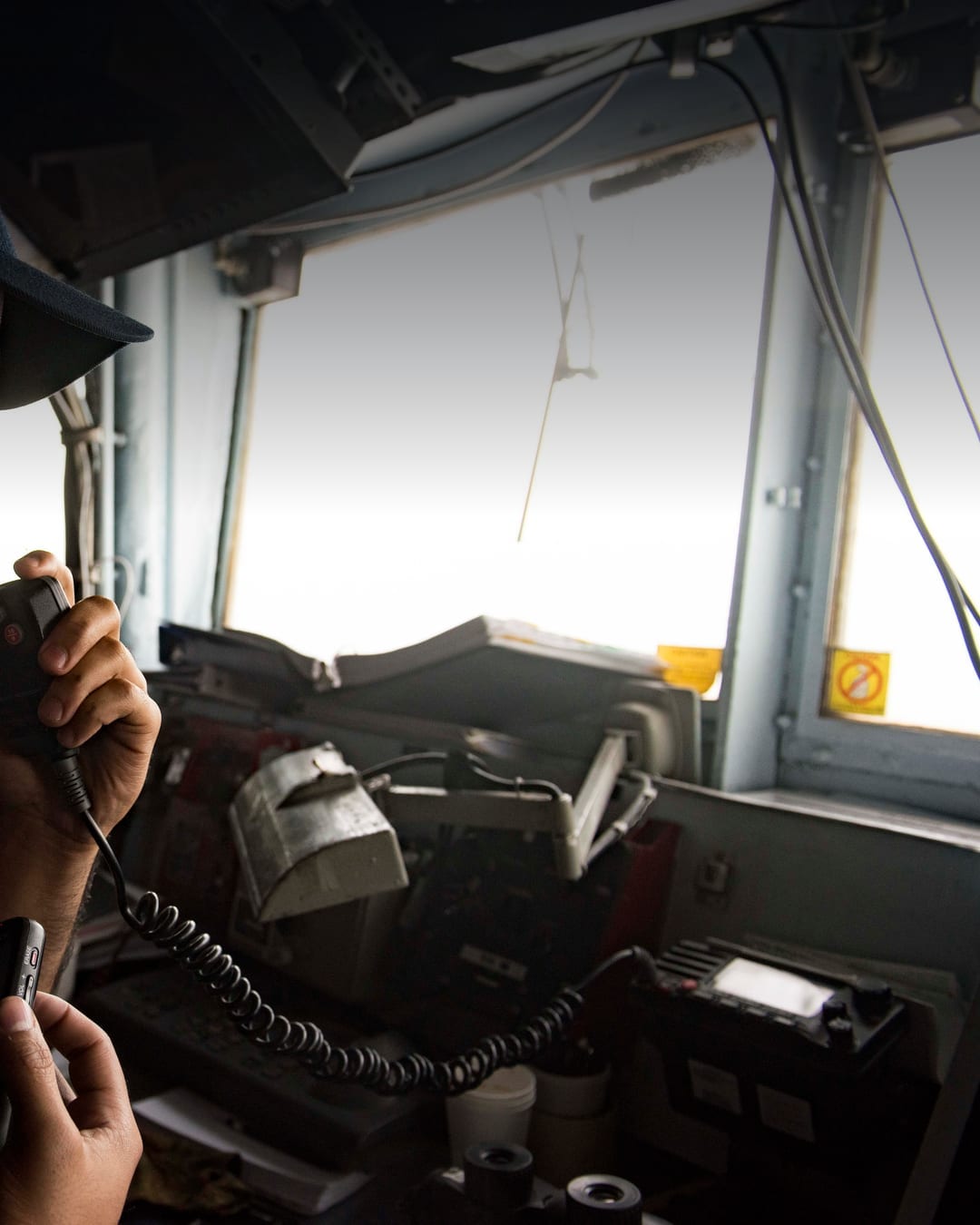 Photo: USS San Jacinto transits the Strait of Hormuz in 2016 - U.S. Navy / Wikimedia Commons, public domain.
What Iran claimed
Iran's Islamic Revolutionary Guard Corps said attacks targeting U.S. bases in Kuwait were launched after U.S. strikes near the Strait of Hormuz and on Qeshm Island, Anadolu reported. CENTCOM denied an IRGC claim that it struck U.S. 5th Fleet headquarters in Bahrain and a U.S. regional air base.
That disagreement is the core source problem: Iran presented the launches as retaliation, while CENTCOM says all Iranian attacks on American forces failed.
What is confirmed/not confirmed
Confirmed: CENTCOM has acknowledged recent self-defense strikes on Qeshm Island and earlier strikes around Goruk, while AP, Anadolu and Axios report the newer CENTCOM account that attacks involving Kuwait, Bahrain and drones failed or were intercepted.
Not confirmed: successful Iranian hits on U.S. 5th Fleet headquarters in Bahrain, a U.S. base in Kuwait, or a U.S. regional air base. Also unconfirmed are launch sites, missile types, debris locations and full damage assessments.
Why it matters
Kuwait and Bahrain are not just named countries in the exchange. Kuwait hosts U.S. military infrastructure, and Bahrain is home to U.S. Naval Forces Central Command and the U.S. 5th Fleet. Failed or intercepted attacks can still harden alert levels and strain host governments.
The Qeshm angle matters because the island sits close to the Strait of Hormuz, where drone control, air defense and maritime security claims quickly affect shipping risk. For background, see NoDechev's Strait of Hormuz explainer.
What to watch next
Watch for a fuller CENTCOM release on the June 3 sequence, statements from Kuwait and Bahrain on debris or air-defense activity, and Iranian media claims showing whether Tehran treats the attacks as completed retaliation or continuing pressure.
The clean read for now: CENTCOM says the attacks failed or were intercepted and says U.S. forces struck a Qeshm Island ground-control station. Iran says it retaliated. Public evidence does not confirm successful Iranian strikes on U.S. forces.
NoDechev status: official U.S. claim with corroborating wire/context reports; Iranian success claims disputed by CENTCOM and not independently confirmed in public evidence.
Also Read
The latest Qeshm and Kuwait claims fit into the wider problem of verifying ceasefire violations while military statements move faster than independent evidence.
Read the ceasefire verification explainer ->