

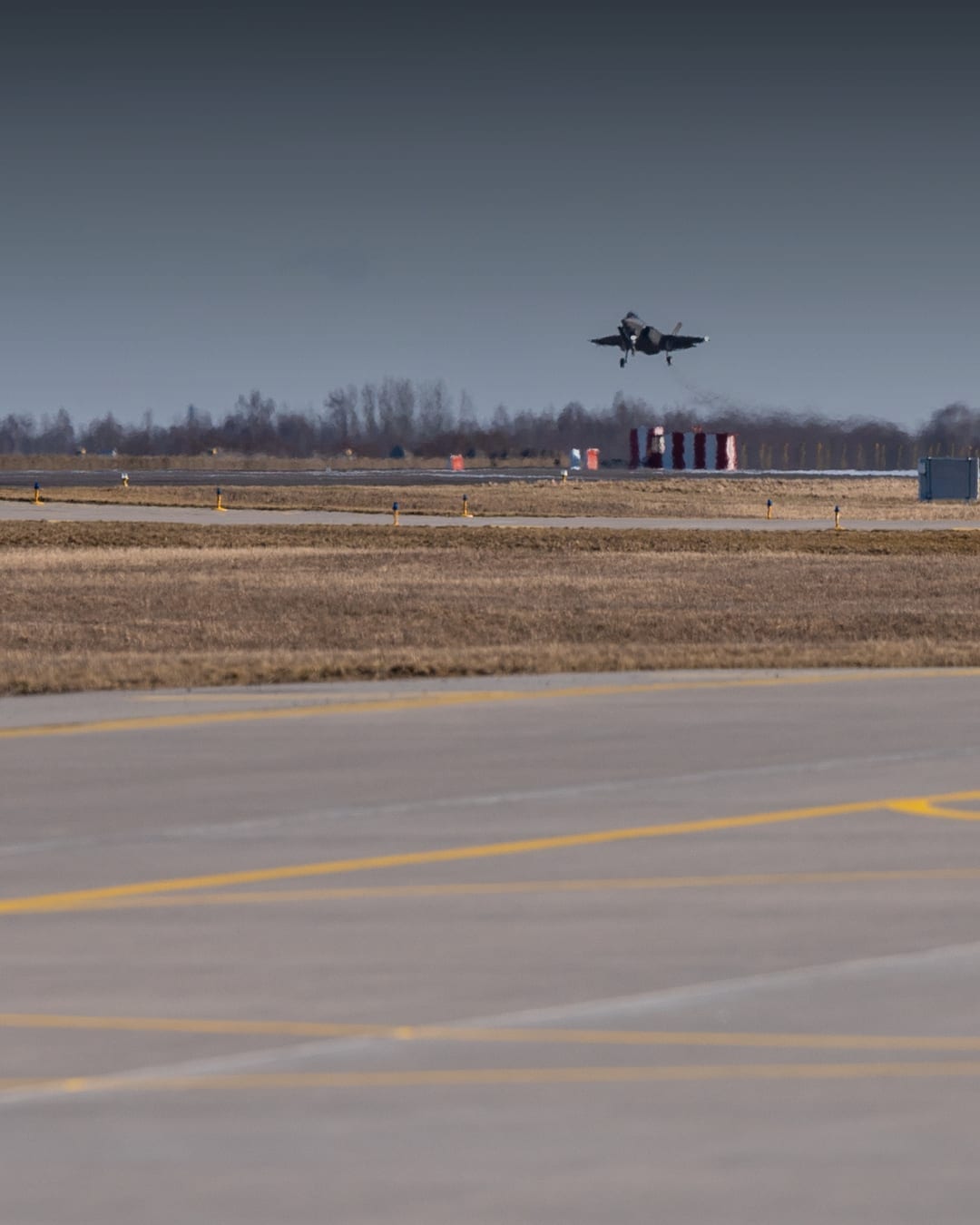
 Image: U.S. F-35s forward deploy to NATO's eastern flank - U.S. Air Force / Wikimedia Commons, public domain.
- Reuters says the U.S. told Europe and Canada to add aircraft, drones and naval vessels for NATO defense plans.
- The request comes as Washington reduces some assets assigned to Europe under the NATO Force Model.
- Xinhua separately cited U.S. European Command language about "rightsizing" U.S. contributions.
- The key caveat: this is not the same as a confirmed U.S. withdrawal from NATO or a full pullback from Europe.
The U.S. is pressing Europe and Canada to take on more air and maritime capability inside NATO as Washington trims some forces assigned to the continent, according to Reuters reporting from June 3.
The request reportedly focuses on aircraft, drones and naval vessels. That detail matters because it points to specific capability gaps rather than a generic call for allies to spend more. The story is not just "pay more." It is "cover more of the force package."
What happened
Reuters reported that U.S. officials have told European allies and Canada they should add more aircraft, drones and naval vessels to NATO's defense plans as the U.S. reduces assets assigned to Europe. The report said the request is part of a broader shift in how the alliance fills its NATO Force Model commitments.
Xinhua's follow-up framed the same move through U.S. European Command language: Washington is "rightsizing" contributions under the NATO Force Model, while still saying the U.S. remains committed to NATO and European security.
What the data says
The NATO Force Model is the alliance's post-2022 readiness structure. It was built after Russia's full-scale invasion of Ukraine to make more forces available at higher readiness, with national contributions filling land, air, maritime, cyber and support roles.
In practice, that means NATO defense plans are not only about troop counts. Air defense, surveillance drones, maritime patrol, mine warfare, anti-submarine capability and naval presence can be just as important as brigades on land.
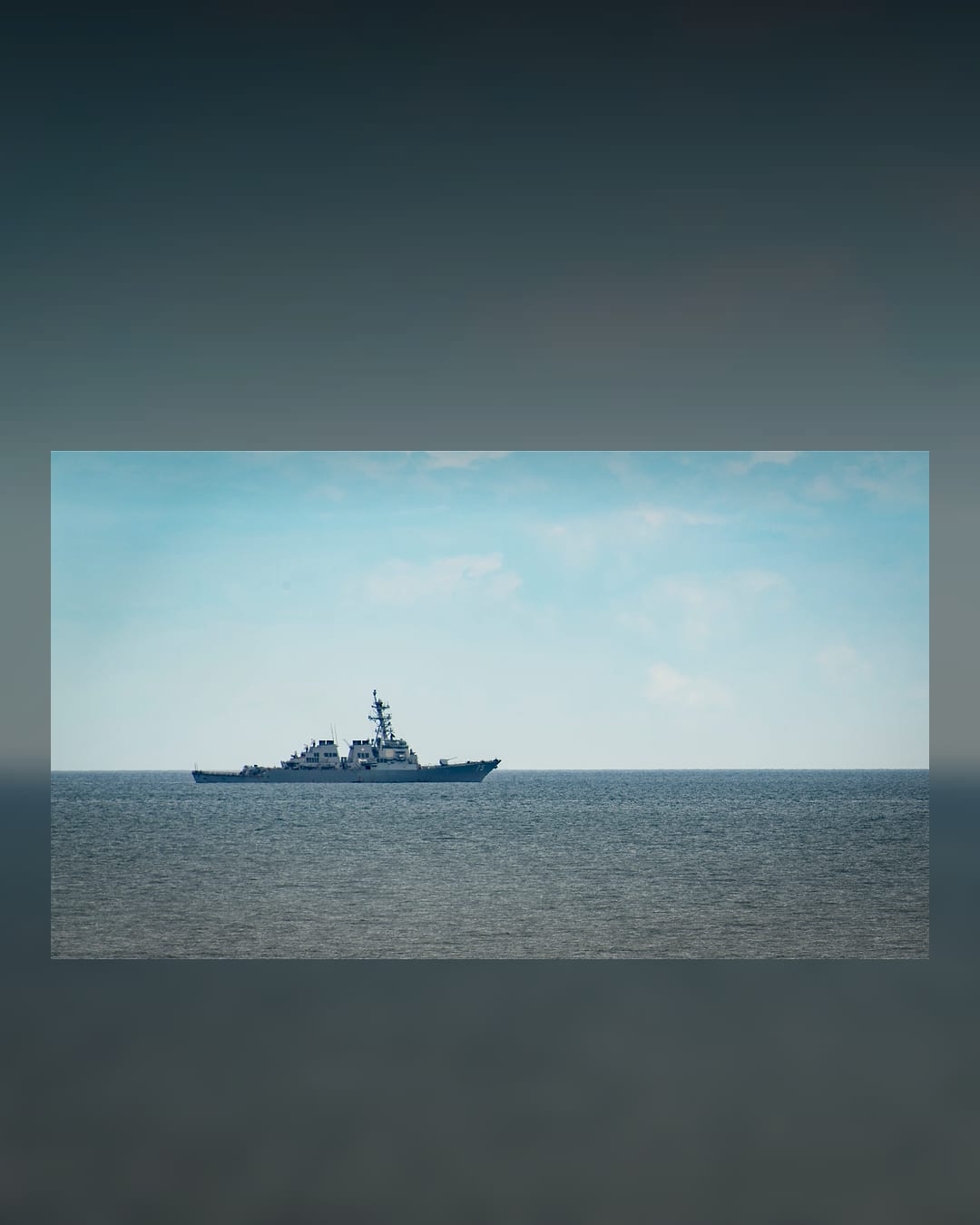 Image: U.S. Navy vessel at sea - U.S. Navy / Wikimedia Commons, public domain.
What is confirmed
It is confirmed through Reuters reporting that the U.S. has asked allies to cover more NATO air and naval capacity. It is also confirmed that U.S. European Command has described the adjustment as rightsizing, not abandoning the European theater.
The categories named in the reporting are important: aircraft, drones and naval vessels. Those are expensive, high-readiness assets that take years to buy, crew, maintain and integrate into alliance plans.
What is not confirmed
There is no public confirmation that the U.S. is leaving NATO, abandoning Article 5, or pulling all major forces out of Europe. The available record points to a narrower shift: Washington wants allies to carry more of the capability burden while the U.S. reallocates some assets.
There is also no public list showing exactly which U.S. units will leave Europe, which allied assets will replace them, or when each change will happen. Until those details are released, the story should be read as a force-planning signal, not a full order of battle.
Why it matters
For Europe and Canada, the request turns NATO burden sharing from a budget slogan into a concrete procurement and readiness problem. It is one thing to pledge a defense-spending target. It is harder to provide deployable aircraft, drones, crews, ships, maintenance pipelines and command integration.
For Washington, the move fits a long-running U.S. push to make allies carry more of the European defense load while the U.S. keeps attention and assets available for the Indo-Pacific and other theaters.
What to watch next
The next hard signals are defense-ministry announcements naming specific aircraft, drone units, naval vessels or readiness commitments; NATO planning documents; and summit language on how allies will fill the force model.
The clean read: the U.S. is not saying NATO no longer matters. It is telling allies that the U.S. share of some European defense roles is getting smaller, and that Europe and Canada need to put real hardware into the plan.
NoDechev rating: credible burden shift, not a confirmed NATO exit. The request is concrete and capability-specific, but the public details still stop short of a full deployment map.
Also Read
The force-model dispute sits inside the wider NATO question: how much of Europe's defense should depend on U.S. assets.
Read the NATO Article 5 explainer ->