
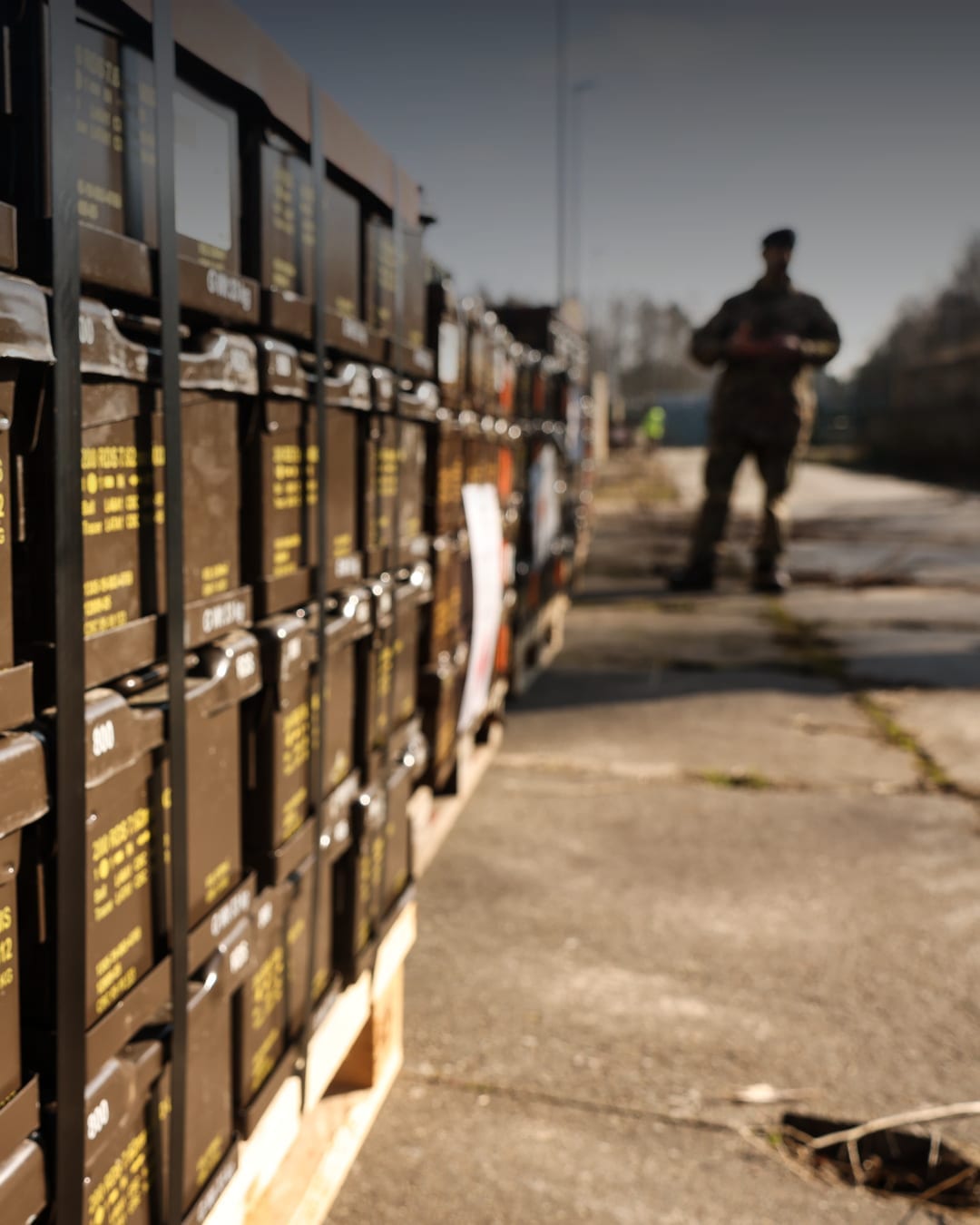
 Image: NATO exercise imagery, used here as general alliance context.
- Article 5 says an armed attack against one or more NATO allies in Europe or North America is considered an attack against them all.
- It does not prescribe one automatic military response; allies decide what action they deem necessary.
- Article 5 has been invoked once, after the September 11 attacks on the United States.
The short version
Article 5 is the collective-defence clause of the North Atlantic Treaty. It is the reason NATO is described as a defence alliance: if an ally suffers an armed attack covered by the treaty, the other allies treat that attack as an attack against them too.
The phrase sounds simple, but the process behind it matters. Article 5 does not contain a pre-written war plan that switches on automatically. It creates a treaty obligation for allies to assist, including by using armed force if they judge that necessary, while each ally still acts through its own constitutional process.
Article 5 vs Article 4
Article 4 is consultation. Article 5 is collective defence. That is the basic distinction readers need when a border incident, drone crash or missile strike becomes a viral claim.
An Article 4 discussion can happen before allies agree that an armed attack occurred. Article 5 is a higher threshold because it frames the incident as an attack on the alliance area. A careful brief should never turn Article 4 language into Article 5 language unless officials have actually said that.
What happens after invocation
If Article 5 is invoked, the North Atlantic Council weighs the facts and allies coordinate a response. The response can include political, military, intelligence, logistical, air-defence or other support. The treaty language says each ally takes the action it deems necessary.
That wording is important. Article 5 creates solidarity, but it does not erase national governments, parliaments, military chains of command or operational planning.
Why intent and geography matter
Not every dangerous incident near NATO territory is automatically an Article 5 event. Officials need to establish what happened, where it happened, who was responsible, whether the treaty area is covered, whether an armed attack occurred and whether the incident was deliberate or accidental.
That is why early reporting often moves through cautious language first: investigating, assessing, consulting, coordinating. The strongest claim requires direct official wording from NATO or the affected ally.
What to watch next
Watch for North Atlantic Council statements, wording from the affected member, allied force posture, air-policing changes, air-defence deployments and whether officials use the words “armed attack” or “Article 5.”
Viral posts often skip the process because “NATO at war” travels faster than “allies are assessing evidence.” The process is the story.
NoDechev note: this is an evergreen explainer, not a breaking-news claim. It is designed to give readers the background needed to read fast-moving briefs more carefully.
Use this as context
When a fast claim uses this term, start here, then check the linked brief and its source trail.
Read latest briefs →