

 Image: Iran Ministry of Foreign Affairs building in Tehran - Wikimedia Commons.
- Reuters says four sources described a UAE move to unlock billions of dollars for Iran.
- Two regional sources put the total at $10 billion, with more than $3 billion already delivered.
- Two other sources put the total at $20 billion and tied the move to a halt in Iranian attacks on the UAE.
- Reuters could not establish whether the funds are UAE money or long-blocked Iranian accounts in the UAE banking system or elsewhere.
The United Arab Emirates has agreed to unlock billions of dollars for Iran, according to a Reuters exclusive citing four sources familiar with the matter. The move is being described as a tactical shift after weeks of Iranian attacks on the Gulf state during the U.S.-Israeli war with Iran.
The clean version is this: the funds story is real enough to report, but not clean enough to flatten into a single number. Reuters says two regional sources put the arrangement at $10 billion, with more than $3 billion already delivered. Two other sources with knowledge of the arrangement put the total at $20 billion, with a first $3 billion tranche already made available.
What Reuters reported
Reuters says the UAE move coincides with the final stages of broader U.S.-Iran negotiations aimed at ending the war. Those talks, according to diplomats cited in the report, could involve tens of billions of dollars in Iranian oil revenues frozen in foreign banks under U.S. sanctions.
The report also says one source described the UAE-Iran arrangement as a way for each side to avoid crossing political red lines: Iran can frame the money as compensation for war damage, Washington can say it did not pay Iran directly, and Abu Dhabi can frame the move as de-escalation and protection of Dubai's business-hub status.
The important caveat
Reuters could not establish whether the money earmarked for transfer belongs to the UAE, comes from Iranian accounts long blocked in the UAE banking system, or originates somewhere else. That is the central caveat for the headline.
A UAE official, asked about the transfer, did not confirm operational details but said the country's foreign policy is guided by de-escalation, reducing regional tensions, and supporting efforts including those undertaken by the United States.
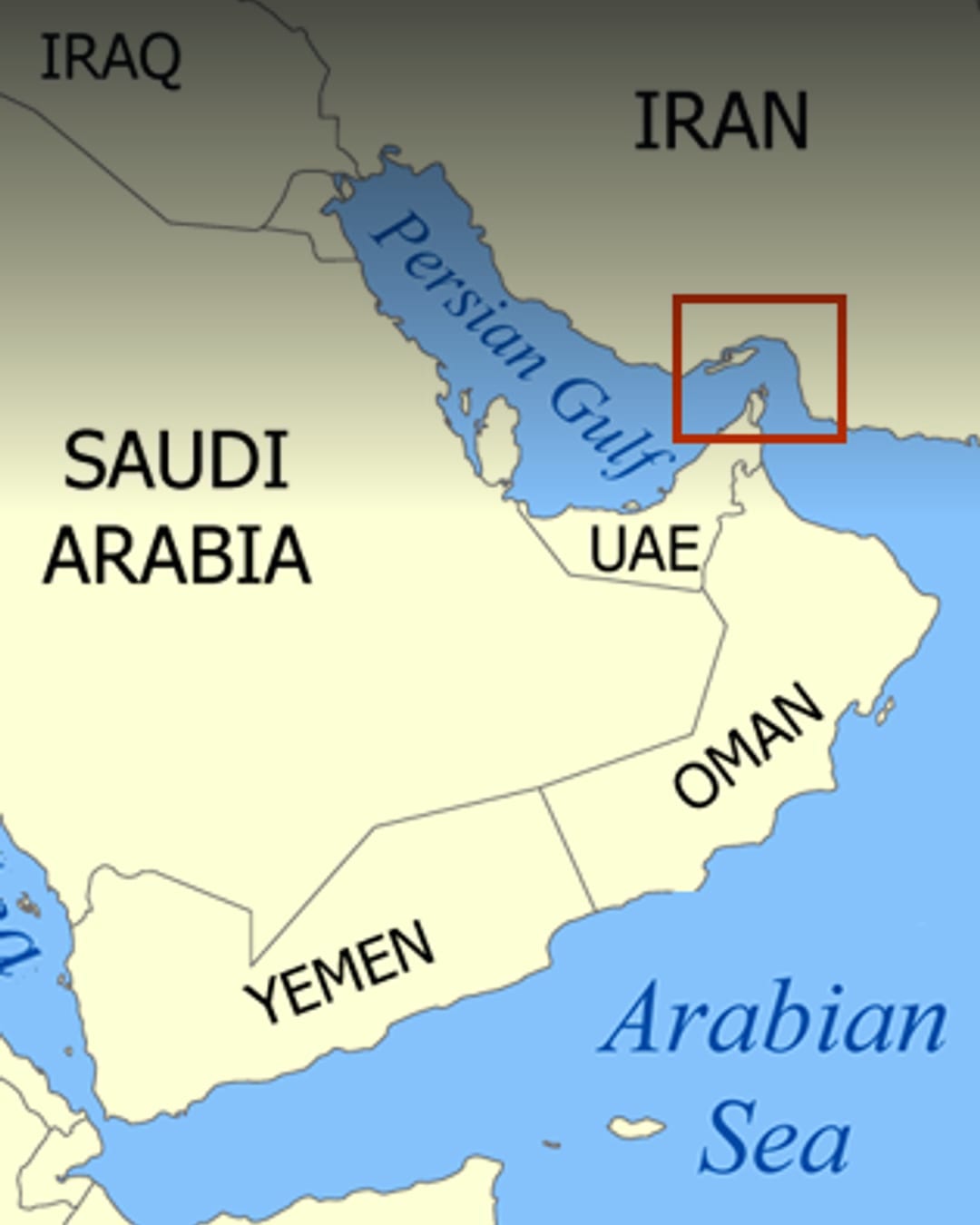 Image: Strait of Hormuz map - Wikimedia Commons. Frozen funds and safe passage through Hormuz are linked in the wider negotiation track.
Why it matters
Frozen assets are one of the biggest practical tests in the Iran deal track. A political framework can sound close, but Tehran will treat access to money as one of the signs that sanctions relief is real rather than symbolic.
For the UAE, the reported arrangement is also about security. Reuters says one source tied the disbursement to Iran halting missile and drone attacks against the UAE, as well as a rebuilding of bilateral ties, intelligence sharing and economic cooperation.
What Washington is saying
The White House did not immediately respond to Reuters. Vice President JD Vance said Friday that funds would not be released to Iran simply for signing a deal with the U.S. or attending a meeting. He said any economic benefits would flow if Tehran meets its obligations.
That distinction matters because it lets Washington separate a regional de-escalation mechanism from the political claim that the U.S. is paying Iran up front.
What to watch next
The next clean signals are official confirmation from Abu Dhabi or Tehran, clarity on whether the assets are Iranian-owned or UAE-provided, and whether the reported payments are folded into the Islamabad MOU track or kept as a separate Gulf security arrangement.
NoDechev rating: reported by Reuters sources, not fully documented. The UAE-Iran funds arrangement is a major de-escalation signal, but the exact total, ownership and mechanism remain unsettled in the public record.
Also Read
This funds move connects directly to the fast-moving Islamabad MOU story.
Read the Islamabad MOU update