
 Image: Iran Ministry of Foreign Affairs central building in Tehran - GTVM92 / Wikimedia Commons, CC BY-SA 4.0.
- Iranian state-linked reporting says a draft U.S.-Iran framework includes sanctions relief, an end to the U.S. naval blockade and U.S. military pullback language around Iran.
- The report is a shift from earlier Iranian caveats, but it still appears to describe a framework or memorandum path, not a fully published final treaty.
- The key checkpoint is whether Washington and Tehran acknowledge the same text, timeline and enforcement terms.
Iranian state-linked reporting is now describing the terms of a U.S.-Iran deal framework, marking a clear shift from earlier Tehran-side caution after President Donald Trump said a settlement was close.
The reported terms are large: lifting U.S. sanctions, ending the naval blockade, withdrawing U.S. military forces from Iran's vicinity, restoring commercial shipping and moving into a broader diplomatic process around nuclear commitments and regional de-escalation.
That does not mean every final detail is publicly settled. It does mean the story has moved from "Trump says, Iran has not confirmed" toward "Iranian media is describing what the framework contains." For a fast-moving conflict story, that is a meaningful change.
What happened
Earlier this week, Trump said the United States had reached a settlement to end the war with Iran and suggested a signing could happen soon. At the time, Iranian officials and state-linked reporting were more cautious, saying no final agreement had been reached and that texts were still under review.
Now, reports citing Iranian state media and state TV say the draft framework includes several Iranian priority points: sanctions relief, the release or unblocking of Iranian assets, an end to U.S. naval pressure, and U.S. forces moving back from areas around Iran.
The Guardian's live file described the state-linked outline as a draft agreement with major economic and security terms. Axios separately reported that the tentative memorandum includes reopening the Strait of Hormuz without tolls and sanctions relief tied to compliance.
What the sources say
Axios describes the deal as a tentative memorandum of understanding rather than a finished peace treaty. Its report says the framework would reopen Hormuz, extend a ceasefire track and create a path for further nuclear negotiations.
The Iranian state-media angle is broader: it points to sanctions, U.S. military posture and the naval blockade. New Arab's earlier report on the draft said Iranian state TV framed the U.S. as committing to lift the naval blockade and stop harassing ships going to or from Iran.
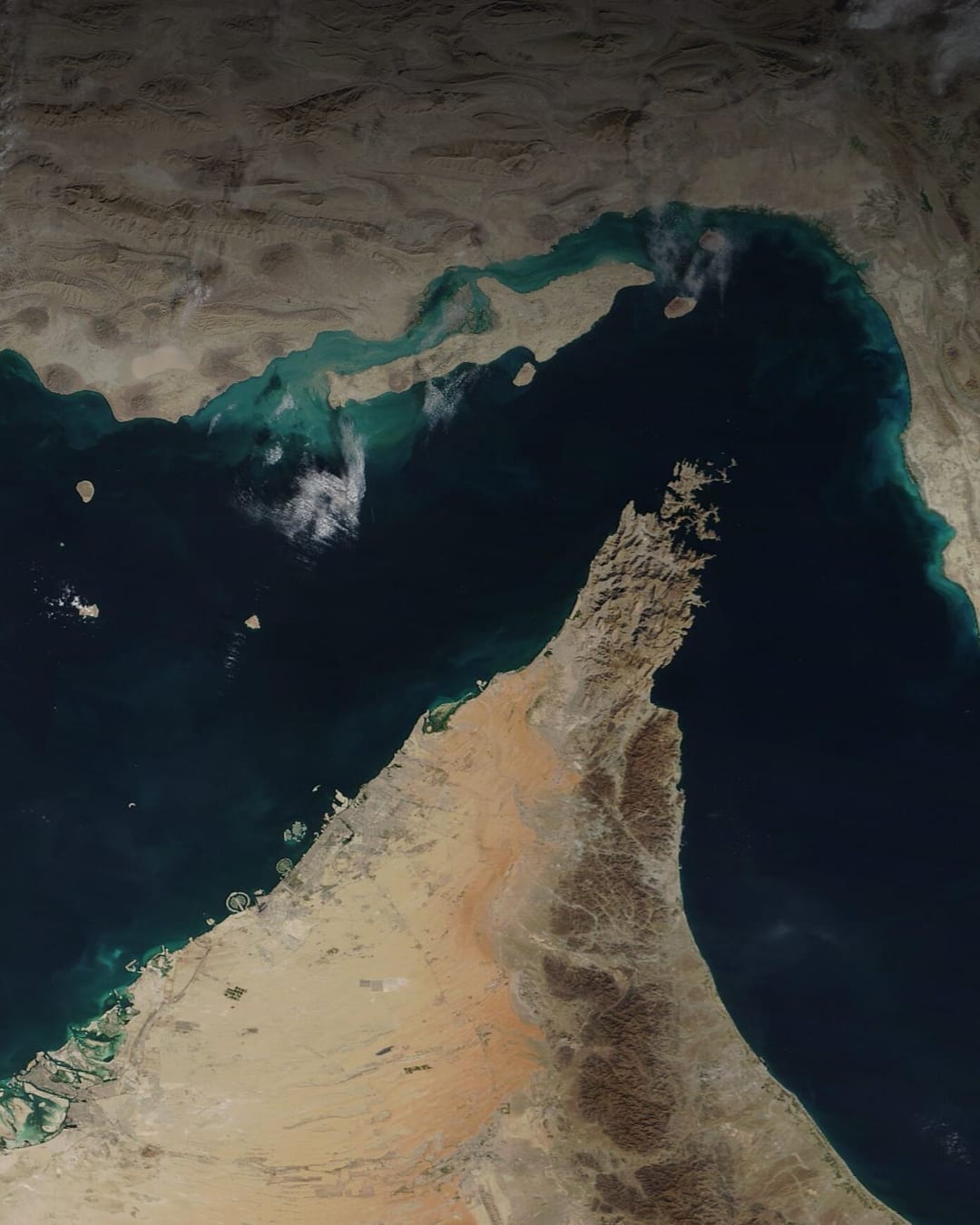 Image: Strait of Hormuz from NASA MODIS satellite data - NASA / Wikimedia Commons, public domain.
What is confirmed
It is confirmed that multiple reputable outlets are reporting the existence of a U.S.-Iran framework or memorandum track and that state-linked Iranian reporting is now describing terms instead of only denying a final agreement.
It is also confirmed that the reported terms touch the main pressure points of the crisis: sanctions, shipping through and around Hormuz, U.S. military posture, frozen funds, and Iran's nuclear commitments. Those are exactly the issues that would have to be addressed for a durable de-escalation.
What is not confirmed
No joint signed text has been published in the public record reviewed here. No shared U.S.-Iran document has been released with signatures, sequencing, deadlines, verification language and enforcement rules.
The phrase "deal confirmed" should therefore be used carefully. Iranian state media describing terms is not the same thing as both governments publishing the final agreement. The strongest accurate read is that Iranian state-linked outlets are now reporting a draft or framework that includes major concessions Washington had previously used as leverage.
Why it matters
If the blockade ends and sanctions relief begins, the immediate effects would reach far beyond politics. Shipping, oil flows, insurance rates, Gulf security, Iranian export revenue and regional military posture could all shift quickly.
The U.S. military pullback language matters because it would answer one of Tehran's core demands: reducing American pressure around Iran's borders and coastline. But it also raises the hardest question for Washington and its regional partners: what counts as a pullback, and what forces stay in place for deterrence?
The sanctions language matters just as much. A vague waiver is not the same thing as durable relief. Oil sales, banking access, frozen funds and secondary sanctions would need specific sequencing before markets can treat the framework as real.
What to watch next
Watch for three things: a joint text, a signing location, and matching language from both sides. If Washington says memorandum while Tehran says agreement, the gap remains. If both sides publish the same terms, the story changes again.
Also watch Hormuz. Ships moving normally, blockade orders being lifted and insurance pressure easing would be practical signs that the framework is becoming operational. Until then, the deal is politically louder than it is legally clear.
NoDechev rating: major Iranian state-media shift, not final public treaty. Treat it as a reported framework with sanctions, military and blockade terms until both sides publish or acknowledge the same text.
Also Read
This is the follow-up to the earlier caveat: Trump claimed a deal first, while Tehran had not yet publicly matched the language.
Read the previous Iran deal caveat brief