

 Image: Keir Starmer official portrait, July 2024 — Simon Dawson / No 10 Downing Street, Open Government Licence v3.0 via Wikimedia Commons.
- Keir Starmer says red tape should not stop fans watching World Cup matches with friends in pub gardens.
- Councils are being urged to approve sensible outdoor screenings and temporary event notices quickly.
- The government is also proposing longer pavement-licence periods for venues serving outdoor pints and al-fresco dining.
Keir Starmer is leaning into the World Cup pub vote, saying the government will back outdoor pints and beer-garden match screenings as England and Scotland prepare for the 2026 tournament.
The practical move is aimed at councils and licensing teams. Ministers want local authorities to support as many sensible outdoor World Cup events as possible, including beer-garden screenings, later opening requests and pavement-pint arrangements where public safety and residents’ concerns can still be managed.
The important caveat: this is not a universal right for every pub to put a giant screen outside and serve wherever it wants. Local authorities still sign off temporary event notices, outdoor-screening plans and pavement licences.
What happened
PA reporting carried by The Independent and Yahoo said Communities Secretary Steve Reed is writing to local leaders urging them not to act like “the fun police” before the men’s World Cup, which begins on June 11 and runs to July 19 across the United States, Canada and Mexico.
Starmer’s line was deliberately plain: red tape should not get in the way of fans enjoying matches with friends or pubs doing good trade. He also framed the pavement pint as part of the summer football atmosphere, especially around penalties and outdoor crowds.
Reed’s message is sharper: councils should back sensible applications, process temporary event notices quickly and avoid forcing people indoors halfway through big moments unless there is a real local reason.
What the government is changing
There are two overlapping tracks. The first is World Cup licensing. The government has already moved to let eligible pubs and bars in England and Wales stay open later for England and Scotland knockout-stage matches without needing a separate temporary event notice in covered cases.
Local council guidance says the national extension applies to on-trade venues already licensed to 11pm, with service allowed until 1am for qualifying matches kicking off from 5pm up to 9pm, and until 2am for kick-offs after 9pm up to 10pm. The covered stages include the round of 32, round of 16, quarter-finals, semi-finals, bronze medal match and final.
The second track is outdoor trading. Ministers are proposing to reduce red tape for pavement pints and al-fresco dining by lengthening the current maximum two-year pavement-licence period. Details, including the maximum term and legislation, are still expected to follow.
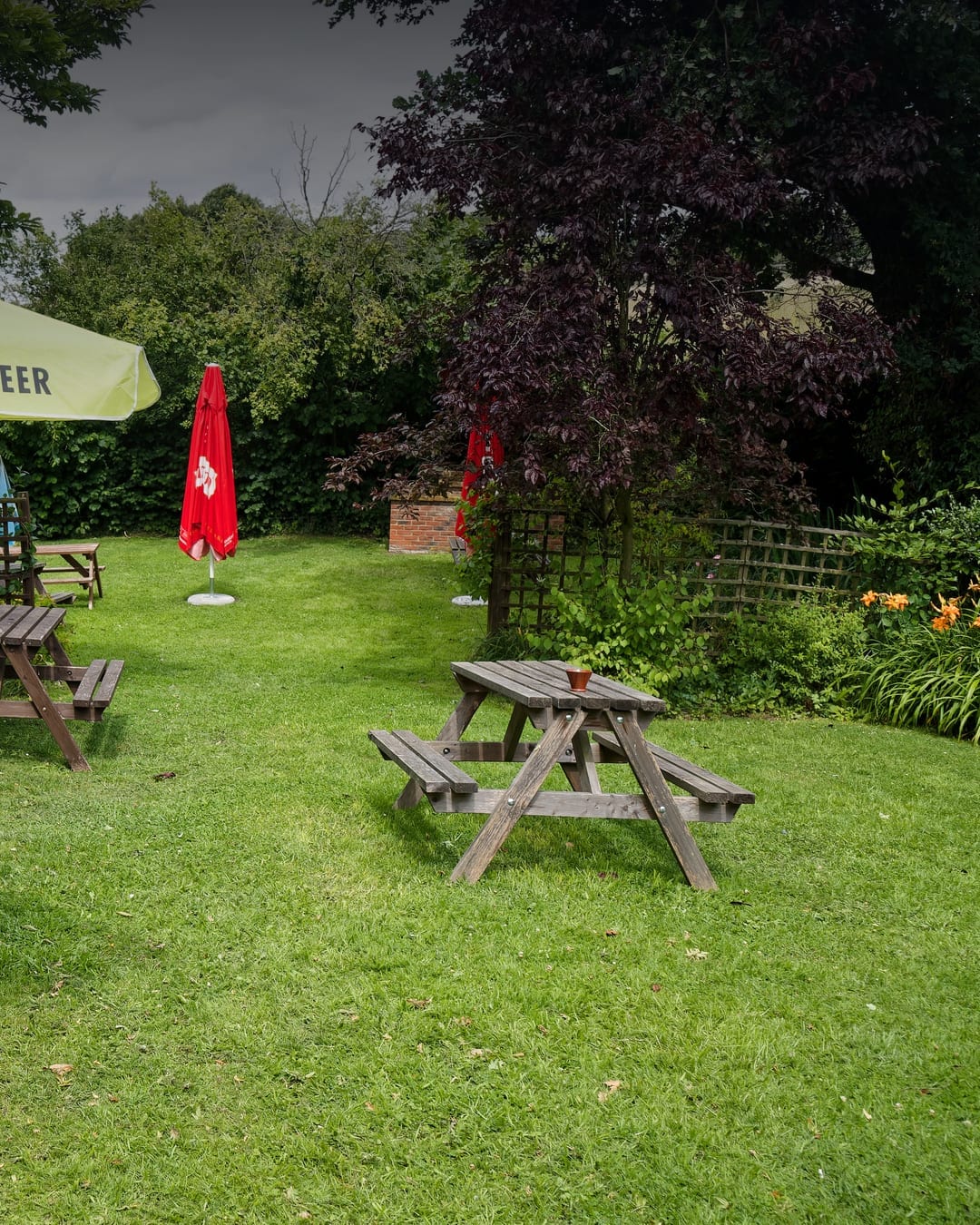 Image: Pub beer garden at The Swan, Great Easton, Essex — Acabashi, CC BY-SA 4.0 via Wikimedia Commons.
What is confirmed — and what is not
Confirmed: the government is publicly pushing councils to support outdoor World Cup screenings and special events where they are reasonable. Confirmed: ministers want to make pavement licences less bureaucratic. Confirmed: pubs in England and Wales have a national late-hours relaxation for covered home-nation knockout matches.
Not confirmed: the announcement does not mean every beer garden screening is automatically approved. Noise, safety, crowd control, public nuisance, police objections and existing licence conditions still matter.
That distinction matters because the viral version of the story can sound like Downing Street has simply legalised outdoor World Cup drinking everywhere. The actual position is more limited: central government is telling local decision-makers to be permissive, fast and pro-pub, while leaving formal approvals local.
The policy signal is national. The permission still often happens locally.
Why it matters
For pubs, the World Cup is a rare summer trading event that can turn quiet weeknights into packed sessions. The British Beer & Pub Association has said the tournament could mean tens of millions of extra pints if a home team reaches the final, and industry guidance has been issued to help venues prepare safely.
For Starmer, it is also easy politics. A government under pressure on the economy can present this as growth, high-street support and common-sense deregulation in one frame. It lets ministers say they are backing local pubs without opening a wider fight over alcohol policy.
The risk is local backlash. Beer-garden screenings can mean noise, crowding and later departures near homes. Councils will be pushed to approve more, but they will still be judged by residents if an event goes badly.
What to watch next
Watch Reed’s letter to councils and the legislation details on pavement licences. The key question is whether this remains a World Cup mood-setting exercise or becomes a lasting outdoor-trading reform for pubs, bars and restaurants.
Also watch the first England and Scotland knockout fixtures. That is where the late-hours rules, temporary event notices and council appetite for outdoor screens will be tested in the real world.
Ready social post
Starmer is backing outdoor pints and beer-garden World Cup screenings, but the detail matters: councils are being pushed to approve sensible events and pavement-pint plans faster. It is pro-pub deregulation, not a blanket permission slip for every outdoor screen.
Read next: Andy Beshear calls for Supreme Court term limits