

 Image: U.S. Department of Agriculture / Steve Ausmus, public domain via Wikimedia Commons.
- U.S. District Judge Myong Joun, appointed by President Joe Biden, granted a preliminary injunction against USDA funding conditions on June 5.
- The challenged conditions involved policies on gender ideology, immigration, fair athletic opportunities and other federal priorities.
- SNAP helps about 39 million Americans buy groceries, but the case is broader than SNAP alone.
A federal judge in Massachusetts has temporarily blocked a Trump administration effort to attach new policy conditions to U.S. Department of Agriculture funding, including money tied to food-assistance programs.
U.S. District Judge Myong Joun, a Biden appointee, granted a preliminary injunction on Friday, June 5, in a lawsuit brought by a Democratic-led multistate coalition. The judge said a fuller written memorandum would follow, according to Associated Press reporting.
The viral shorthand is that a Biden-appointed judge “froze Trump’s effort to eliminate food benefits for millions.” The cleaner read is narrower and more useful: the court paused USDA conditions that states said could threaten access to billions in congressionally approved funding for SNAP, school meals, WIC and other USDA programs while the lawsuit continues.
What happened
The case challenges what state attorneys general call USDA’s “2026 Conditions.” Those terms required recipients of USDA money to certify compliance with broad federal policies touching immigration, “gender ideology,” diversity-related rules and “fair athletic opportunities” for women and girls.
California Attorney General Rob Bonta said the injunction blocks the administration from imposing those conditions on essential USDA grants. New York Attorney General Letitia James said the order protects more than $9.7 billion in USDA funding for New York alone.
The administration’s lawyers argued that the requirements were lawful oversight tools meant to protect taxpayer dollars and ensure recipients comply with federal law. The states argued the conditions were vague, unrelated to the programs, and unlawfully placed approved funding at risk.
What the data says
SNAP remains one of the largest U.S. safety-net programs. AP reported that it helps about 39 million Americans, roughly one in nine people, buy groceries. The same report said preliminary USDA data showed participation had fallen by nearly 4.3 million between January 2025 and January 2026.
The funding fight is wider than monthly grocery benefits. California’s attorney general said USDA programs affected by the challenged conditions include SNAP, child nutrition funding, school lunch programs and WIC services. California alone cited billions in annual USDA funds flowing through state education, social services and public health agencies.
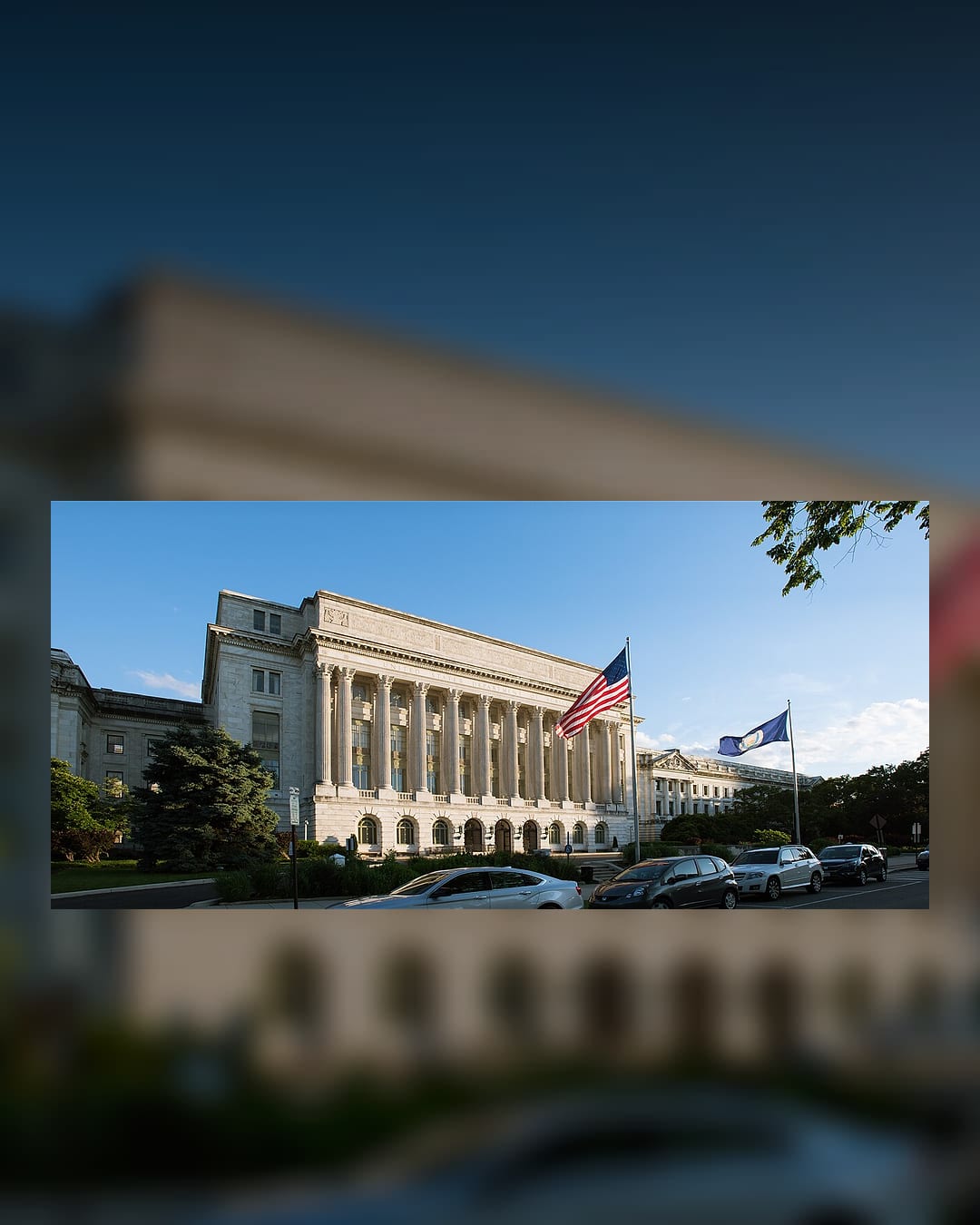 Image: U.S. Department of Agriculture / Lance Cheung, public domain via Wikimedia Commons.
What is confirmed — and what is not
Confirmed: Judge Joun granted a preliminary injunction in the District of Massachusetts. Confirmed: the lawsuit targets USDA funding conditions, not a final congressional repeal of SNAP. Confirmed: states argued the conditions could endanger food-security and agriculture funds already approved by Congress.
Needs context: “eliminate food benefits for millions” is a political framing of the risk, not the exact legal action. The court did not rule that SNAP itself had already been abolished. It stopped the administration from enforcing the challenged conditions while the legal case proceeds.
The practical signal: courts are again testing how far the executive branch can go when it tries to use federal funding as leverage for policy goals Congress did not write directly into a program.
Why it matters
Food-benefit fights hit quickly because the programs are administered through states but funded heavily by the federal government. If a state is forced to choose between accepting disputed federal conditions or risking program money, the pressure lands on households long before the constitutional argument is resolved.
The case also sits inside a larger pattern of Trump administration funding litigation. States have repeatedly challenged attempts to place policy conditions on federal money, arguing that agencies cannot rewrite Congress’s spending choices through grant terms after the fact.
What to watch next
The next important document is Judge Joun’s written memorandum explaining the legal basis for the injunction. That will show whether the court is focused mostly on statutory authority, administrative procedure, constitutional spending limits, or all of them.
Also watch whether USDA narrows the conditions, appeals the injunction, or waits for the case to move toward summary judgment. For recipients, the immediate result is temporary stability: the challenged conditions are paused, but the underlying legal fight is not over.
Ready social post
A Biden-appointed federal judge paused Trump USDA funding conditions that states said could threaten SNAP, school meals, WIC and other programs. The key context: this is not a final ruling on SNAP itself. It is a preliminary injunction while the lawsuit continues.
Read next: Judge strikes down Trump USCIS policies