

 Image: U.S. Treasury Building in Washington, D.C. - Wikimedia Commons, public domain.
- Trump's viral June 2 framing says bank accounts used to enable illegal immigration will be shut down and funds may face seizure.
- The signed executive order is real, but it was issued May 19 and mainly directs Treasury and regulators to issue advisories, guidance and possible Bank Secrecy Act changes.
- The key caveat: the order does not, by itself, create an immediate blanket rule requiring banks to close accounts based only on immigration status.
President Donald Trump has revived attention around a May executive order by saying bank accounts used to enable illegal immigration will be shut down and that funds could ultimately face impoundment or seizure.
The underlying order is real. The cleaner read, though, is narrower than the most viral versions of the claim. The signed text is a financial-regulation and due-diligence directive. It does not appear to be a self-executing command that immediately closes every bank account associated with people lacking legal immigration status.
What happened
On June 2, Trump promoted the order in a social post, framing it as a crackdown on banks, credit cards and financial institutions allegedly used to facilitate human smuggling, drug trafficking, illegal immigration and cartel activity.
That post is why the story is moving again. But the executive order itself, titled Restoring Integrity to America's Financial System, was signed on May 19. The White House fact sheet says the order is meant to protect the financial system from illicit activity, strengthen customer identification requirements and address risks tied to financial services for non-work-authorized immigrants.
What the order actually directs
The order gives Treasury 60 days to issue a formal advisory to financial institutions describing red flags and suspicious-activity patterns. The listed categories include payroll tax evasion, nominee accounts, shell companies, unregistered money-services businesses, off-the-books wage payments, structuring activity, labor trafficking and some uses of ITINs without verified legal status.
It also gives Treasury and federal financial regulators 90 days to propose changes to Bank Secrecy Act regulations. Those changes are supposed to strengthen risk-based customer due diligence and preserve the ability to seek more information where risk indicators or supervisory concerns justify it.
That distinction matters. A regulatory proposal, agency guidance or suspicious-activity advisory can push banks to increase scrutiny. It is not the same thing as a finished rule ordering immediate mass account closures.
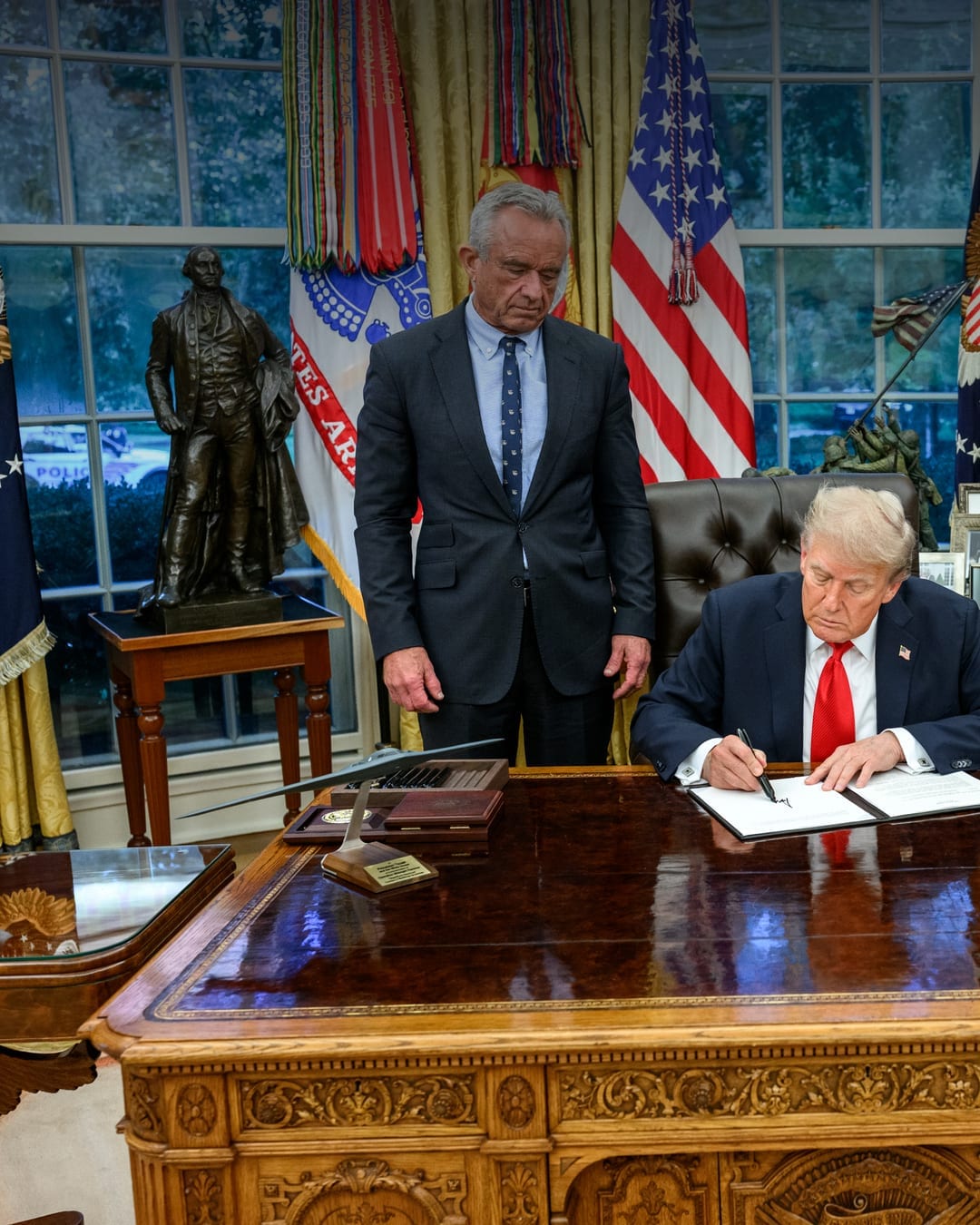 Photo: President Donald Trump signs an executive order in the Oval Office - Official White House photo / Wikimedia Commons, public domain.
What is confirmed
Confirmed: the White House has published the executive order and fact sheet. Confirmed: the order tells Treasury and regulators to identify suspicious patterns and consider stronger due-diligence and customer-identification rules.
Also confirmed: banking-industry and legal summaries read the order as a regulatory instruction aimed at financial-crime, immigration-status and credit-risk issues, not as a final regulation already in force.
What is not confirmed
Not confirmed: that banks are now under a universal order to close accounts solely because a customer is undocumented. Also not confirmed: that funds in those accounts can automatically be seized without the usual legal process, agency authority, financial-crime basis or court-tested procedure.
The order's own general provisions say implementation must be consistent with applicable law and that it does not create enforceable rights or benefits. That language does not eliminate enforcement risk, but it does show the document is built around agency action, not instant presidential seizure of private accounts.
Why it matters
If Treasury and regulators follow through aggressively, banks may face pressure to ask more immigration-status and work-authorization questions when other risk indicators are present. That could affect ITIN users, migrant workers, employers, labor brokers, remittance flows and lenders that serve noncitizen borrowers.
The risk for readers is overreading the social post and underreading the order. Trump's language signals the administration's intent. The legal mechanism still depends on advisories, guidance, rulemaking, bank compliance choices and possible litigation.
What to watch next
The next real checkpoints are Treasury's 60-day advisory, any CFPB or bank-regulator guidance, and the 90-day Bank Secrecy Act proposal. Watch whether agencies define red flags narrowly around fraud and trafficking or broadly enough that banks treat lawful-but-sensitive customer groups as compliance risks.
NoDechev status: real executive order, viral framing partly overstated. The order starts a regulatory process around due diligence and illicit-finance risk; it does not itself prove immediate blanket account shutdowns.
Also Read
Executive orders can move policy quickly, but many still require agency guidance, rulemaking and court-tested implementation.
Read the executive orders explainer ->