

 Image: Andy Beshear in Frankfort, 2025 — Department of Homeland Security / Tia Dufour, public domain via Wikimedia Commons.
- Andy Beshear is calling for term limits for U.S. Supreme Court justices.
- His line — “No more trying to put someone on for 40 years” — fits a wider Democratic push for 18-year active terms.
- The unresolved question is whether Congress could do it by statute or whether a constitutional amendment would be needed.
Kentucky Gov. Andy Beshear is putting Supreme Court term limits into his national democracy-reform pitch, arguing that lifetime appointments have turned every vacancy into a generational power fight.
The circulating line is direct: “No more trying to put someone on for 40 years.” Beshear’s broader point is that the federal system has become too distorted by lifetime judicial tenure, partisan redistricting and campaign-money rules for voters to trust that government is rotating power normally.
This is not a standalone Beshear bill. It is a political position from a Democratic governor whose national profile is rising ahead of 2028 speculation.
What happened
Beshear discussed Supreme Court term limits during a recent national media appearance on NBC’s Meet the Press. The Lexington Herald-Leader’s Road to 2028 tracker reported that Beshear called for term limits for U.S. Supreme Court justices and said people deserve better governance because the three federal branches have broken down.
Washington Examiner reporting on the same media swing said Beshear framed the idea as part of a broader “fix the darn country” constitutional amendment that could also address partisan redistricting and the Supreme Court’s Citizens United campaign-finance precedent.
That makes the quote politically important for two reasons: Beshear is not only criticizing the current Court; he is testing a reform package that could become part of a future national Democratic message.
What the policy means
The most common Supreme Court term-limit model is an 18-year active term for each justice, with one seat opening every two years. That would usually give each president two appointments per four-year term and reduce the lottery effect created by deaths, retirements and strategic timing.
President Joe Biden endorsed a version of that idea in 2024, pairing 18-year Supreme Court terms with a binding ethics code and a constitutional amendment on presidential immunity. The idea did not become law, but it moved from legal-policy circles into mainstream Democratic messaging.
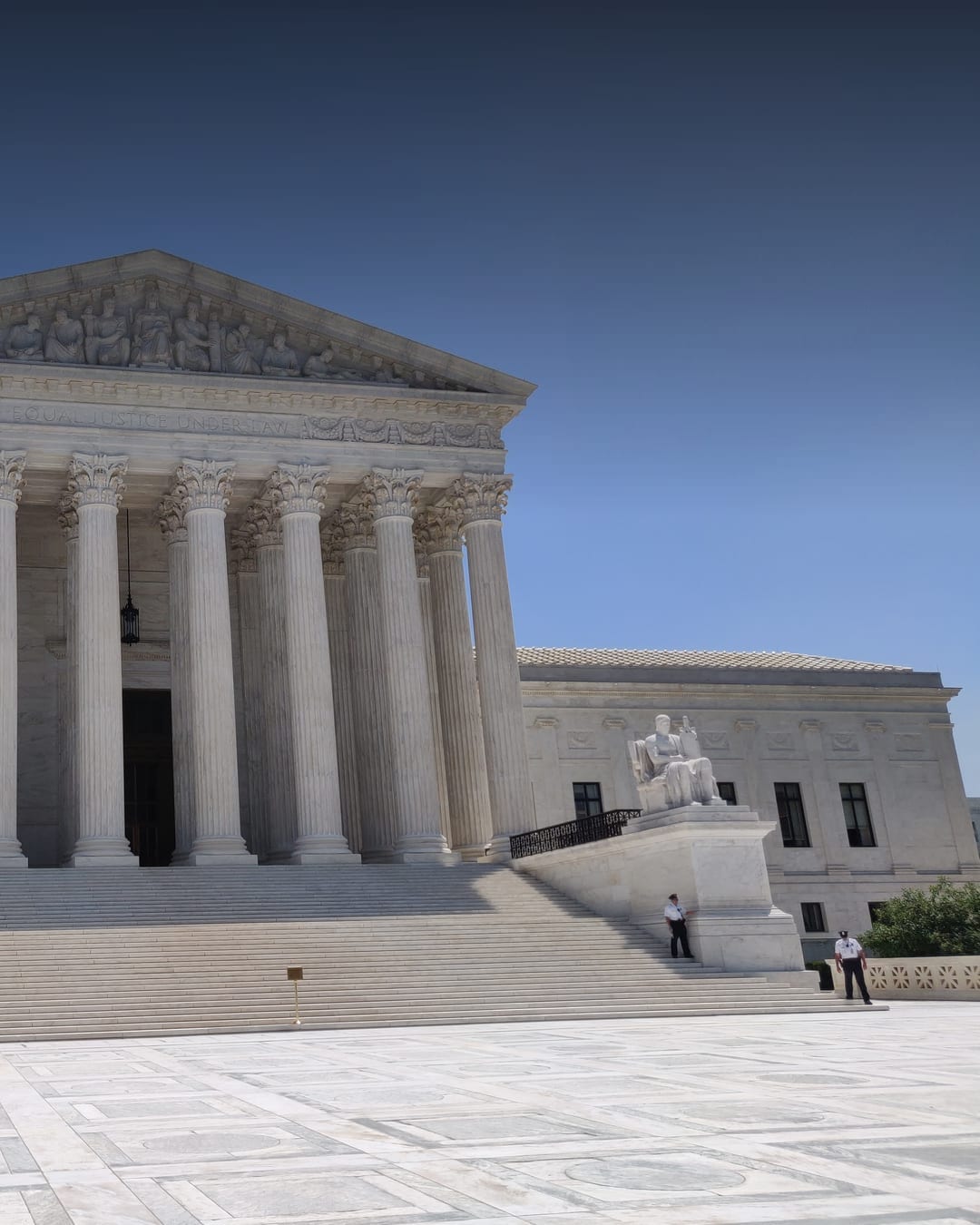 Image: U.S. Supreme Court Building — Kurt Kaiser, CC0 via Wikimedia Commons.
What is confirmed — and what is not
Confirmed: Beshear supports term limits for Supreme Court justices. Confirmed: he is tying the issue to a broader argument about democratic trust and institutional reform. Confirmed: 18-year active terms are the dominant version of the proposal in recent Democratic and legal-reform debates.
Not confirmed: there is no public Beshear-authored federal bill, and he is not currently in Congress. Also unresolved: whether term limits could survive as ordinary legislation or would require a constitutional amendment.
The Constitution says federal judges hold office during “good Behaviour,” language long understood to protect life tenure unless a judge resigns, retires, dies or is impeached and removed. Some reformers argue Congress could create 18-year active Supreme Court service while preserving life tenure through senior status or lower-court assignment. Critics argue any real limit on a justice’s Supreme Court service would need an amendment.
The political appeal is simple. The constitutional mechanics are not.
Why it matters
Supreme Court vacancies now carry unusually high political stakes. Donald Trump appointed three justices in one presidential term, helping lock in a conservative majority that has shaped abortion, administrative power, voting-rights and presidential-immunity cases.
Term-limit supporters argue regularized appointments would make the Court feel less like a lifetime prize and more like a predictable constitutional institution. Opponents argue the proposal is a partisan response to losing control of the Court and could weaken judicial independence.
Beshear’s value to Democrats is that he can deliver institutional reform language in a red-state, plain-spoken style. That does not make the policy easier to pass, but it does make it easier to campaign on.
What to watch next
Watch whether Beshear keeps the issue inside a broad “fix the country” message or starts endorsing a specific 18-year plan with transition rules. The details matter: grandfathering current justices, handling senior status and deciding whether the route is statute or amendment would determine whether this is a slogan or a legislative design.
Also watch whether other 2028 Democrats adopt the same frame. If Supreme Court reform becomes a primary litmus test, Beshear’s line may be an early signal of where the party’s institutional argument is heading.
Ready social post
Andy Beshear is backing Supreme Court term limits with a simple line: no more trying to put someone on the Court for 40 years. The idea is real and widely discussed. The hard part is whether it can be done by statute or needs a constitutional amendment.
Read next: James Talarico calls for 12-year limits in Congress