

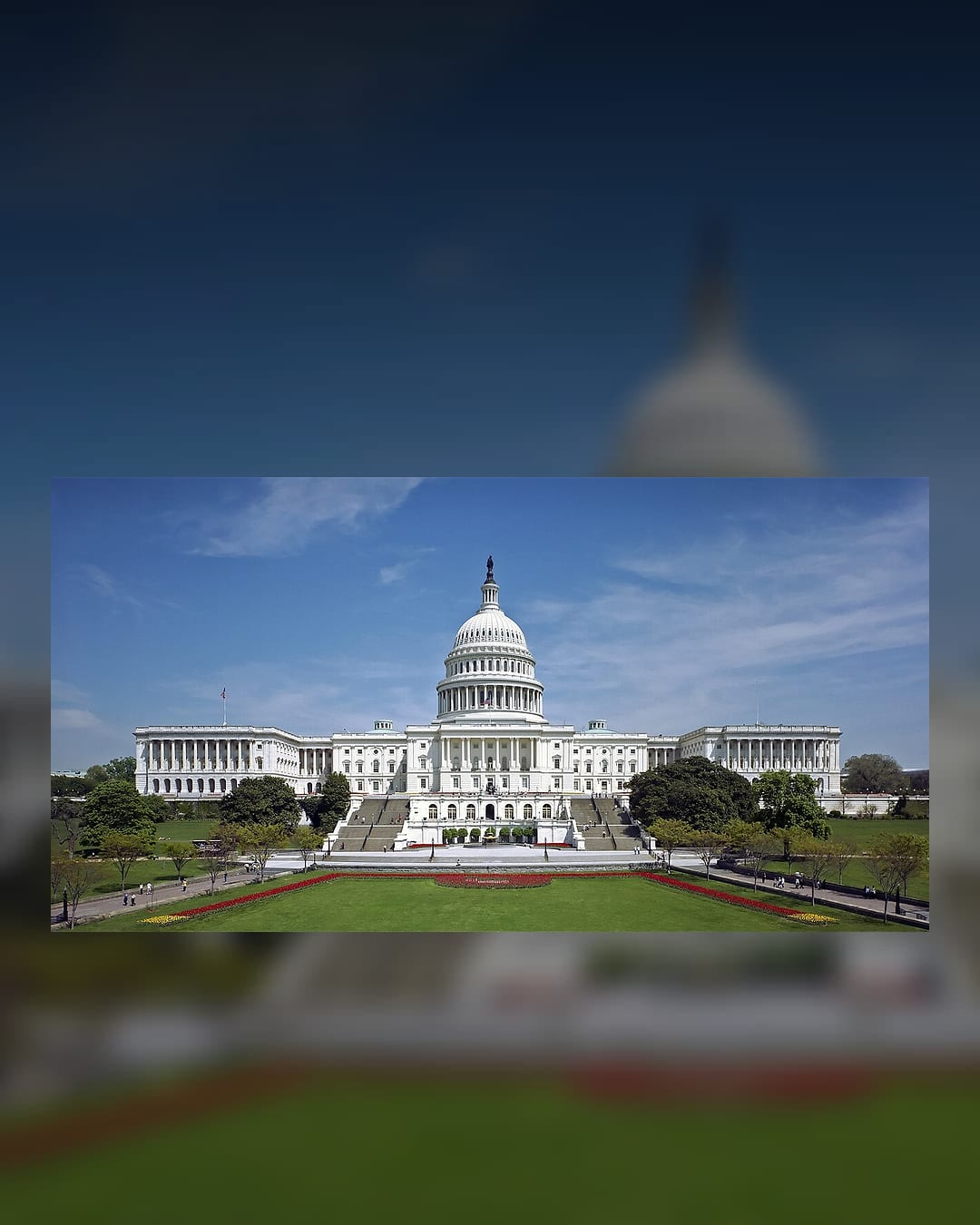
 Image: United States Capitol at dusk -- Wikimedia Commons.
- The SAVE America Act failed in the Senate on June 4 as an amendment to an immigration funding package.
- Multiple reports put the vote at 48-50, below the 60-vote threshold needed for the amendment.
- The bill would have required documentary proof of U.S. citizenship to register for federal elections and photo ID to vote.
- The failure blocks the Trump-backed proposal for now; it does not repeal existing state voter ID or registration rules.
The Trump-backed SAVE America Act failed in the Senate on Thursday, June 4, after Republicans tried to attach the election bill to a broader immigration funding package.
The clean read is procedural: this was not the bill becoming law, and it was not a final nationwide referendum on voter ID. It was a failed Senate amendment vote. Reports from NPR/KPBS and Fox News say the proposal fell short after months of pressure from President Donald Trump and House Republicans.
What happened
NPR, carried by KPBS, reported that the SAVE America Act “officially failed in the Senate” after being voted on as an amendment during debate over an immigration funding package. Fox News reported the amendment failed 48-50, below the 60 votes needed.
Fox said four Republicans joined Democrats in blocking the amendment: Susan Collins of Maine, Lisa Murkowski of Alaska, Mitch McConnell of Kentucky and Thom Tillis of North Carolina. The result leaves the House-passed election measure stalled again in the Senate.
What the bill would have done
The SAVE America Act is the 2026 House-amended version of the Safeguard American Voter Eligibility Act. Congress.gov shows the House passed S.1383, as amended, on February 11 by 218-213, then sent the House amendment back to the Senate.
The core policy is documentary proof of U.S. citizenship for federal voter registration. The bill text says an applicant “shall not be registered to vote” in a federal election unless the person presents documentary proof of U.S. citizenship. Accepted documents include a passport, certain birth records, a naturalization certificate, or another government-issued citizenship document.
The 2026 version also went beyond registration. NPR/KPBS reported it would have required photo identification to cast a ballot and required states to submit voter lists to a Department of Homeland Security tool that critics say can wrongly flag U.S. citizens.
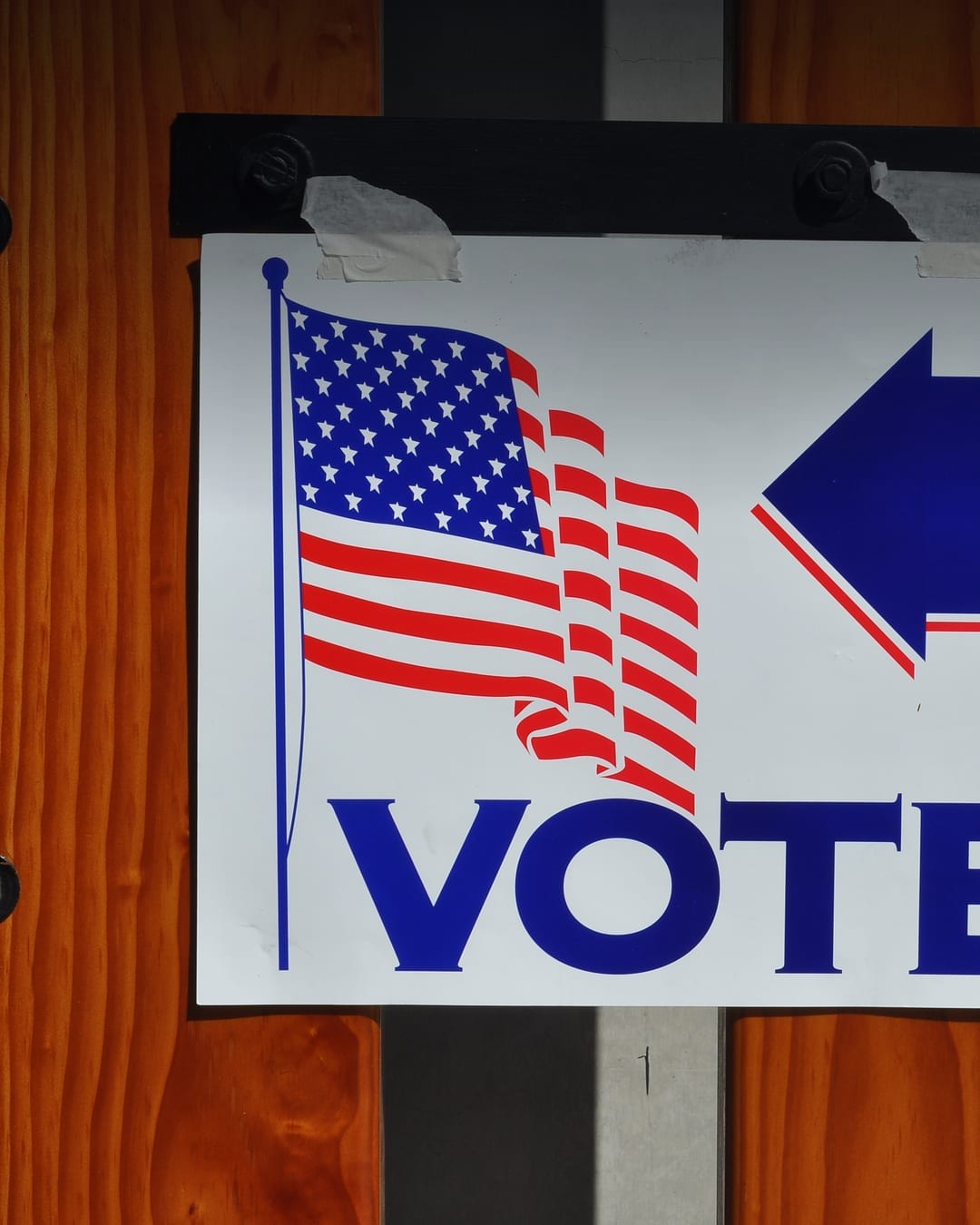 Image: U.S. voting station with an American flag -- Tom Arthur / Wikimedia Commons, CC BY-SA 2.0.
What is confirmed
Confirmed: the House passed the SAVE America Act version of S.1383 in February, 218-213, according to Congress.gov.
Confirmed by multiple reports: the Senate effort failed on June 4 as an amendment vote. The reported vote was 48-50, short of the 60-vote threshold.
Confirmed by bill text: the proposal would have imposed a federal documentary proof-of-citizenship requirement for voter registration.
What is being overstated
The claim “the SAVE Act is dead forever” is too strong. A failed amendment blocks this path, but Congress can reintroduce language, attach it to another vehicle, or make it part of a future rules fight.
The claim “the Senate made noncitizen voting legal” is also false. Noncitizens are already barred from voting in federal elections. The dispute is over whether Congress should require documentary proof at registration and nationalize more election-administration rules.
Why it matters
Supporters frame the bill as election integrity legislation: proof of citizenship, voter ID and stronger registration checks. Opponents frame it as a “show your papers” barrier that could block eligible voters who do not have ready access to passports, birth certificates or matching documents after a name change.
The Senate failure matters because Trump made the bill a public priority and even pressed Republicans to treat it as a must-pass item before other legislation. Senate Majority Leader John Thune had already signaled the math problem: under current Senate rules, the proposal needed 60 votes, not just a bare Republican majority.
What to watch next
The next signal is whether Republicans try again by attaching SAVE Act language to another must-pass bill, or whether pressure shifts toward changing the filibuster. NPR/KPBS noted that the larger debate may outlast the vote itself, because the bill pushed Republicans toward a more nationalized vision of election rules.
For now, the status is simple: the House-passed SAVE America Act has not become law, and the latest Senate route failed.
NoDechev rating: verified Senate failure, not final repeal. The 48-50 amendment vote blocked the bill for now, but the broader fight over proof-of-citizenship registration rules is still active.
Also Read
For another congressional vote where procedure changes the headline, read the House Ukraine Support Act brief.
Read the Ukraine Support Act brief ->