

 Image: White House / Wikimedia Commons.
- NBC News reports that DIA raised Israel’s counterintelligence threat level to “critical,” citing two U.S. officials and one former U.S. official.
- The reported concern is Israeli surveillance of senior U.S. officials and internal Trump administration deliberations on Middle East conflicts.
- Israel called the claim false, the Pentagon declined to comment and a White House official disputed the story.
The viral claim that the U.S. raised the threat of Israeli spying “to the highest level” is based on a new NBC News report, not just an old recirculated quote about Israeli espionage.
NBC reported late Friday that the Pentagon’s Defense Intelligence Agency recently raised Israel’s counterintelligence threat assessment to “critical,” citing two current U.S. officials and one former U.S. official. The outlet said one current official had viewed an internal DIA message describing the change.
What happened
According to NBC, the DIA issued the new assessment in recent weeks as Washington and Jerusalem were increasingly split over Iran and Lebanon. The report says the concern inside the Pentagon is that Israel is trying to collect insight into senior U.S. officials and the Trump administration’s private decision-making on Middle East conflicts.
The “highest level” phrase refers to that reported internal counterintelligence scale. It does not mean the U.S. publicly declared Israel a terrorist threat, sanctioned Israeli officials or ended the intelligence-sharing relationship.
What the report says
NBC says the DIA assessment includes a seven-page document and a chart, and that Israel’s ability to conduct human espionage and technical collection was assessed at a “critical level.” The report also says the assessment listed specific incidents that increased U.S. concern, though those incidents were not publicly detailed.
The immediate context matters. NBC ties the reported change to friction between President Donald Trump and Prime Minister Benjamin Netanyahu over whether to resume major combat operations against Iran, how far to press Hezbollah in Lebanon and whether U.S. and Israeli objectives are beginning to diverge.
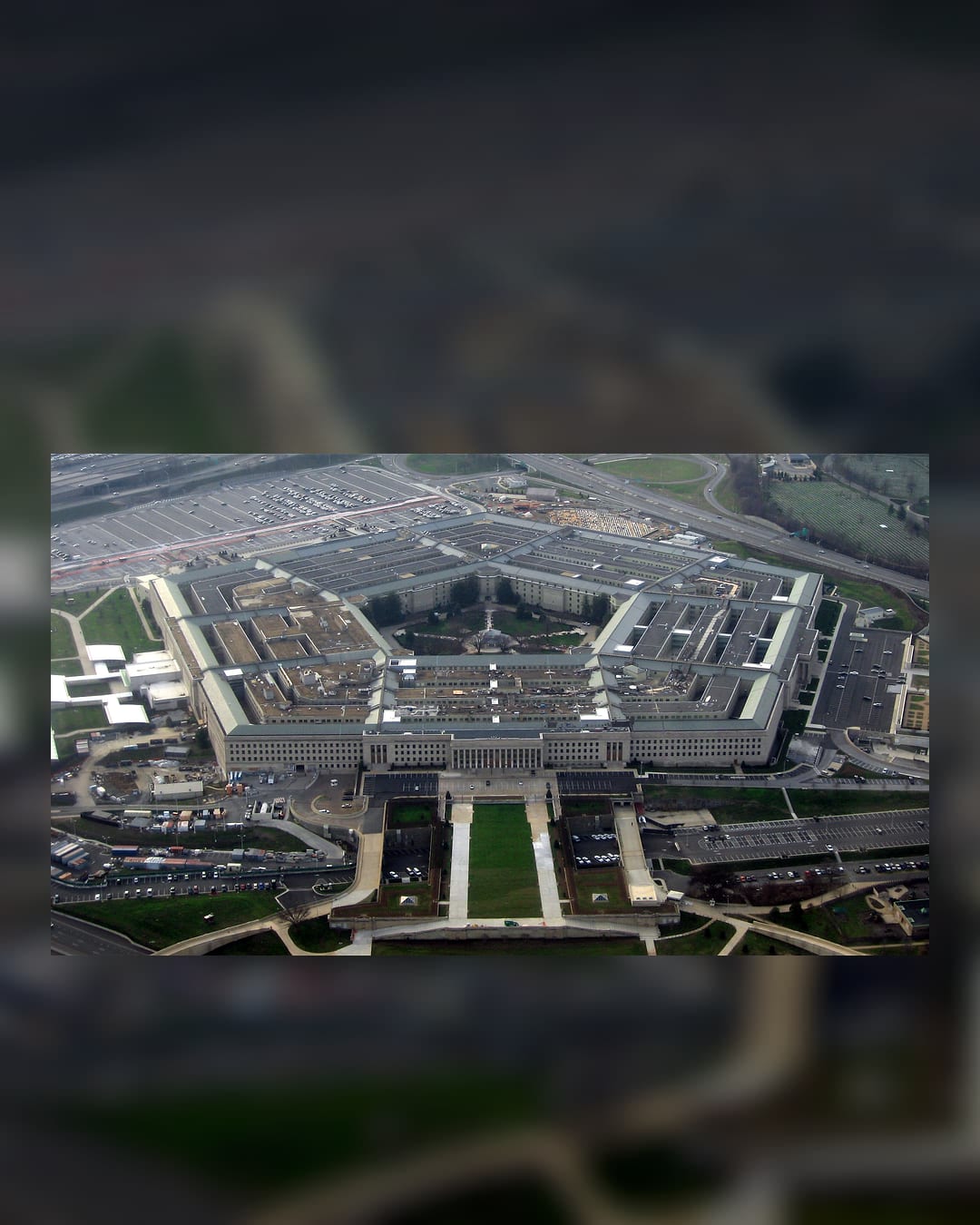 Image: The Pentagon in Arlington, Virginia - U.S. Department of Defense / Wikimedia Commons.
What is confirmed and not confirmed
Confirmed: NBC published the report on June 6, 2026 UTC; it attributes the information to current and former U.S. officials; Israel denied spying on American entities or U.S. government officials; the Pentagon declined to comment; and the White House disputed the story.
Not confirmed: the underlying DIA document has not been made public, the specific incidents behind the alleged assessment are not visible, and the report does not show that any particular Israeli operation successfully penetrated U.S. decision-making.
Why it matters
This is sensitive because the U.S. and Israel share intelligence daily while also watching each other closely. Allied espionage is not unusual, but a “critical” designation would signal a sharper Pentagon concern at a moment when the two governments are not fully aligned on Iran-war strategy.
The practical effect, according to NBC’s sourcing, is likely more caution by U.S. officials traveling to Israel or meeting Israeli officials. That can mean burner devices, tighter meeting discipline and more careful handling of conversations, rather than an immediate collapse in security cooperation.
What to watch next
Watch whether another major outlet matches the NBC reporting, whether lawmakers ask DIA or ODNI for briefings, and whether any official document or congressional testimony confirms the “critical” designation. Also watch whether the story becomes part of the wider Trump-Netanyahu friction over Iran and Lebanon.
NoDechev rating: sourced report, disputed by officials. The viral “highest level” line tracks NBC’s reporting, but readers should treat it as an anonymously sourced internal assessment, not public proof of a specific spy operation.
Ready social post
NBC reports that DIA raised Israel’s counterintelligence threat level to “critical,” citing U.S. officials. Important caveat: Israel and the White House deny the story, the DIA document is not public, and this is not the same as proof of a specific successful spy operation.
Read next: Trump-Netanyahu friction over Lebanon