
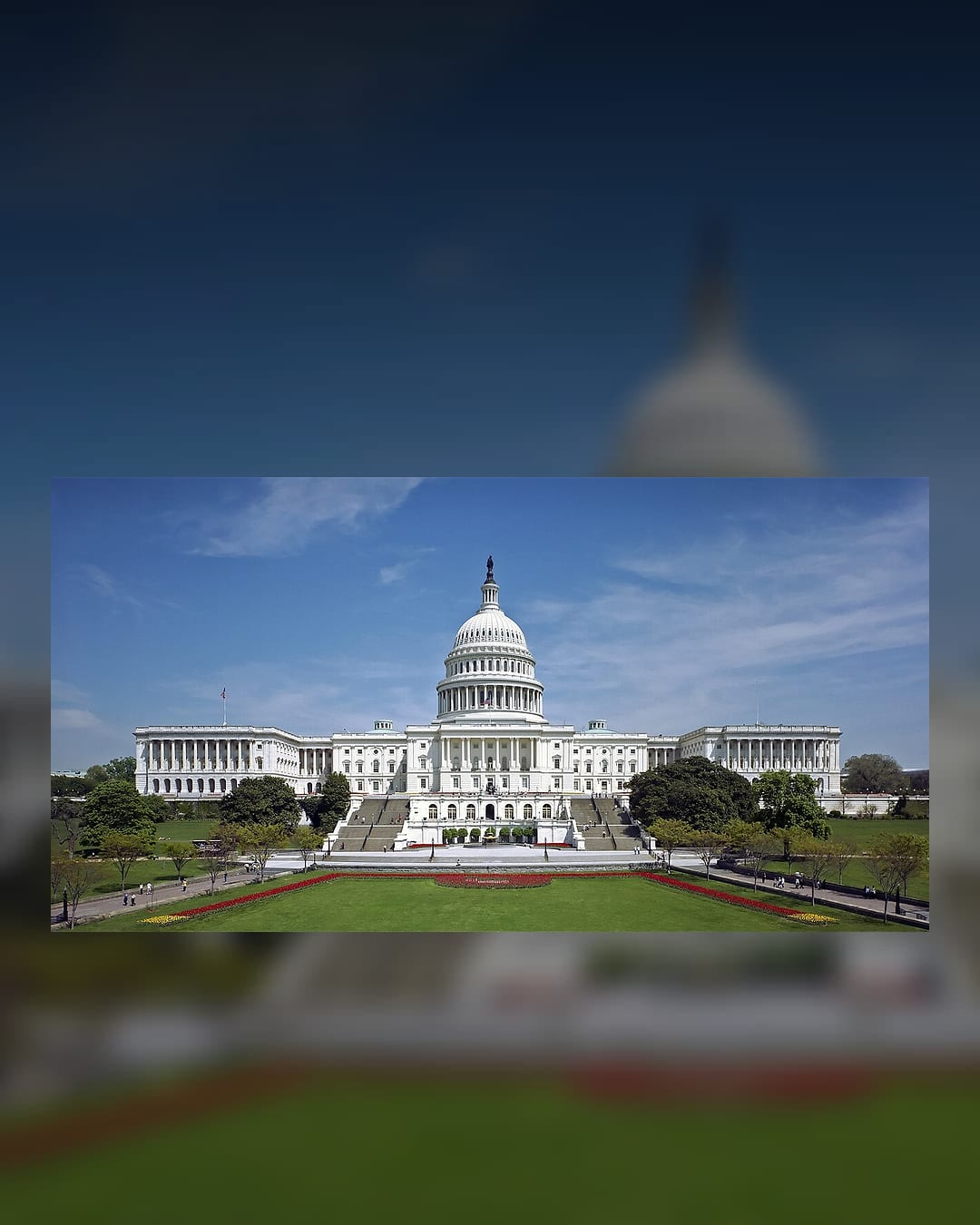
 Image: United States Capitol - Wikimedia Commons, public domain.
- The House is in session on June 3 and is expected to vote on an Iran War Powers measure, H.Con.Res. 75.
- The resolution directs Trump to remove U.S. forces from hostilities against Iran unless Congress authorizes the engagement or U.S. forces are defending against an imminent attack.
- The White House opposes the measure and says Iran hostilities terminated after the April 7 ceasefire.
The House is expected to vote on an Iran War Powers measure that would direct President Donald Trump to end unauthorized U.S. military engagement against Iran, according to the current source trail around H.Con.Res. 75.
This is a process story, not a result story yet. The House Clerk lists the chamber as in session on June 3, 2026. Axios reported that the House schedule includes an Iran war powers vote this week, while previous reporting said Republican leaders delayed a similar vote in May after it became clear they might lack the votes to defeat it.
What happened
The measure is H.Con.Res. 75, formally titled a resolution directing the president, pursuant to section 5(c) of the War Powers Resolution, to remove U.S. forces from hostilities against the Islamic Republic of Iran.
The text was introduced in March and targets U.S. military action connected to the Iran conflict that began earlier this year. The operative idea is simple: unless Congress has declared war, passed a specific authorization for military force, or U.S. troops are acting to defend against an imminent attack, the president should remove U.S. forces from hostilities against Iran.
That makes the vote a congressional check on the Trump administration's Iran campaign. It does not by itself settle the war, the ceasefire status, the nuclear track, or U.S. force posture in the region.
What the measure says
The published text directs the president to remove U.S. armed forces from hostilities against Iran that have not been authorized by Congress. It includes a carveout for defending against an imminent attack on the United States, U.S. territories, possessions or armed forces.
That language is standard War Powers territory: Congress is asserting that the president cannot keep U.S. forces in hostilities indefinitely without legislative authorization. Supporters frame it as restoring Congress's constitutional role over war. Opponents frame it as limiting presidential flexibility during an unstable Iran track.
 Image: Iran Ministry of Foreign Affairs central building in Tehran - GTVM92 / Wikimedia Commons, CC BY-SA 4.0.
What is confirmed/not confirmed
Confirmed: the House is in session on June 3. Confirmed: H.Con.Res. 75 exists as a published War Powers measure. Confirmed: the White House has issued a Statement of Administration Policy opposing it. Confirmed: Axios has reported House leaders planned to bring the Iran measure back after delaying it in May.
Not confirmed at publication time: the final roll-call result. Until the Clerk posts a recorded vote, the clean wording is "House set to vote" or "House expected to vote," not "House passed" or "House rejected."
Why it matters
The vote is politically important even if it fails. Earlier Iran war powers votes have been close, and Axios reported that Republican leaders previously pulled a vote because absences could have allowed the measure to pass. That means the vote is not only a symbolic protest; it tests how much congressional support remains for Trump's Iran policy.
The White House's own position also sharpens the dispute. Its policy statement argues that the hostilities that began on February 28 terminated with Trump's April 7 ceasefire order and says the measure should be rejected because Iran still poses national security threats. Democrats and war-powers supporters argue that Congress should not let the executive branch define the war as over while military engagement and regional risk continue.
What to watch next
Watch the Clerk's roll-call page, the final vote margin, and which Republicans cross over. Also watch whether Democratic leaders treat the result as a one-off protest vote or part of a larger campaign to force repeated Iran war-powers votes.
The clean read: the House is moving toward another Iran War Powers vote. The substance is about whether Trump can keep U.S. forces engaged against Iran without a fresh congressional authorization. The result still has to be verified from the official roll call.
NoDechev status: scheduled congressional vote / War Powers process brief. Update when the Clerk posts the roll call.
Also Read
The war-powers fight sits next to the unresolved U.S.-Iran ceasefire and nuclear framework track.
Read the Trump-Iran nuclear claim-check