

- Russia says Ukraine broke an IAEA-brokered local ceasefire with an attack near the Zaporizhzhia nuclear plant.
- The local ceasefire was meant to let repair work proceed on external power lines serving the plant.
- IAEA reporting confirms damage consistent with a drone impact, but does not publicly assign responsibility.
- Ukraine has denied striking the plant and has repeatedly accused Russia of using it as a military shield.
Russia says Ukraine violated an IAEA-brokered ceasefire near the Zaporizhzhia nuclear plant, claiming an attack took place around the area where repair work was supposed to proceed. The claim is serious because Zaporizhzhia is Europe's largest nuclear power station and has spent much of the war operating under degraded safety conditions.
The key distinction is attribution. Russia is making the accusation. IAEA-linked reporting supports that damage was found near the plant and that the damage was consistent with a drone impact. But the public evidence available so far does not independently establish that Ukraine carried out the strike.
What happened
The IAEA helped arrange a local ceasefire in the Zaporizhzhia area so workers could repair external power lines serving the nuclear plant. Anadolu reported earlier that Ukraine and Russia agreed to a local ceasefire around the plant area under IAEA involvement, with the aim of enabling repair work and reducing nuclear-safety risk.
Russia now says that ceasefire was broken by a Ukrainian attack. AP's coverage of the latest incident says Russian officials accused Ukraine after a drone-related impact damaged part of the site. Ukraine rejected responsibility, and the IAEA did not publicly blame either side.
What the evidence says
World Nuclear News reported that IAEA experts observed damage to the exterior wall of a turbine building and that the damage was consistent with the impact of a drone. That is an important confirmation of physical damage. It is not the same as a confirmed attribution of responsibility.
The plant has been under Russian control since early in the full-scale invasion, while Ukrainian personnel and international monitors have continued to be central to safety reporting. Both sides have repeatedly accused the other of attacks around the plant, and IAEA statements have generally emphasized restraint without assigning blame unless evidence is clear.
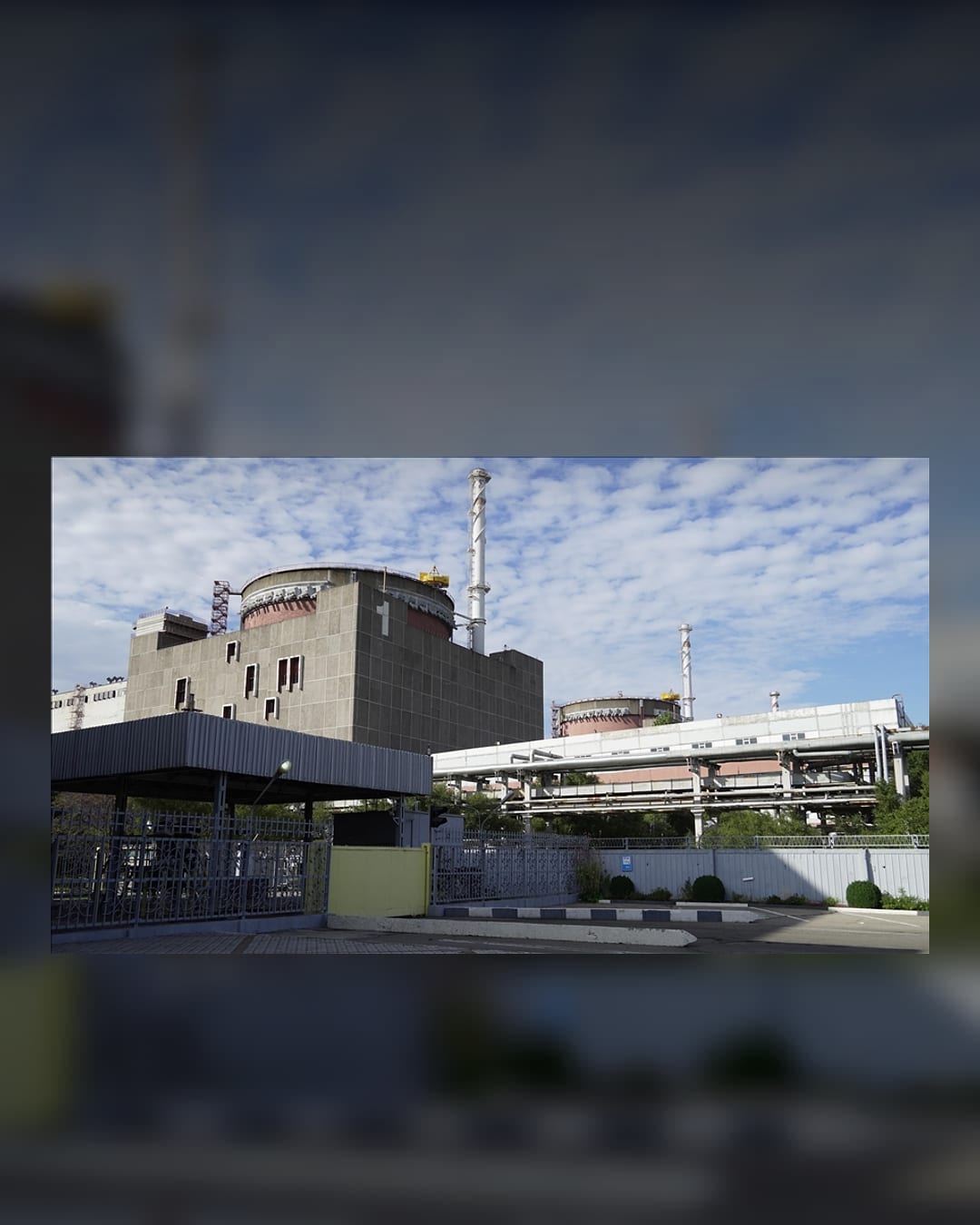 Image: Zaporizhzhia Nuclear Power Plant -- Anadolu Agency source image.
What is confirmed
It is confirmed that the IAEA has been involved in arranging local security conditions for repair work near the plant. It is confirmed that damage consistent with a drone impact was observed. It is also confirmed that Russia blamed Ukraine and that Ukraine denied carrying out the attack.
It is further confirmed that the plant remains dependent on fragile external power arrangements. That matters because even when reactors are shut down, nuclear fuel and safety systems still need reliable cooling and electricity.
What is not confirmed
It is not confirmed from public IAEA reporting that Ukraine launched the drone. It is also not confirmed that the incident created an immediate radiological emergency. The risk here is cumulative: repeated attacks, damaged infrastructure, and interruptions to power-line repairs keep the plant in a dangerous operating environment.
Why it matters
A ceasefire around a nuclear plant is not a symbolic pause. It exists so workers can restore infrastructure that reduces the chance of a larger safety event. If either side breaks it, the effect is not only military; it weakens the safety margin around a nuclear site that has already been through shelling, occupation, blackouts and emergency diesel-generator reliance.
The political incentive is also obvious. Russia benefits from framing Ukraine as reckless around a nuclear plant. Ukraine benefits from arguing that Russia's occupation and militarization of the facility are the root danger. The reader should therefore separate the confirmed event from the unproven blame line.
What to watch next
Watch for the next IAEA update, whether repair crews resume work, and whether the agency says external power-line reliability has improved. Also watch whether Russia produces verifiable strike evidence, and whether Ukraine provides a more detailed denial or counter-claim about Russian activity near the plant.
NoDechev rating: real incident, disputed attribution. Russia's accusation is real; IAEA-linked evidence confirms damage consistent with a drone impact, but public sources do not independently prove Ukraine was responsible.
Also Read
For background on attribution and evidence standards in ceasefire claims, read the NoDechev explainer.
Read the ceasefire verification explainer ->