

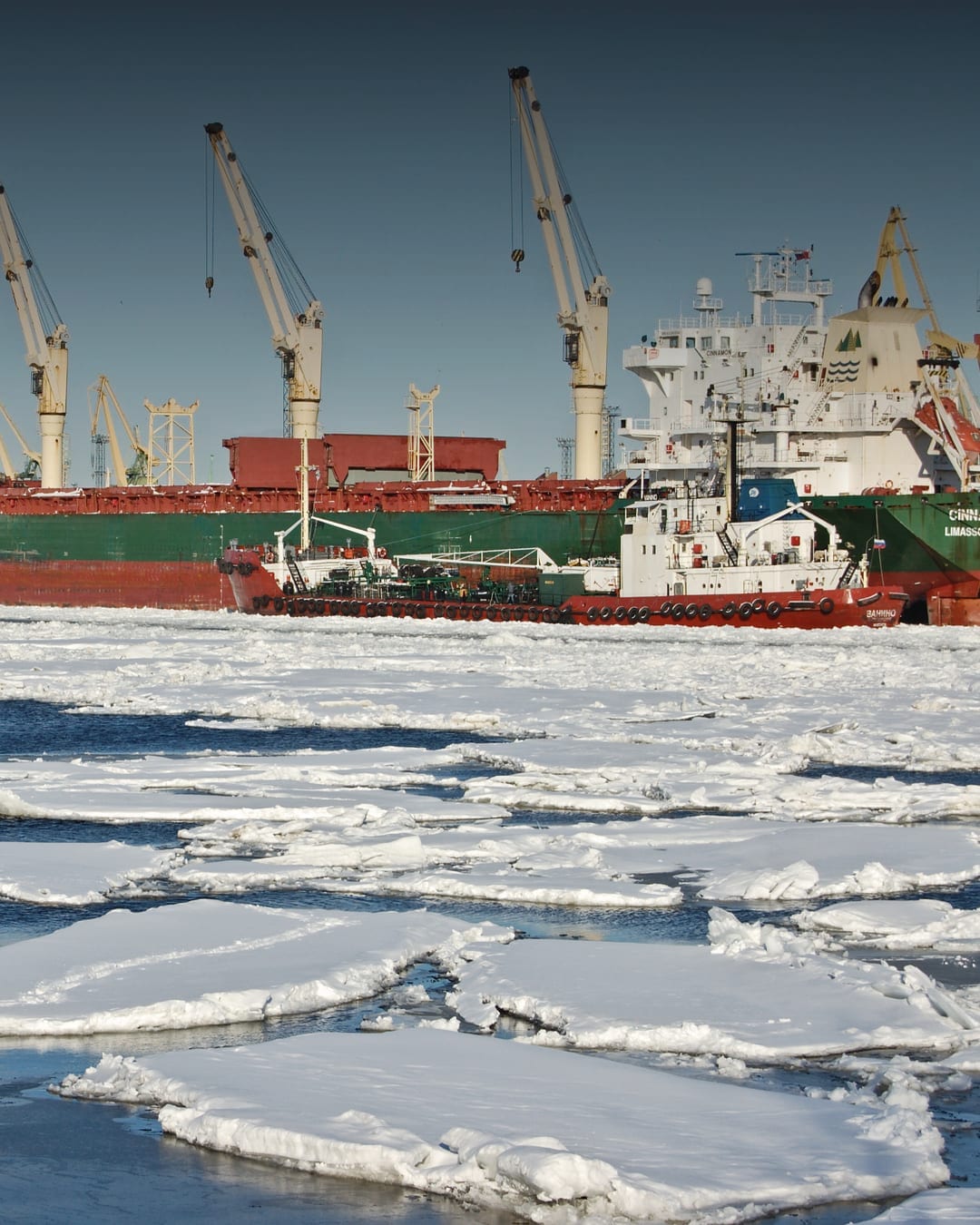
 Image: Second district of Big Port Saint Petersburg - Wikimedia Commons, CC BY-SA 4.0.
- Interfax Russia reported June 3 that Russia's Defense Ministry said air defenses destroyed 354 Ukrainian fixed-wing drones overnight.
- The figure is a Russian military claim. NoDechev has not independently verified the number of drones launched or intercepted.
- AP separately reported Ukrainian long-range drones hit an oil terminal in St. Petersburg, while Russian authorities acknowledged a strike on city infrastructure without detailing the target.
Russia's Defense Ministry says its air defenses destroyed 354 Ukrainian drones overnight, according to Russian state and wire-linked reporting on June 3.
The number should be handled carefully. It is a Russian military claim, not an independently verified count. In fast-moving drone-war stories, totals often come from one side's defense ministry, then get repeated by aggregators without the caveat.
What happened
Interfax Russia reported at 7:39 a.m. local time that the Russian Defense Ministry said air-defense systems destroyed 354 Ukrainian fixed-wing drones overnight. Channel One also reported the same overnight total, citing Russia's Defense Ministry.
The Russian claim came as Ukraine said its long-range drones had struck an oil terminal in St. Petersburg. AP reported that President Volodymyr Zelenskyy said the drones flew more than 1,000 kilometers to hit the terminal, while Russian authorities said only that infrastructure in the city had been targeted.
What the data says
The strongest sourced number for June 3 is 354, attributed to Russia's Defense Ministry. That is different from higher figures circulating in some reposts and aggregator results. The clean wording is therefore "Russia says it downed 354 drones overnight," not "Russia downed 354 drones" as a verified fact.
Ukrainska Pravda separately reported that Ukraine's air defenses said they shot down 189 of 198 Russian drones launched at Ukraine overnight. Together, the two claims show the scale of the drone exchange, but they do not independently verify each other.
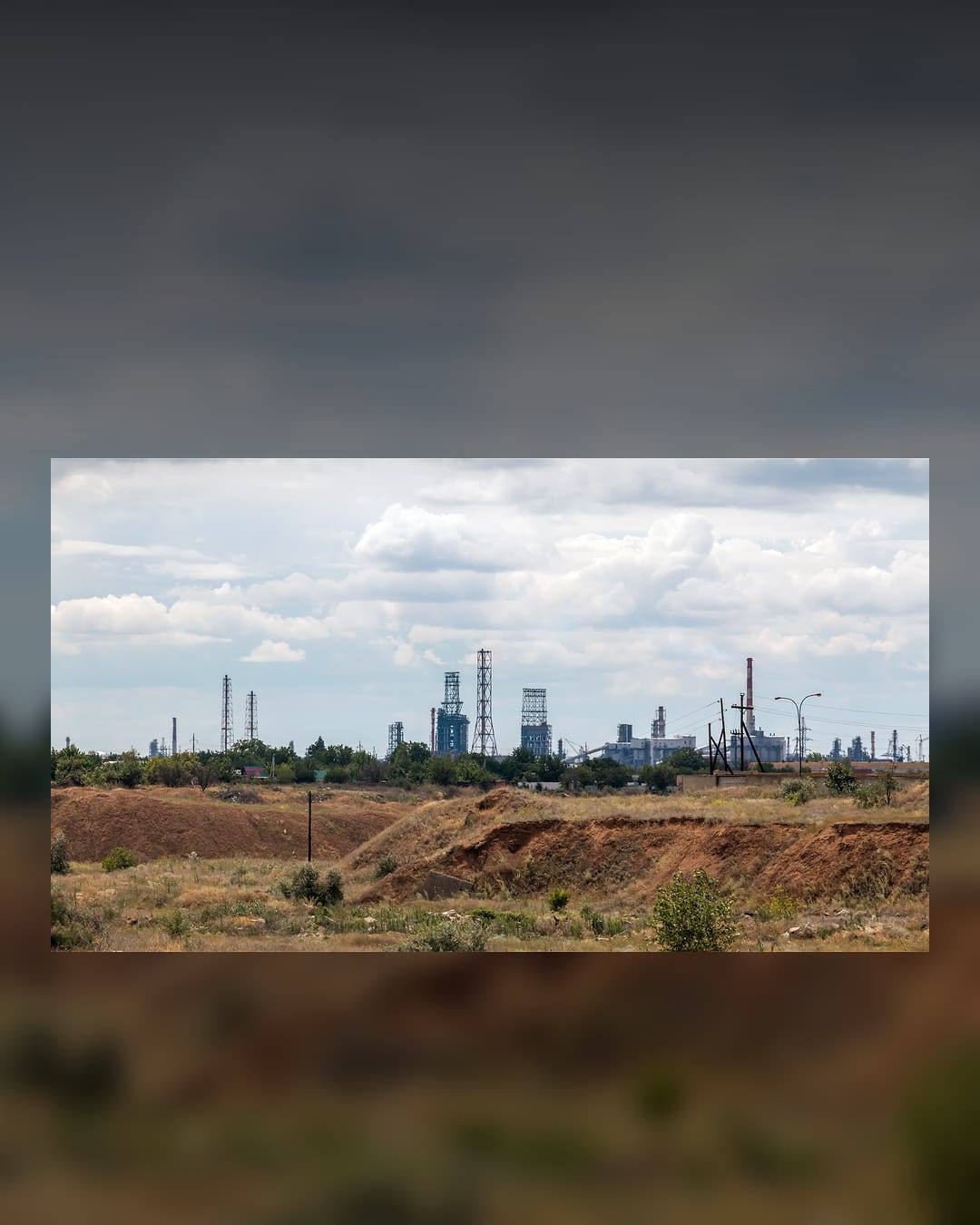 Image: Volgograd oil refinery - Wikimedia Commons, local normalized asset.
What is confirmed/not confirmed
Confirmed: Russian outlets reported the 354 figure as a Defense Ministry statement. Confirmed: St. Petersburg's airport briefly suspended flights overnight, and AP reported visible smoke from the city's port area after the Ukrainian drone strike.
Not confirmed from public evidence reviewed here: the exact number of Ukrainian drones launched, how many were intercepted, how many reached targets, and the full damage assessment at the oil terminal. Battlefield and air-defense figures from either side should be treated as claims unless backed by independent evidence.
Why it matters
Large drone salvos are now a central feature of the Russia-Ukraine war. Ukraine is trying to hit energy, logistics and military infrastructure deep inside Russia, while Russia continues near-nightly drone and missile attacks on Ukrainian cities and infrastructure.
The St. Petersburg angle matters because the city is hosting a major economic forum and is symbolically important to President Vladimir Putin. A strike there carries political weight even if the full military impact is still unclear.
What to watch next
Watch for satellite imagery, port statements, local emergency-service updates, and any Ukrainian confirmation of target type. Also watch whether Russian authorities revise the overnight count or publish a region-by-region breakdown that can be compared with local reports.
The clean read: the June 3 number is 354 in the Russian MoD-linked source trail, and it should be written as a Russian claim. The impact of the drone wave depends on what actually hit, not only how many drones Russia says it intercepted.
NoDechev status: official-side military claim with wire/local corroboration for the context, not independent confirmation of the interception total.
Also Read
Drone-war claims often require separating an official military count from independently visible damage.
Read the ceasefire verification explainer ->