

 Image: Zelenskyy inspecting Ukrainian long-range drones with Denmark's prime minister, 2024 - President of Ukraine / Wikimedia Commons, CC0.
- Zelensky said Ukrainian forces can now reach Russian military logistics across virtually all temporarily occupied Ukrainian territory.
- He linked the claim to fuel shortages in Crimea and other occupied regions, plus strikes on 15 Russian oil refineries from January to May.
- Reuters, Kyiv Independent and Kyiv Post reported the statement, but the exact logistics coverage is still a Ukrainian official claim.
President Volodymyr Zelensky says Ukraine's military can now reach Russian logistics across almost the entire depth of Russian-occupied Ukrainian territory, a claim that points to a broader Ukrainian effort to make Moscow's rear areas less usable.
In his June 1 address, Zelensky said there are "practically no safe roads" for Russian forces in Ukraine's south and east. He tied that to fuel shortages in Crimea and other occupied areas, and said Ukraine's long-range campaign had hit 15 Russian oil refineries between January and May.
What happened
The statement came as Ukraine continues expanding what Kyiv calls its middle-strike and long-range strike campaign: attacks against logistics routes, fuel supplies, depots, command posts, air-defense systems and other military infrastructure behind the front line.
Reuters reported that Zelensky said Ukraine could hit Russian logistics throughout occupied areas and that Ukrainian actions had contributed to fuel shortages in Crimea and other Russian-held regions. Kyiv Independent and Kyiv Post carried the same core claim from Zelensky's address.
What the data says
The strongest number in the address was not a map coordinate. It was the refinery count: Zelensky said Ukrainian forces struck 15 Russian oil refineries from January through May and claimed nearly 40 percent of Russia's primary oil-refining capacity was offline as of May.
Those figures come from Ukraine's president and should be treated as official Ukrainian claims unless independently verified plant by plant. Still, the broader pattern is visible: Russia has faced repeated drone attacks on oil, fuel and logistics infrastructure, while Russian-installed officials in Crimea have reported gasoline restrictions and rationing.
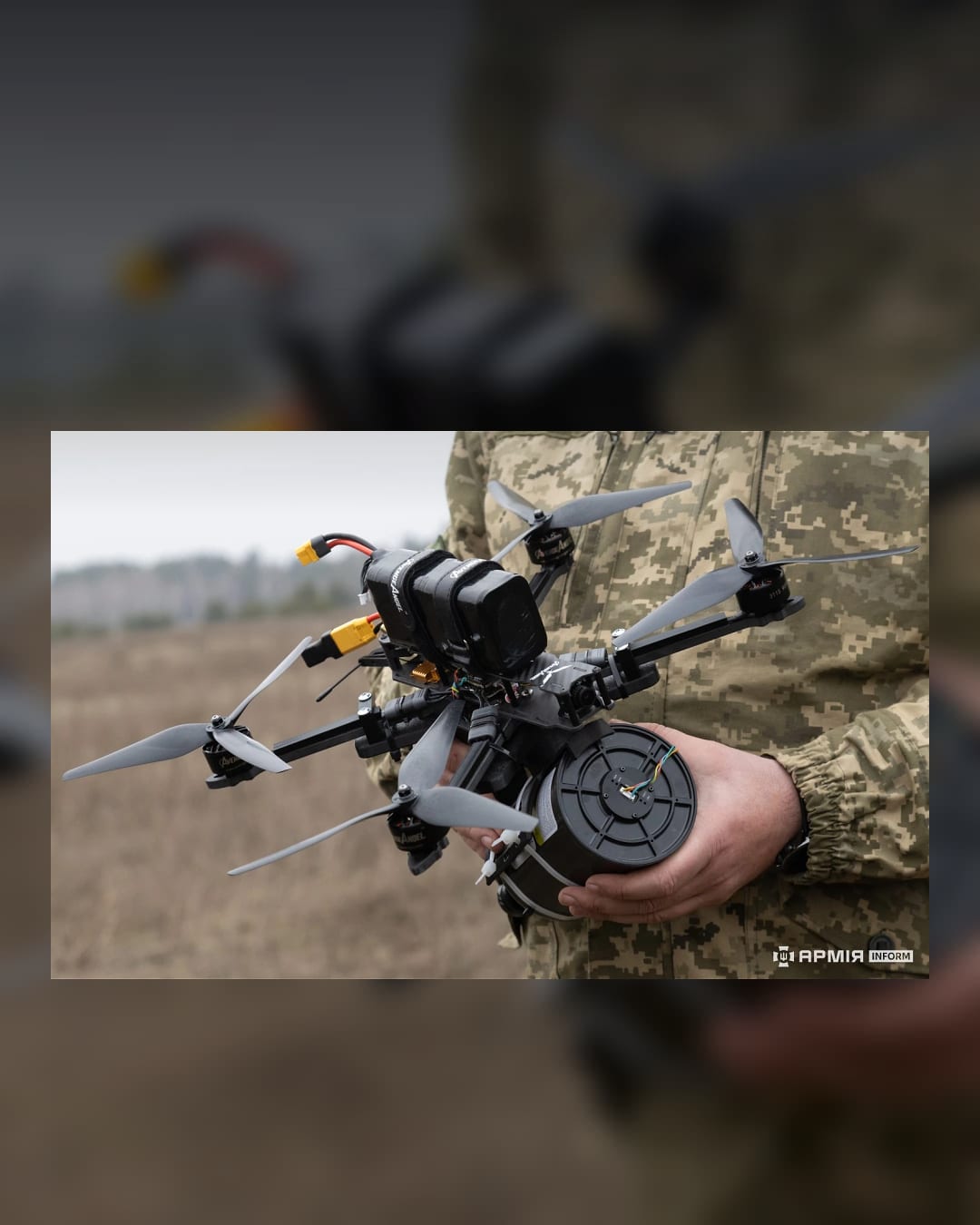 Image: Ukrainian FPV drone - Wikimedia Commons / ArmyInform, CC BY 4.0.
What is confirmed
It is confirmed that Zelensky made the statement publicly through his official Telegram channel on June 1, 2026. It is also confirmed that Reuters and major Ukraine-focused outlets reported the claim as a presidential statement.
It is confirmed that Ukraine has been scaling drone and deep-strike attacks against Russian logistics and fuel infrastructure. Recent reporting has described Ukrainian drones pressuring the land corridor toward Crimea, supply routes in occupied Luhansk, and fuel infrastructure inside Russia.
What is not confirmed
There is no independent public battlefield map showing that every Russian route across occupied Ukraine is under continuous Ukrainian fire control. Zelensky's wording is a capability and pressure claim, not proof that all Russian logistics movement has stopped.
There is also no complete independent verification of the 40 percent refinery-capacity figure in the public reporting reviewed. Russia has not fully confirmed Ukraine's damage assessments, and Moscow often frames strikes as intercepted drones or debris-related fires.
Why it matters
Russia's campaign depends on moving fuel, ammunition, troops and repair capacity through occupied territory toward the front. If Ukraine can repeatedly hit the roads, rail corridors, depots and fuel points behind Russian lines, the effect is not just symbolic. It slows rotations, raises transport risk, forces detours and can make front-line attacks harder to sustain.
The Crimea fuel angle is especially important. Crimea is both a military hub and a political symbol for Moscow. Fuel restrictions there suggest that Ukraine's pressure on supply routes is reaching beyond battlefield headlines and into the practical administration of occupied territory.
What to watch next
The next signals are whether fuel rationing expands in Crimea, whether Russia shifts supply routes away from exposed corridors, whether Ukraine publishes more strike footage from occupied Luhansk, Donetsk, Zaporizhzhia or Kherson, and whether independent analysts can verify damage to specific roads, depots and refineries.
The clean read: Zelensky is saying Ukraine's drone and strike network has made Russia's occupied rear much less safe. The claim is plausible in direction, but the exact scale still needs source-by-source verification.
NoDechev rating: verified statement, operational caveat. Zelensky publicly made the capability claim; the full depth and continuity of Ukrainian logistics coverage remain independently unproven.
Also Read
This logistics story sits inside Ukraine's broader long-range strike campaign against Russian oil, fuel and military infrastructure.
Read: Zelensky's long-range sanctions framing ->