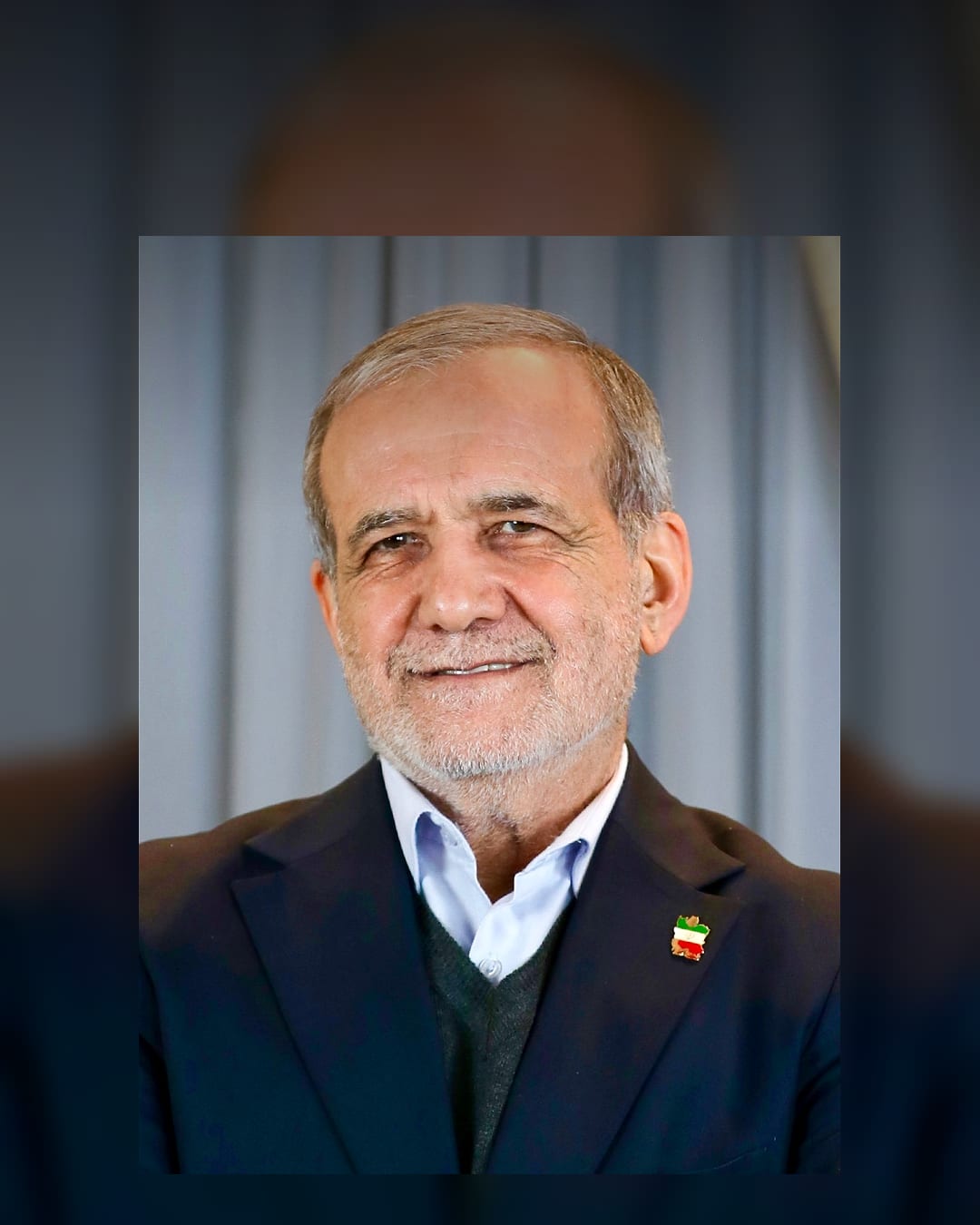
 Image: Iranian President Masoud Pezeshkian, 2025 file image via Wikimedia Commons.
- Pezeshkian says Iran will not give up its claimed right to enrich uranium.
- He also says Iran can provide written guarantees that it does not intend to build a nuclear weapon.
- The statement came as U.S. and Iranian delegations arrived in Switzerland for technical talks.
- The hard distinction: no-bomb assurances are not the same as accepting zero enrichment.
Iran has drawn the first hard red line of the Switzerland talks: no nuclear bomb, but no surrender of enrichment.
Anadolu Agency, citing Iranian state broadcaster IRIB, reports that President Masoud Pezeshkian said on Sunday that Tehran will never give up its claimed right to enrich uranium. He paired that line with a second message: Iran says it is willing to give written assurances that it is not pursuing a nuclear weapon.
What Pezeshkian said
Pezeshkian's position is not a full rejection of nuclear talks. It is a rejection of one U.S. demand: that Iran stop enrichment as a condition of a final agreement.
Times of Israel, citing the president's website, reported the same framing: Iran can state in writing that it has no intention of building a bomb, but will not relinquish its right to enrich uranium.
Why this matters now
The statement lands as U.S. Vice President JD Vance and senior Iranian officials arrive in Switzerland for talks over Tehran's nuclear program and the wider regional war framework. AP describes the Swiss round as the formal launch of negotiations after the interim U.S.-Iran understanding.
That means enrichment is not a side issue. It is the central question underneath the 60-day track: can the U.S. accept a monitored Iranian enrichment program, or is zero enrichment still Washington's red line?
What is confirmed
Confirmed: Pezeshkian says Iran will not give up enrichment rights. Confirmed: he says Iran can provide written assurances that it is not seeking nuclear weapons. Confirmed: U.S. and Iranian delegations are in Switzerland for a new round of talks.
Also confirmed: this is a negotiating position, not a final agreement. The statement tells us where Iran is drawing its line before or during the talks. It does not prove what Washington will accept.
What is not confirmed
Not confirmed: that the United States has accepted Iranian enrichment. Not confirmed: that inspectors, stockpile limits, enrichment levels, sanctions relief or frozen assets have been finalized. Not confirmed: that the Switzerland talks have produced a signed final deal.
This distinction matters because "right to enrich" can mean different things in negotiations: domestic political language, civilian nuclear fuel production, limited monitored enrichment, or a refusal to accept outside limits.
The inspection problem
Written no-bomb assurances are easier than technical verification. Any final deal would still have to answer practical questions: what level of enrichment is permitted, where centrifuges can operate, what happens to stored enriched uranium, and how the International Atomic Energy Agency verifies compliance.
That is why the statement raises the stakes. Iran is signaling that it may accept guarantees and monitoring, but not the principle of giving up enrichment itself.
What to watch next
Watch whether U.S. officials repeat a zero-enrichment demand after the Swiss meetings, whether Iran allows stronger IAEA access, and whether any statement distinguishes between enrichment for civilian use and enrichment levels close to weapons-grade material.
The clean read: Iran is offering a no-bomb pledge while defending enrichment as a sovereign right. That is the first major friction point in the talks.
NoDechev rating: statement confirmed; deal outcome not confirmed. Pezeshkian's enrichment line is real, but it is a negotiating position, not proof that the U.S. has accepted it.
Ready social post
Iran's president says Tehran will not give up its right to enrich uranium, while offering written assurances it is not seeking a nuclear weapon. Key caveat: this is Iran's negotiating line, not a confirmed final U.S.-Iran deal.
Read next: Vance lands in Switzerland for Iran talks