
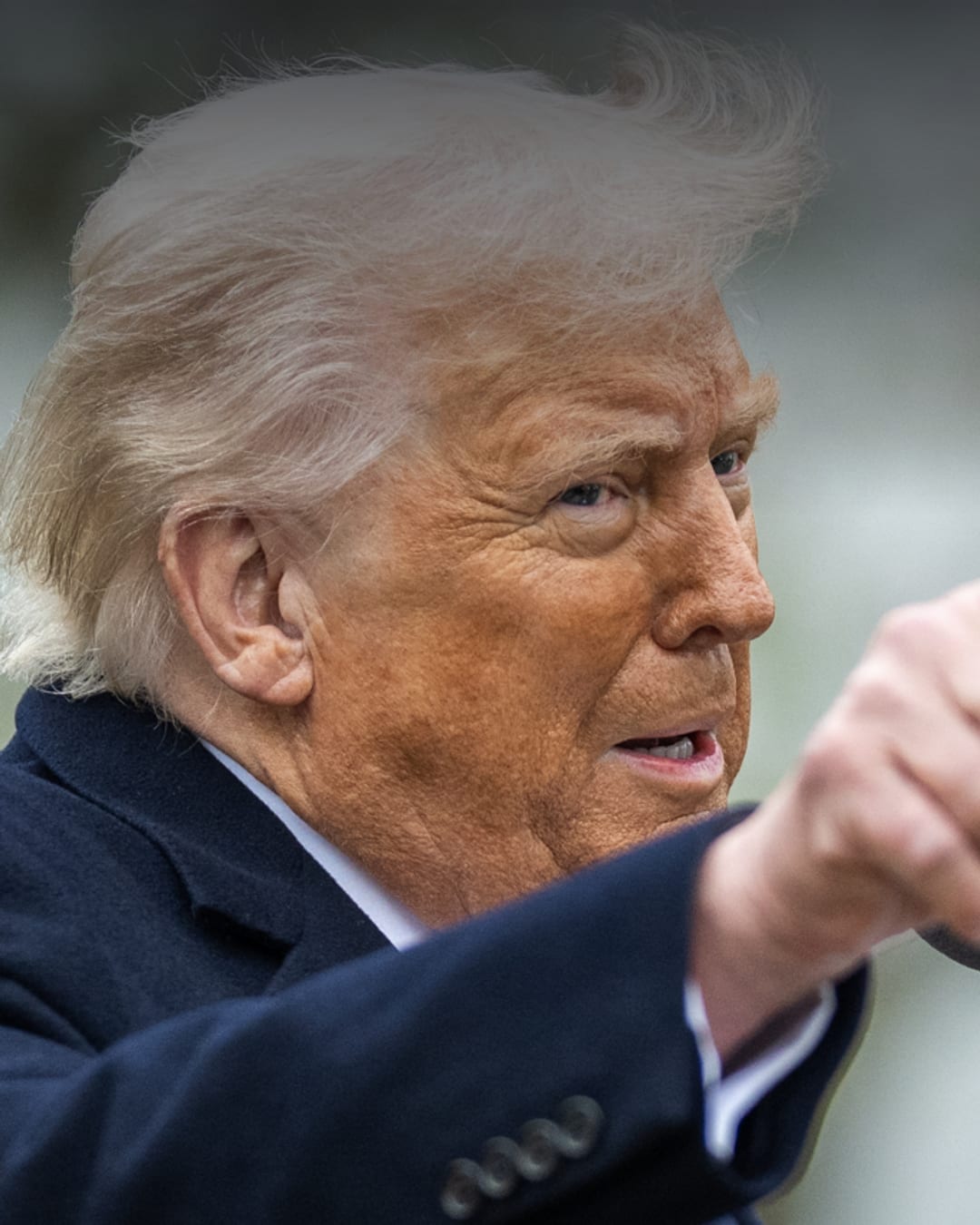
 Image: President Donald Trump signing a presidential document, via Wikimedia Commons. Used as general signing context.
- Iranian state media says Pezeshkian released the signed U.S.-Iran MoU in a post on X.
- Tasnim says the document was signed digitally and remotely by Pezeshkian and Trump in Persian and English.
- The public release increases pressure on both governments to explain the same text the same way.
Iranian President Masoud Pezeshkian has moved the U.S.-Iran deal story into a new phase: document politics.
IRNA's English Telegram feed says Pezeshkian released the signed memorandum of understanding between Iran and the United States on Thursday, calling it a historic document and a message from a powerful Iran. The same post says Pezeshkian and U.S. President Donald Trump signed the document digitally and remotely in the early hours of June 18, 2026.
Tasnim separately reported that the text of the memorandum was signed by the Iranian and American presidents in Persian and English and entered into effect after digital endorsement by both sides.
What happened
The public release follows a day of competing descriptions of the deal. U.S. officials told Axios the memorandum had been remotely signed and was in effect. Iranian outlets then published or amplified the text and images around the signed document.
That matters because a signed text is harder to wave away than a briefing call, a diplomatic leak or a summary by one side. It gives critics, markets, allies and regional actors something concrete to parse.
What the document says, broadly
The memorandum is described as a framework to halt hostilities, reopen the Strait of Hormuz, lift or ease parts of the U.S. naval and economic pressure on Iran, and begin a 60-day negotiation period for a final agreement.
Tasnim says the first article declares an immediate and permanent termination of military operations between Iran, the U.S. and their allies across all fronts, including Lebanon. It also says both sides commit to refrain from future force or threats of force.
The 14-point structure
The released text is structured around 14 main commitments. In practical terms, the MoU does five things at once: freezes the shooting, reopens Hormuz, starts a 60-day negotiation clock, creates an economic incentive package for Iran, and defers the hardest nuclear and sanctions details to the final agreement.
The first three clauses cover the ceasefire and diplomatic frame: all sides commit to an immediate end to military operations, respect each other's sovereignty, and negotiate a final deal within 60 days, extendable by mutual consent.
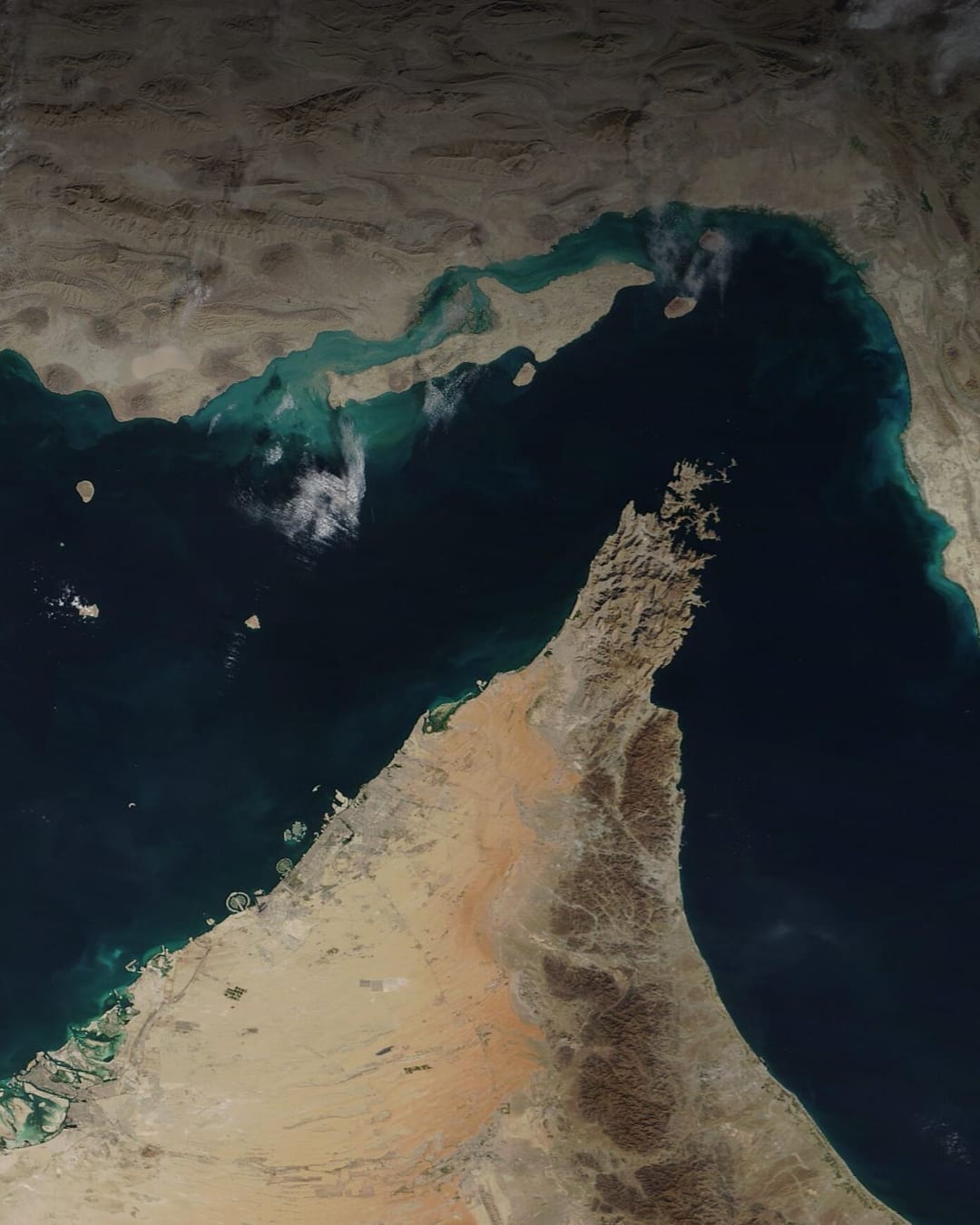
Clauses four and five are the shipping track. The U.S. begins lifting sea, air and land restrictions, while Iran opens the Strait of Hormuz to safe commercial traffic without charge for an initial period. The future administration of Hormuz is left for later talks involving Oman and other Gulf coastal states.
Clauses six, seven, ten and eleven are the money track. The text refers to a reconstruction and development program worth at least $300 billion, a sanctions-removal timetable, Treasury waivers for Iranian oil and petrochemical exports, and access to frozen or restricted Iranian funds. Those are the most politically sensitive provisions because U.S. officials and Iranian officials are likely to describe the timing and conditions differently.
Clauses eight and nine are the nuclear track. Iran reaffirms that it will not seek nuclear weapons, while both sides agree to maintain the status quo around the nuclear program and stored enriched material pending a final arrangement aligned with IAEA procedures.
The final clauses set the implementation process: monitoring the MoU, starting final talks in Qatar once key provisions begin, and seeking endorsement of the final agreement through a UN Security Council resolution.
English translation of the signed MoU
The following is an English translation of the signed memorandum of understanding released by Iranian President Masoud Pezeshkian, as circulated in Iranian state-media and diplomatic-source summaries.
- Iran, the United States, and their allies in the current war commit to an immediate and permanent end to all military operations on all fronts, including Lebanon. Neither side will start or threaten war or hostile military action against the other, and both will respect each other's sovereignty and territorial integrity. The final agreement ending the war on all fronts, including Lebanon and the West Bank, will confirm this clause.
- Iran and the United States commit to respecting each other's sovereignty and territorial integrity and not interfering in each other's internal affairs.
- Iran and the United States commit to negotiating and reaching a final agreement within 60 days, extendable by mutual consent.
- Upon signing, the United States will begin lifting Iran's sea, air, and land blockade and gradually remove restrictions on movement and trade. Ship traffic during this period will match pre-war levels. The United States also commits to withdrawing its military forces from Iranian airspace within 30 days after the final agreement.
- Upon signing, Iran will immediately open the Strait of Hormuz, free of charge, for 30 days to safe commercial vessels. This free passage will continue as long as sanctions relief and financial aid continue. If a final agreement is reached, unrestricted movement in the Strait will be guaranteed for 30 days. Iran will discuss future administration and maritime services in the Strait with Oman, while respecting international law and coastal states' sovereign rights, and will also consult other Persian Gulf coastal states.
- The United States, with regional partners, commits to a fixed economic-development program for Iran's reconstruction and development, funded with at least $300 billion, as an integral part of the final agreement. Within three days of signing, the United States will provide 10% of the funds needed to start rebuilding economic facilities, power plants, ports, airports, and other essential infrastructure.
- The United States commits to ending all sanctions on Iran, including UN Security Council resolutions, UN resolutions, IAEA Board of Governors rulings, and all unilateral U.S. primary and secondary sanctions, under a timetable agreed in the final deal. Both sides recognize the importance of ending these sanctions and will address them immediately in talks.
- Iran reaffirms it will not produce or seek nuclear weapons. Iran and the United States agree to maintain the agreed arrangement and current status of stored enriched material through a mechanism agreed by both sides and in line with IAEA procedures within 30 days of signing. Nuclear fuel services, enrichment, expertise development, and other nuclear-needs issues will be discussed under a mutually satisfactory framework in the final deal. Both sides recognize the importance of these nuclear issues and will address them immediately in talks.
- Until the final deal, both sides agree to preserve the current status quo: Iran will maintain its nuclear program as it is, and the United States will not impose new sanctions after this MoU is signed.
- Immediately after signing, and until sanctions are ended, the United States will issue Treasury waivers for Iranian crude oil exports, petrochemicals, oil derivatives, and related services, including banking, insurance, shipping, transport, and other services.
- The United States commits to making Iran's frozen or restricted funds and assets fully available for use under this MoU. Both sides will negotiate the release of these funds during the talks. Iran's central-bank account at the National Bank of Syria, used to support the Syrian national currency, is exempt. The United States will issue all necessary approvals and licenses.
- Iran and the United States agree to create an implementation mechanism to monitor successful execution of this MoU until the final agreement.
- After signing, and once clauses 1, 4, 5, 10, and 11 begin and continue to be implemented, talks on the final agreement will begin exclusively in Qatar.
- The final agreement will be endorsed by a UN Security Council resolution.
Why the signature matters
The signature is the political signal. Until now, the story could be framed as a draft, a preliminary agreement, or a negotiating outline. A released signed document raises the stakes.
For Trump, the visible signature connects him directly to concessions, incentives and the 60-day negotiation window. For Pezeshkian, publishing the document lets Tehran frame the deal domestically as an Iranian success rather than a U.S.-written arrangement.
What is confirmed
Confirmed: Iranian state media says Pezeshkian released the signed MoU. Confirmed: Tasnim reports the document was signed digitally and remotely by Pezeshkian and Trump. Confirmed: Axios reported U.S. officials saying the agreement was signed and in effect.
Also confirmed: the document release does not solve the implementation disputes. It makes them more visible.
What is not confirmed
Not confirmed from the public release alone: that both governments interpret every clause the same way. Not confirmed: that Iran and the U.S. agree on the future of Hormuz fees after the 60-day period. Not confirmed: that the Lebanon language binds Israel or Hezbollah in the same way each side wants.
That is the next fight. Once the document is public, the conflict moves from "is there a deal?" to "what does the deal actually require?"
What to watch next
Watch for a U.S. full-text release, White House legal framing, congressional reactions, Iranian hardline criticism, IAEA comments on the nuclear clauses, and shipping guidance around the Strait of Hormuz.
NoDechev rating: document release confirmed by Iranian state media; interpretation still contested. The signed MoU is public-facing now, but the political fight over its meaning is just starting.
Ready social post
Pezeshkian has released the signed U.S.-Iran MoU, according to Iranian state media, with reports saying the document carries both Pezeshkian's and Trump's digital signatures. The story now shifts from whether a deal exists to how both sides interpret the signed text.
Read next: what the Trump-Iran deal does