

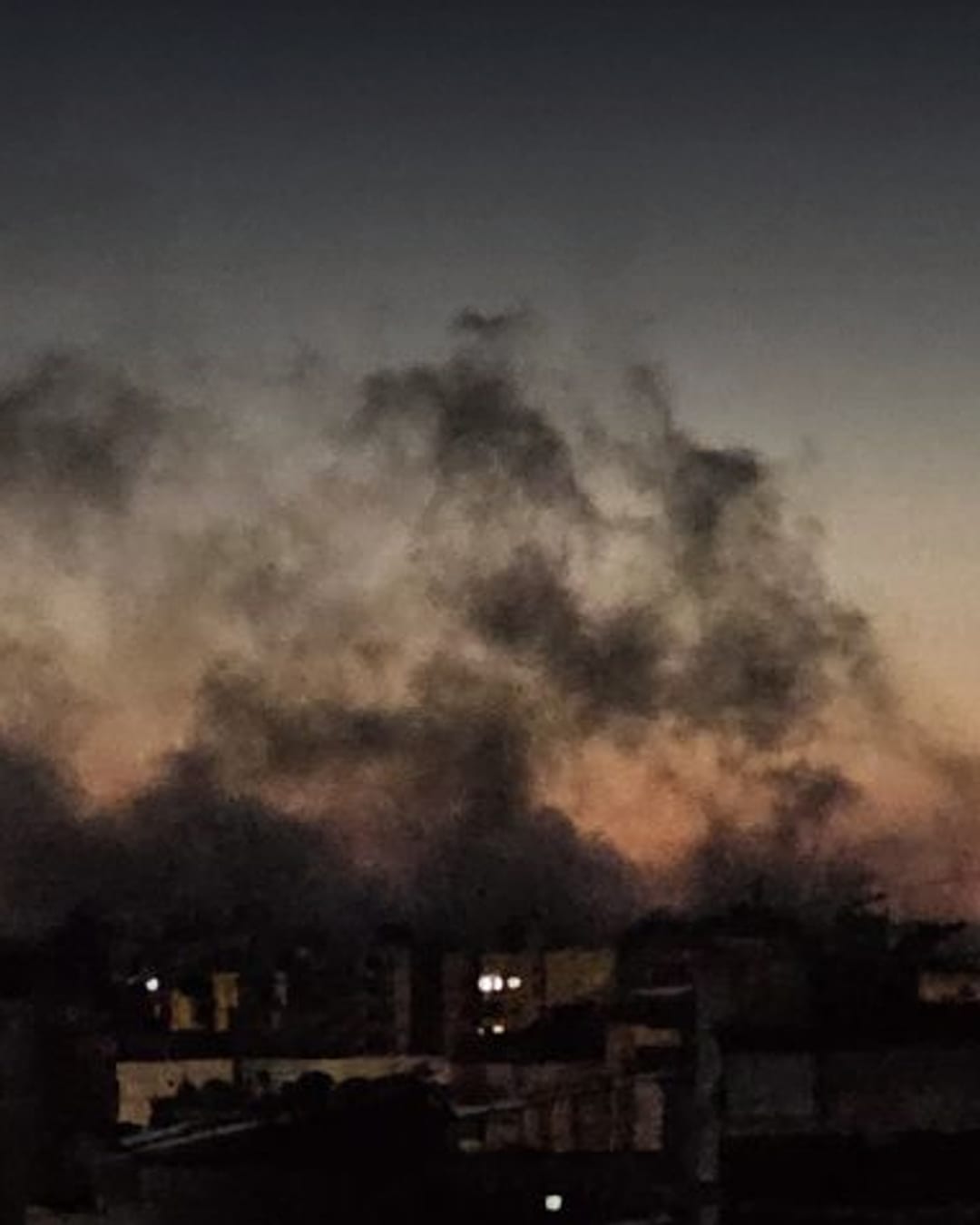
 Image: Smoke rises from an Israeli airstrike site in Haret Hreik, Beirut's southern suburbs, May 6, 2026 - AFP via This Is Beirut.
- Reuters says Lebanese PM Nawaf Salam put the ceasefire-period count at 3,491 Israeli airstrikes.
- Salam also cited 407 controlled demolitions and six razing operations from April 17 to June 7.
- The Israeli military did not immediately respond to Reuters' request for comment.
Lebanese Prime Minister Nawaf Salam says Israel carried out nearly 3,500 airstrikes on Lebanon during the period Lebanon calls a U.S.-brokered ceasefire.
Reuters reported Monday that Salam's office published the figures after a cabinet meeting. The exact count, according to the report, is 3,491 Israeli airstrikes, 407 controlled demolitions and six razing operations from April 17 to June 7.
The clean read: this is not just a rhetorical "many strikes" claim. It is a specific Lebanese government tally, carried by Reuters, but it should still be attributed to Salam and Lebanon unless Israel, U.N. monitors or another independent dataset confirms the same count.
What happened
The U.S.-brokered ceasefire was announced on April 16 and came into effect just after midnight on April 17. It did not remove Israeli forces from all of southern Lebanon, and it did not end the underlying Israel-Hezbollah conflict.
Reuters said the truce largely reduced airstrikes on Beirut and its suburbs, but failed to stop fighting in southern Lebanon between Israel and Iran-backed Hezbollah. That is the gap inside the word "ceasefire": the political framework existed, but the fighting did not stop.
What the data says
Salam's numbers cover April 17 through June 7. The reported categories are 3,491 airstrikes, 407 controlled demolitions and six razing operations. Reuters described razing operations as demolitions that have left some entire villages in Lebanon's southernmost strip flattened.
Salam also said Lebanon was trying to uphold the ceasefire while the latest Israel-Iran escalation created more displacement, adding strain to Lebanon's ability to host fleeing families. Reuters reported that more than 1 million people, about one-fifth of Lebanon's population, have been displaced by Israeli strikes and evacuation warnings since the war erupted on March 2.
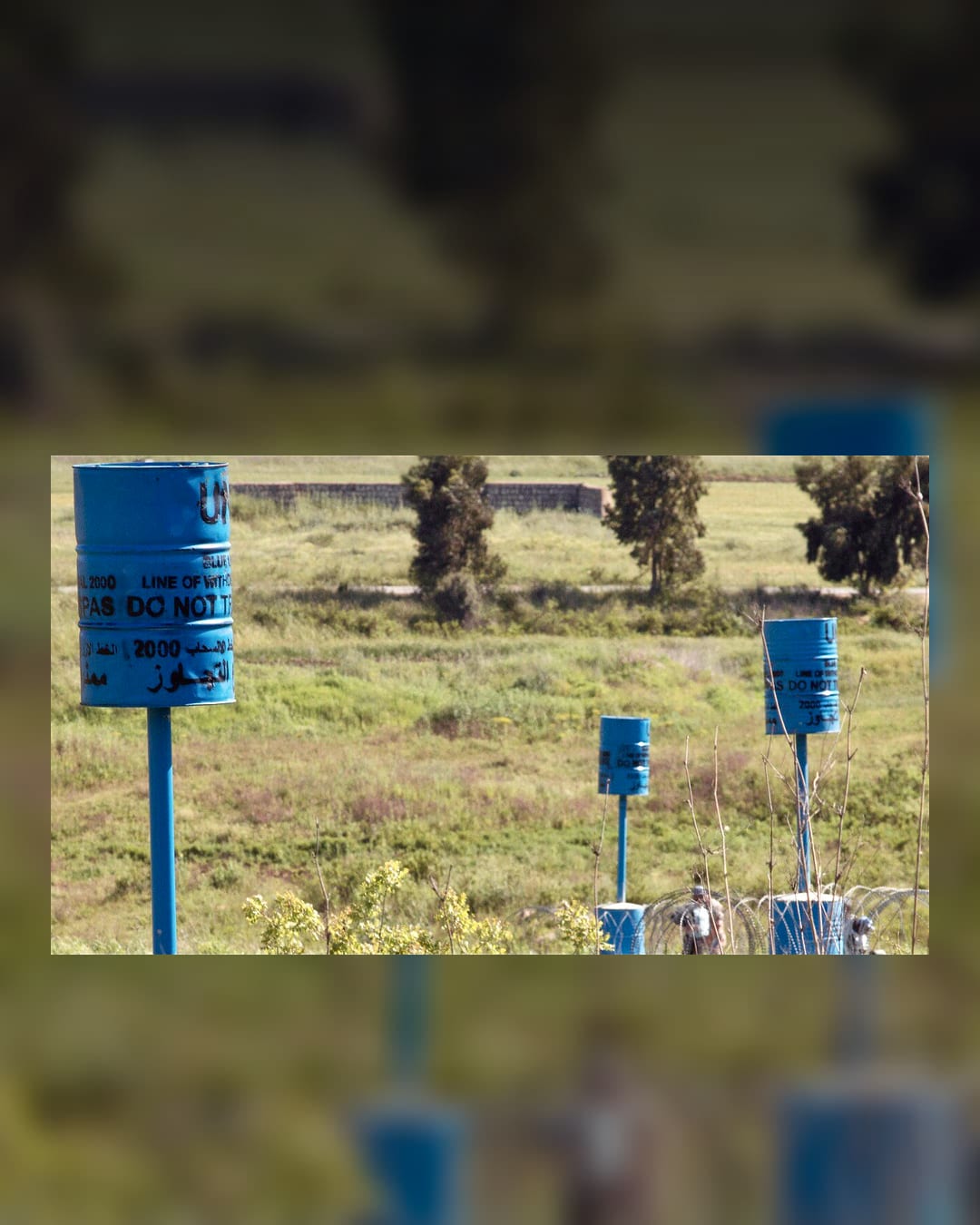 Image: UNIFIL blue barrels marking the Blue Line between Israel and Lebanon - public domain / Wikimedia Commons.
What is confirmed
Confirmed: Salam made the allegation through figures published by his office and Reuters carried the report. Confirmed: the U.S.-announced ceasefire began April 17. Confirmed: Israeli strikes and Hezbollah-Israel fighting have continued in southern Lebanon despite the ceasefire framework.
Also confirmed: the Israeli military had not immediately responded to Reuters' request for comment. That means the count should be reported as Lebanon's number, not as an independently audited shared figure.
What is not confirmed
Not confirmed from the public record reviewed here: whether every item in Salam's tally would be counted the same way by Israel, U.N. monitors or independent conflict trackers. Airstrike counts can differ depending on whether a sortie, a munition release, a target hit or a strike event is counted.
Also not confirmed: that the ceasefire has legally ended. The more accurate line is that the ceasefire has continued on paper while becoming heavily contested on the ground.
Why it matters
The number matters because it changes how readers understand "ceasefire." A ceasefire can exist diplomatically while failing operationally. Salam is arguing exactly that: Lebanon says it is trying to preserve the framework, but Israel's strike count shows the framework is not protecting Lebanese territory.
For Israel, the counterargument has been that Hezbollah fire and armed presence in the south keep the security threat alive. Axios and AP have both reported recent Israeli strikes tied to Hezbollah attacks and continued U.S. efforts to keep the Lebanon track from pulling the wider Iran war into another front.
What to watch next
Watch whether Israel disputes Salam's numbers, whether UNIFIL or U.N. officials publish a parallel violation count, and whether Washington treats the tally as evidence that the Lebanon ceasefire needs a stronger monitoring mechanism.
The next political signal is whether Lebanon's government can keep pursuing U.S.-mediated talks while publicly accusing Israel of thousands of ceasefire-period strikes. That tension is now the center of the Lebanon track.
NoDechev rating: sourced Lebanese government tally, not independently reconciled. The number is real as Salam's claim and Reuters report; the exact strike accounting still needs outside verification.
Ready social post
Lebanon's PM says Israel carried out 3,491 airstrikes during the ceasefire period, plus hundreds of demolitions. The key caveat: this is Lebanon's official tally reported by Reuters; Israel had not immediately commented.
Read next: how ceasefire violations are verified