

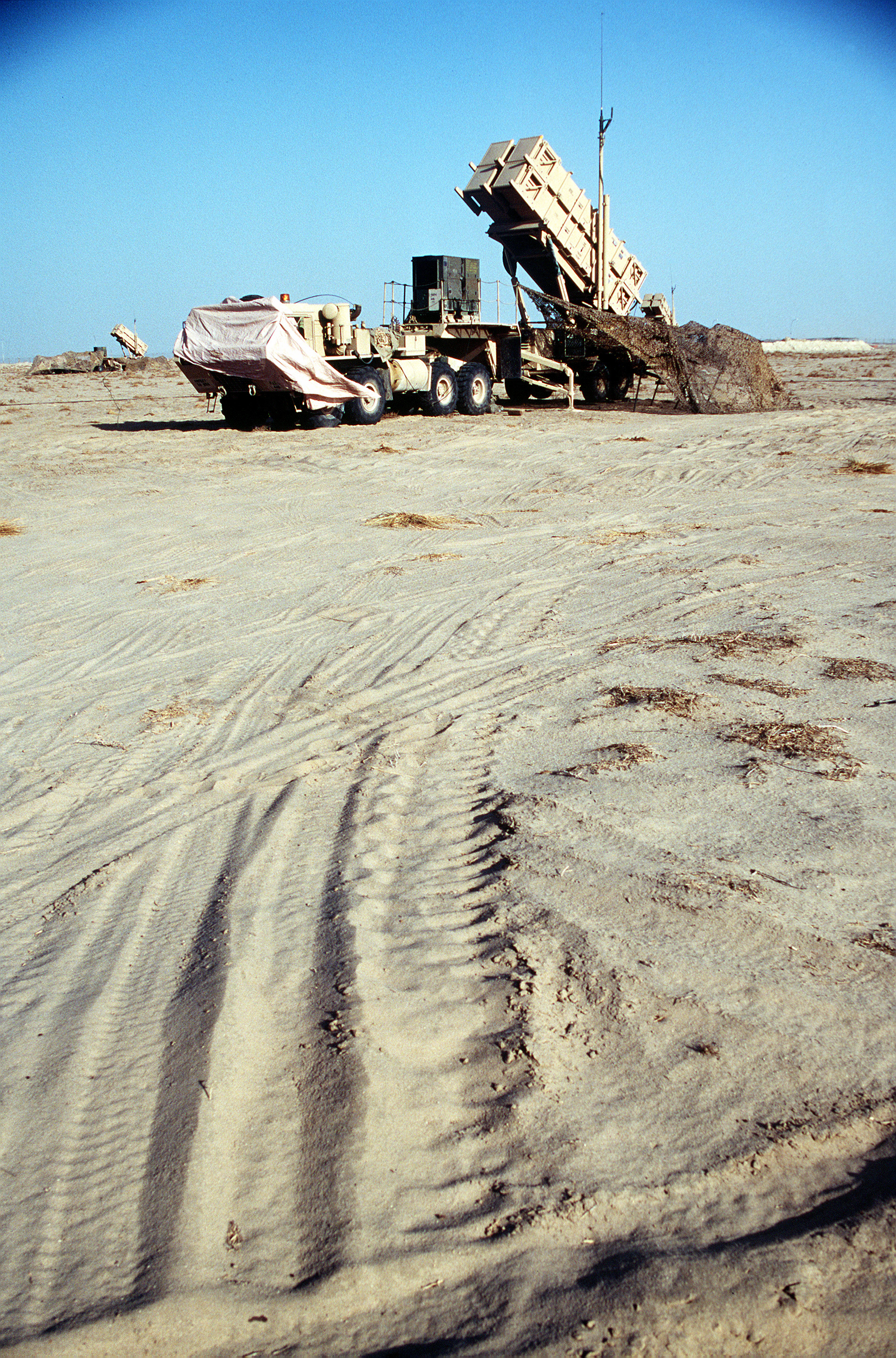
 Image: U.S. Army Patriot M901 launcher near Camp Doha, Kuwait - SPC Moses M. Mlasko / U.S. National Archives / Wikimedia Commons, public domain.
- Kuwait's army said air defenses were responding to hostile missile and drone attacks, and that explosion sounds were from interceptions if heard.
- CENTCOM says Iran launched a ballistic missile toward Kuwait at 10:17 p.m. ET on May 27, and Kuwait intercepted it.
- Bloomberg, via ArcaMax, separately reports debris hit Ali Al Salem Air Base, causing minor injuries and damaging MQ-9 Reapers.
The Kuwait Army's public X statement gives official context to a more detailed Bloomberg report about Ali Al Salem Air Base, but the two records should not be blended into one claim.
The official side is this: Kuwaiti air defenses were activated against hostile missile and drone attacks, and U.S. Central Command says Kuwait intercepted an Iranian ballistic missile. The reported base-damage side is narrower: Bloomberg says debris from the interception hit Ali Al Salem, injuring about five Americans and damaging MQ-9 Reaper aircraft.
What Kuwait posted
CNN Arabic and AeroTime reported the May 28 Kuwait Army X post saying Kuwaiti air defenses were dealing with hostile missile and drone attacks. The army also said explosion sounds, if heard by residents, were the result of air-defense systems intercepting those attacks.
Kuwait Times, citing KUNA, reported that hostile drones and missiles were intercepted and destroyed. That supports the attack-and-interception context, but it does not by itself confirm U.S. injuries, aircraft damage, or the exact debris field at Ali Al Salem.
What Bloomberg adds
Bloomberg's report, republished by ArcaMax, adds the key Ali Al Salem details: debris struck the air base, about five Americans including contractors and active-duty personnel had minor injuries, one MQ-9 Reaper was destroyed, and another MQ-9 was seriously damaged.
Those details remain sourced to Bloomberg. They are important, and they fit the interception timeline, but readers should not describe them as Kuwaiti Army confirmations unless Kuwait or another official body says so publicly.
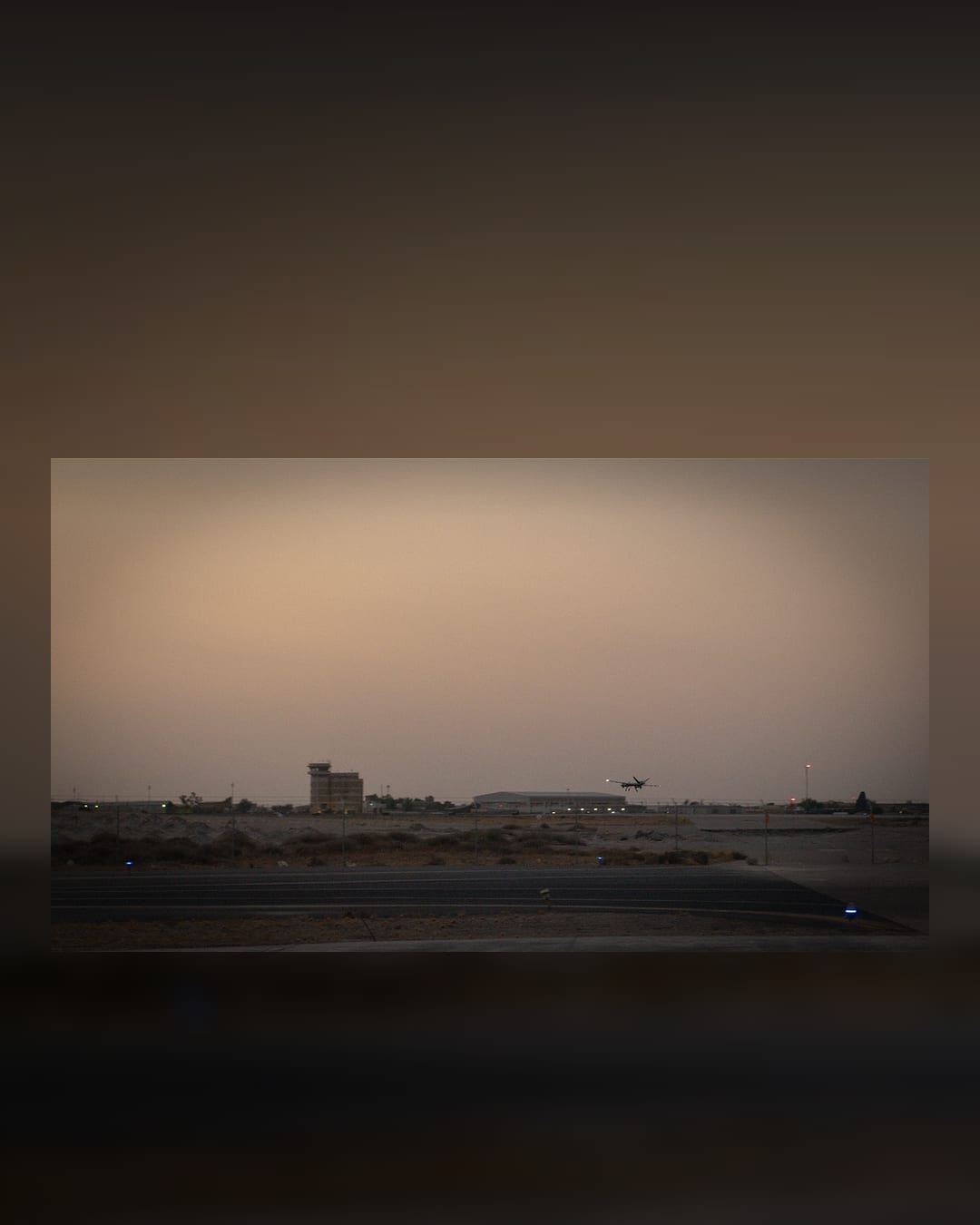 Image: U.S. Air Force MQ-9 Reaper at Ali Al Salem Air Base, used as aircraft and location context.
What is confirmed and what is not
Confirmed by official statements: Kuwait reported hostile missile and drone attacks, and CENTCOM says Iran launched a ballistic missile toward Kuwait at 10:17 p.m. ET on May 27. CENTCOM says Kuwait intercepted the missile and calls the launch an egregious ceasefire violation.
Not officially confirmed in the public material cited here: the reported injury count, the reported mix of contractors and active-duty personnel, and the reported MQ-9 destruction and damage. Those are Bloomberg's reported details, not Kuwaiti or CENTCOM-confirmed casualty and damage assessments.
Why it matters
Ali Al Salem is a major U.S.-used base in Kuwait, so even minor injuries and drone losses would turn an air-defense incident into a force-protection story. It would also show how an intercepted missile can still create operational consequences through debris.
The distinction matters for credibility. The official record supports saying Kuwait faced hostile missile and drone attacks and intercepted an Iranian missile. Bloomberg supports saying debris reportedly injured Americans and damaged MQ-9s at Ali Al Salem.
What to watch next
The next useful signals are any Kuwaiti defense update on debris or locations, a CENTCOM damage or casualty statement, aircraft-loss notices, and any congressional or Pentagon follow-up on U.S. personnel at Ali Al Salem.
NoDechev rating: official attack/interception context, reported base-impact details. Kuwait Army and CENTCOM support the attack timeline; Bloomberg remains the source for the Ali Al Salem injury and MQ-9 damage claims.
Also Read
Use the earlier brief for the initial Bloomberg framing, and this brief for the official Kuwait/CENTCOM context around the interception.
Read the Ali Al Salem report context