

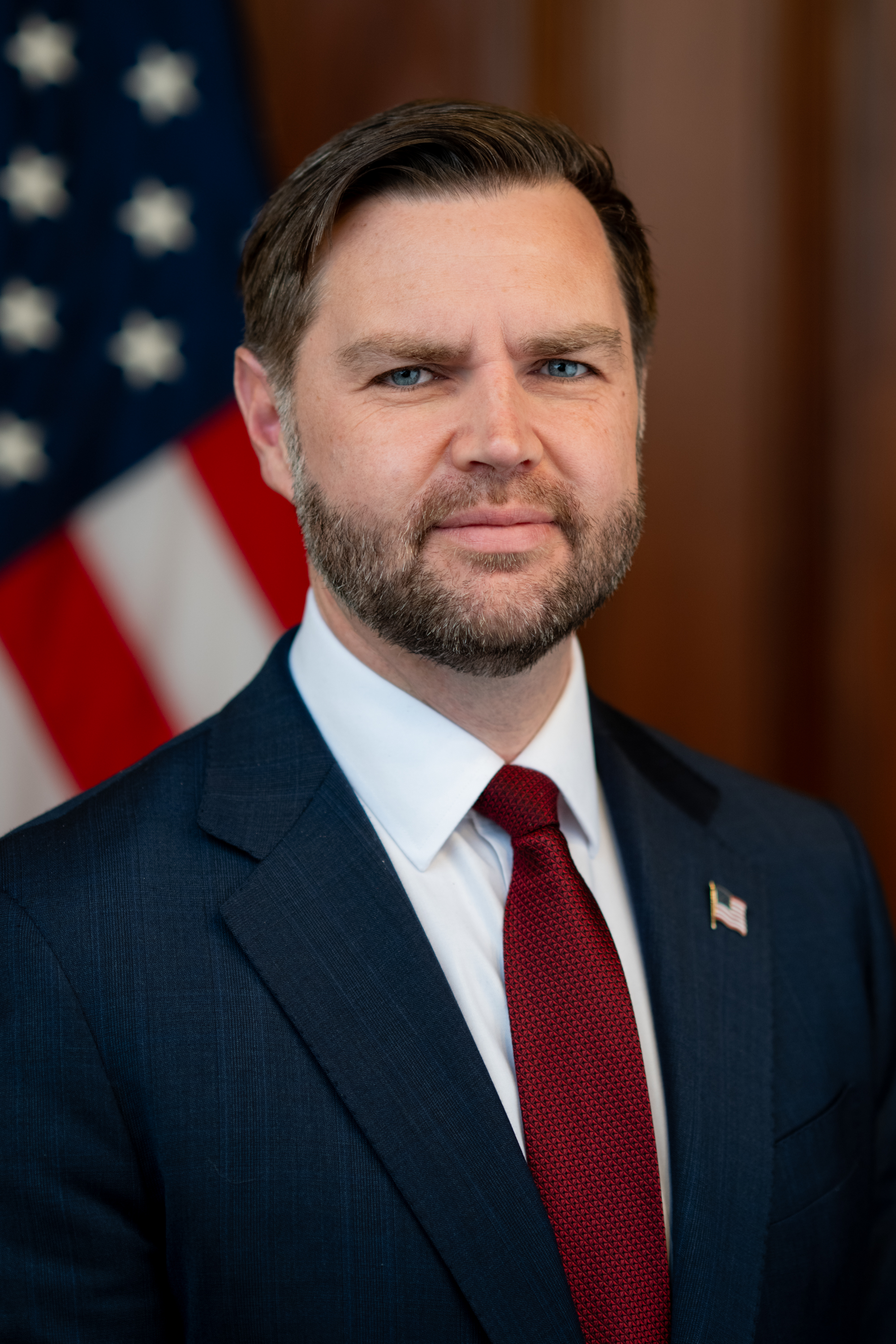
 Image: Vice President JD Vance, official White House portrait by Emily J. Higgins, via Wikimedia Commons.
- Vance postponed a planned Switzerland trip for the first technical phase of the U.S.-Iran agreement.
- The White House said the talks' logistics were not finalized and Vance was not departing Thursday night.
- The delay is not the same as a canceled deal, but it shows the 60-day negotiation window is already facing friction.
Vice President JD Vance has postponed a planned trip to Switzerland for talks on the next phase of the U.S.-Iran agreement, delaying the first visible test of the deal's 60-day technical negotiation window.
The talks were originally expected to begin as soon as Friday, June 19, in Switzerland. Instead, the White House told reporters that Vance was not leaving Thursday night and that it would provide a concrete update when the next steps were clear.
What happened
CBS News reported that Vance was no longer planning to fly to Switzerland late Thursday to help kickstart talks with Iran. A White House spokesperson said the U.S. delegation was prepared to depart at the first available opportunity, but that the logistics had "never been simple or predictable."
AP and Axios also reported the postponement, tying it to logistics, the timing of Iran's delegation, and wider pressure around the Lebanon front. Vance had earlier said he expected talks could happen during the weekend, but that the exact timing depended on when Iranian officials could get there.
What is confirmed
Confirmed: Vance did not depart for Switzerland on Thursday night. Confirmed: the White House has not announced a replacement departure time. Confirmed: the broader U.S.-Iran agreement still calls for a 60-day negotiation period focused on technical nuclear issues and implementation details.
Also confirmed: Switzerland had been expected to host the opening phase of talks after the U.S.-Iran memorandum moved from signing into implementation. That makes the delay important because it affects the first scheduled step after the headline agreement.
What is not confirmed
Not confirmed: that the talks are canceled. Not confirmed: that the agreement itself has collapsed. Not confirmed: whether Iran's delegation timing, Lebanon ceasefire disputes, internal U.S. politics, or all of them together caused the final delay.
The useful read is narrower: the schedule slipped before the first technical round began. That is a warning sign for implementation, not yet proof that the agreement is dead.
Why the delay matters
The U.S.-Iran memorandum depends on turning political signatures into technical rules. Those rules include what happens to Iran's enriched uranium, what inspections look like, how sanctions relief is sequenced, and what counts as a violation during the 60-day window.
Vance has become the public face of the deal's defense inside Washington. A delayed trip means critics can argue the agreement was announced before the machinery was ready. Supporters can argue the opposite: that hard logistics are normal when two hostile governments are trying to move from war to direct talks.
The Lebanon problem
The Lebanon track is the pressure point hanging over the talks. Trump has said the United States expects a complete ceasefire on all fronts, including Lebanon, Hezbollah and Israel. But Israel and Hezbollah have not given the same clean public picture of implementation.
If violence or alleged violations continue in Lebanon, Iranian officials can use that as leverage before sitting down for nuclear talks. The White House, meanwhile, has to keep the process alive without appearing to accept delays as open-ended.
What to watch next
Watch for a new White House travel update, confirmation from Switzerland on the revised schedule, and any Iranian statement about delegation timing. The key test is whether technical talks begin this weekend or slide into next week.
NoDechev rating: postponement confirmed; deal collapse not confirmed. The first technical round is delayed, but the 60-day U.S.-Iran negotiation track remains the stated framework.
Ready social post
JD Vance has postponed his planned Switzerland trip for the first technical talks under the U.S.-Iran agreement. The White House says logistics are not finalized and the delegation is ready to depart when next steps are concrete. Big caveat: delayed talks are not the same as a collapsed deal.
Read the signed MoU context