
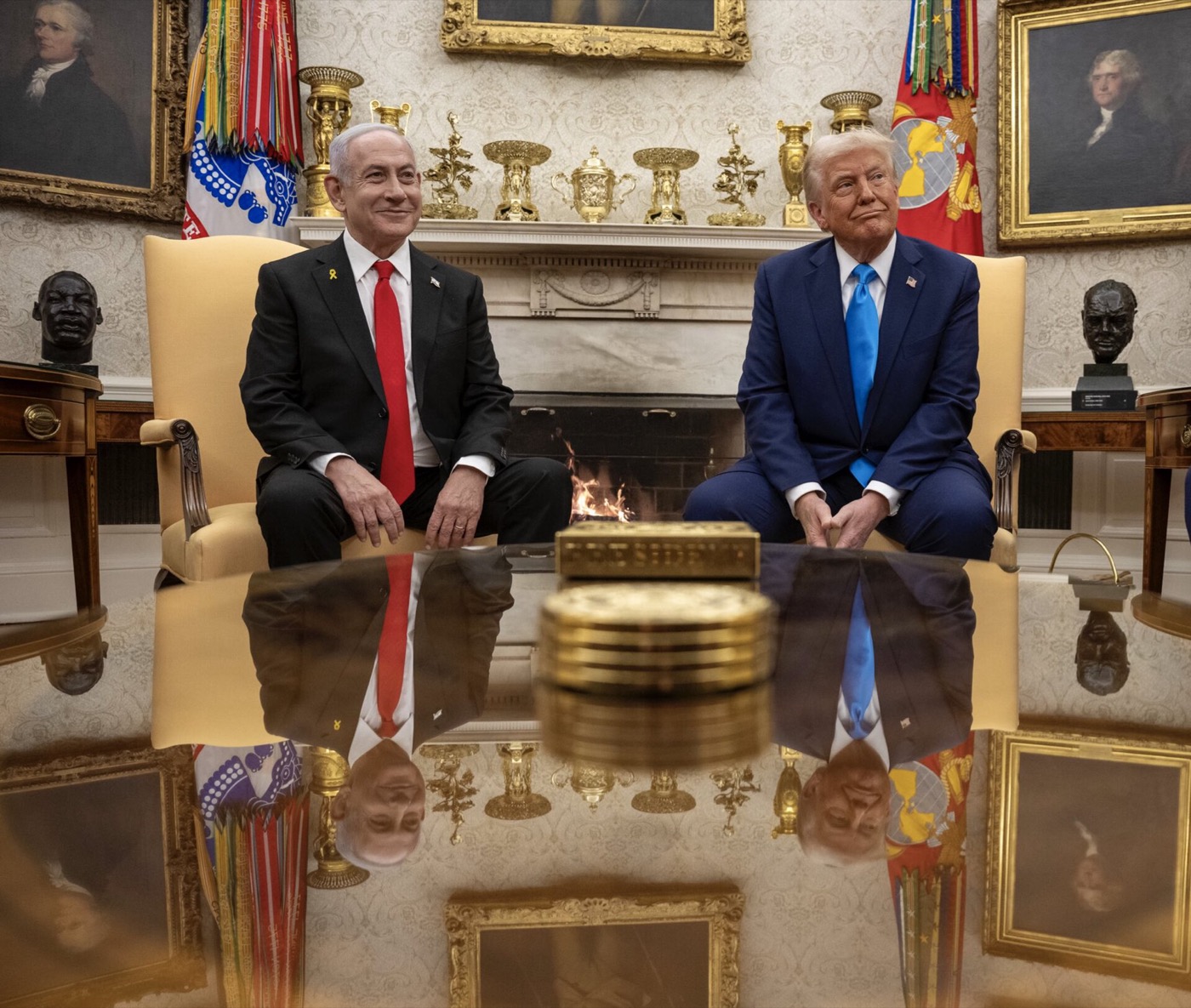
 Image: President Donald Trump and Israeli Prime Minister Benjamin Netanyahu at the White House, via public White House image archive.
- Trump said the U.S. expects a complete ceasefire covering Lebanon, Hezbollah and Israel.
- The statement ties the Lebanon front directly to the wider U.S.-Iran ceasefire and MoU track.
- The key caveat is implementation: expectation and announcement are not the same as verified silence on the ground.
President Donald Trump has widened the ceasefire message around the U.S.-Iran deal, saying he expects a complete ceasefire across the connected Lebanon and Israel fronts.
The line, amplified by White House social channels and picked up in live Middle East coverage, matters because it names Lebanon, Hezbollah and Israel together. That turns the Lebanon front from a side issue into a visible test of the broader regional de-escalation push.
What happened
Trump said the United States expects a "complete Ceasefire" on all fronts, specifically including Lebanon, Hezbollah and Israel. The White House account circulated the statement, and Guardian live coverage reported the same formulation during its June 18 Middle East updates.
The timing is important. It came after the reported U.S.-Iran memorandum of understanding and after Iranian and regional sources framed Lebanon as part of any credible end to the wider war. In simple terms: Washington is now publicly saying the Lebanon track belongs inside the same ceasefire architecture.
Why Lebanon is the hard part
A ceasefire between states is already difficult. A ceasefire involving Hezbollah is harder because Hezbollah is not the Lebanese government, and Israel has repeatedly argued that it needs freedom to strike Hezbollah positions if it sees a security threat.
That is why the wording matters. Trump did not merely refer to Israel and Lebanon as governments. He named Hezbollah directly, which suggests the expected ceasefire is meant to cover the armed actor actually fighting Israel along the northern front.

What is confirmed
Confirmed: Trump made the public ceasefire expectation statement. Confirmed: the White House amplified the line. Confirmed: live coverage of the wider Middle East crisis reported the same statement on June 18.
Also confirmed: this fits the language in the signed MoU track, which refers to ending military operations on all fronts, including Lebanon. NoDechev previously published the English translation and 14-point structure of that signed memorandum.
What is not confirmed
Not confirmed: that Israel and Hezbollah have both fully stopped all military activity. Not confirmed: that the ceasefire language is being interpreted the same way by Washington, Jerusalem, Beirut, Tehran and Hezbollah. Not confirmed: that any monitoring mechanism can quickly verify violations on the ground.
That is the central caution. A presidential statement can set expectations and political pressure, but the ceasefire becomes real only if firing stops, forces obey the terms, and violations do not collapse the deal within hours or days.
Why it matters
If the Lebanon front holds, the U.S.-Iran deal becomes more credible as a regional ceasefire framework rather than only a Hormuz and nuclear negotiation pause. If Lebanon breaks, the whole arrangement becomes easier for critics on every side to attack.
For Trump, the statement raises the bar. The administration is no longer only claiming a path to talks with Iran. It is implying that the wider network of fighting, including Hezbollah and Israel, can be brought under control.
What to watch next
Watch for statements from Israel, Hezbollah, Lebanon's government and Iran. Also watch southern Lebanon incident reports, IDF updates, Hezbollah media, UNIFIL comments, and any U.S. language about who monitors the ceasefire.
NoDechev rating: statement confirmed, implementation unproven. Trump's line is a major signal, but the real test is whether Lebanon, Hezbollah and Israel actually stay quiet.
Ready social post
Trump says the U.S. expects a complete ceasefire on all fronts, including Lebanon, Hezbollah and Israel. Big signal, but the caveat matters: expectation is not yet verified implementation. The test is whether the Lebanon front actually stays quiet.
Read the signed MoU context