

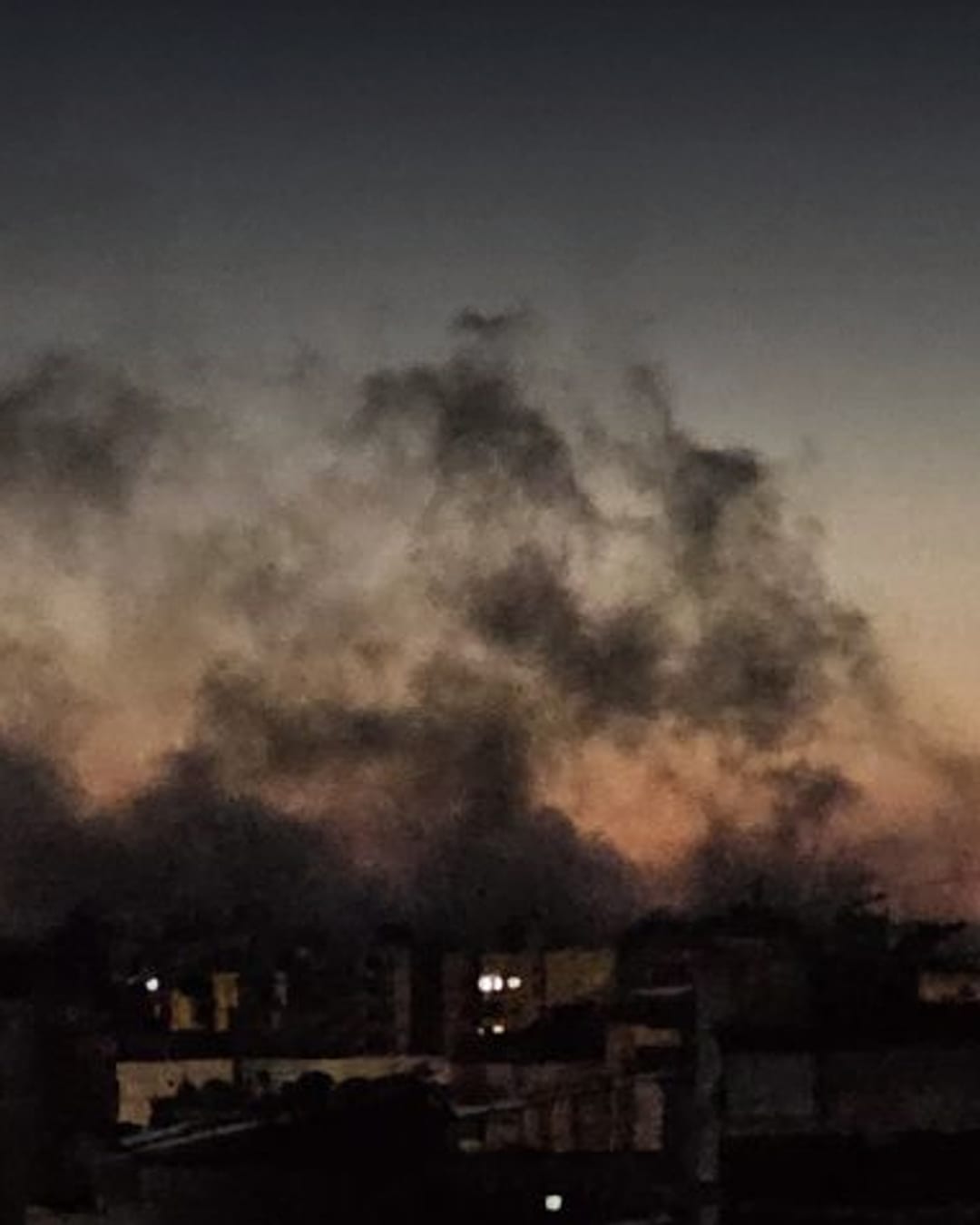
 Image: Smoke rises from an Israeli airstrike site in Haret Hreik, Beirut's southern suburbs, May 6, 2026 - AFP via This Is Beirut.
- Reuters-cited reports said Israel and Hezbollah agreed to renew a Lebanon ceasefire on June 19.
- Lebanon's health ministry said Israeli strikes killed 47 people and wounded 97 on Friday, according to The Guardian's live coverage.
- The IDF said it would keep operating in southern Lebanon until ordered otherwise, making implementation the real test.
The headline says ceasefire. The ground picture says implementation gap.
Israel and Hezbollah agreed to renew a ceasefire in Lebanon on Friday, according to Reuters-cited reporting carried by The Guardian and other outlets. But attacks continued around the announcement, with smoke seen rising from southern Lebanon shortly after the ceasefire was reported and Lebanese officials saying Israeli strikes killed dozens of people during the day.
What happened
The ceasefire was reported after a sharp flare-up between Israel and Hezbollah. The Israeli military said four of its soldiers were killed in southern Lebanon. Israel then carried out a wave of strikes across southern Lebanon and the Bekaa Valley, saying it was responding to Hezbollah violations.
The Guardian's live coverage, citing Lebanon's health ministry, reported that Israeli airstrikes killed at least 47 people and wounded 97 across southern Lebanon and the Bekaa Valley on Friday. Earlier updates put the toll at 21, before the ministry's later count raised the figure.
Hezbollah sources told Reuters that the group had implemented the ceasefire from its side once it received word of the truce. Several outlets reported that the ceasefire was due to take effect at 4 p.m. local time.
What the ceasefire does and does not prove
The agreement matters, but it does not prove that fighting has stopped. A ceasefire can be accepted politically before orders, battlefield conduct and violation claims line up on the ground.
That is why the first public statements after the announcement matter. The IDF said it would remain in southern Lebanon and continue its mission until it received different orders. A military spokesperson framed any agreement as a matter for the government, while saying the army would keep acting under the chief of staff's orders.
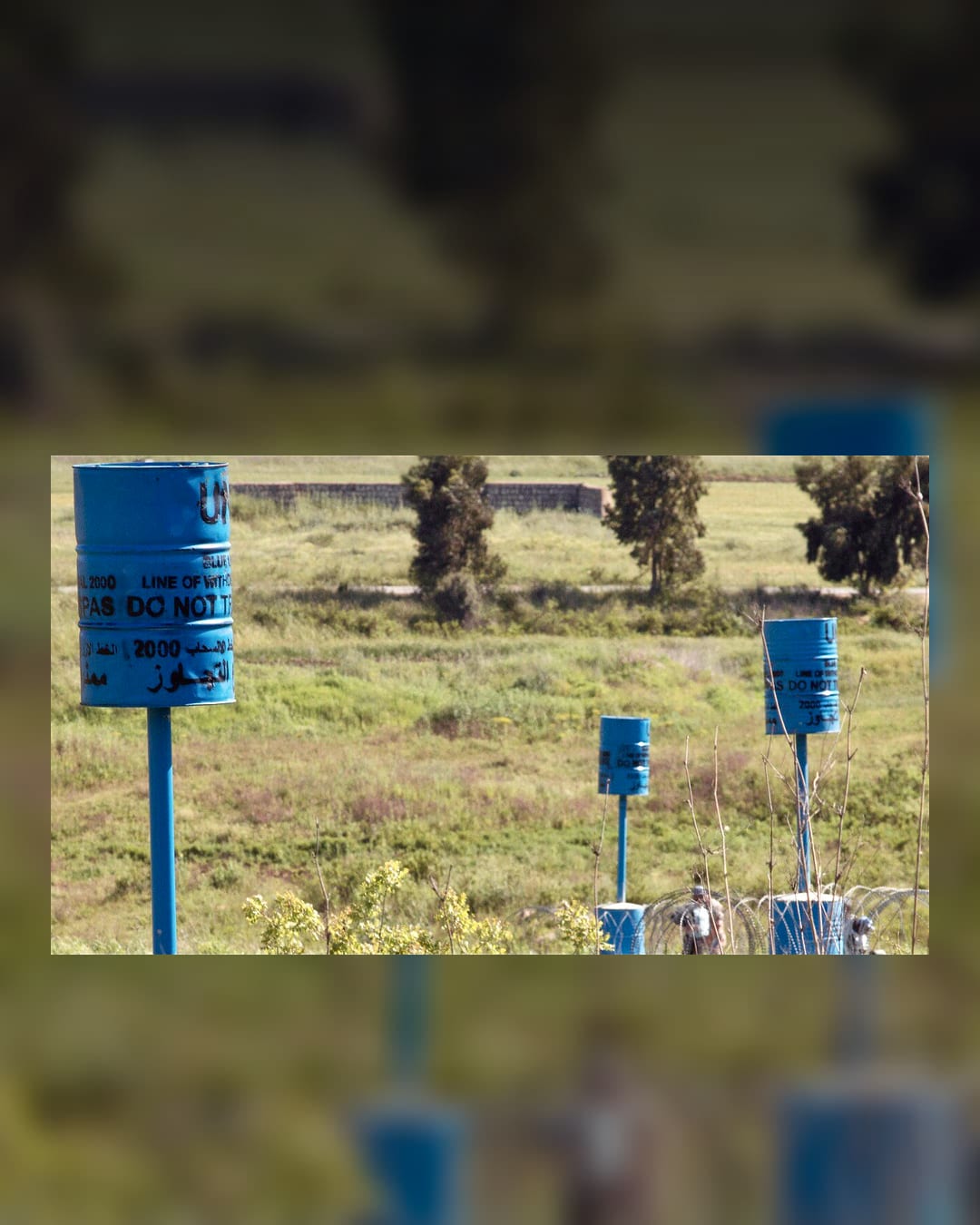
What is confirmed
Confirmed: a senior U.S. official told Reuters that Israel and Hezbollah had agreed to a ceasefire, and Reuters-cited reports said the truce was renewed. Confirmed: Hezbollah sources told Reuters the group applied the ceasefire from its end after receiving word.
Confirmed: Israeli strikes hit Lebanon on Friday, and Lebanon's health ministry reported heavy casualties. Confirmed: the Israeli military publicly said it would continue operating in southern Lebanon until ordered otherwise.
What is not confirmed
Not confirmed: that the ceasefire is fully holding on the ground. The correct line is narrower: a ceasefire was reported and accepted by the parties, but attacks and military operations continued around the same window.
Also not confirmed: that Friday's strikes all happened after the ceasefire took effect. Some casualty reporting covers the period from midnight through the afternoon, while the reported ceasefire start time was later in the day. That timing caveat matters.
Why it matters
The Lebanon front now sits inside the wider U.S.-Iran diplomatic track. Washington wants the Lebanon fighting contained so the broader regional agreement can move forward. Lebanon's president Joseph Aoun told U.S. Secretary of State Marco Rubio that a comprehensive halt to Israeli attacks is necessary for next week's Israel-Lebanon talks in Washington to advance, according to The Guardian's report of the State Department call.
For Israel, the counterclaim is security: Israeli officials argue Hezbollah's attacks and armed presence in southern Lebanon require continued military action. For Lebanon, the ceasefire is meaningless if strikes continue. That is the central contradiction.
What to watch next
Watch three things. First, whether Israeli strikes stop after the ceasefire window, not just whether a truce was announced. Second, whether Hezbollah refrains from further attacks or claims. Third, whether the June 23-25 Washington talks between Israel and Lebanon proceed with a stronger monitoring mechanism.
The clean read: the ceasefire agreement is real enough to report, but too fragile to call peace. The story is not the announcement. The story is whether the guns, drones and jets obey it.
NoDechev rating: real ceasefire report, contested implementation. Treat claims that the Lebanon war is "over" as premature unless the next reporting window shows strikes and Hezbollah attacks actually stopping.
Ready social post
Israel and Hezbollah agreed to renew a Lebanon ceasefire, but strikes continued around the announcement and Lebanon's health ministry reported dozens killed. The agreement is real; the implementation is not yet proven.
Read next: how ceasefire violations are verified