

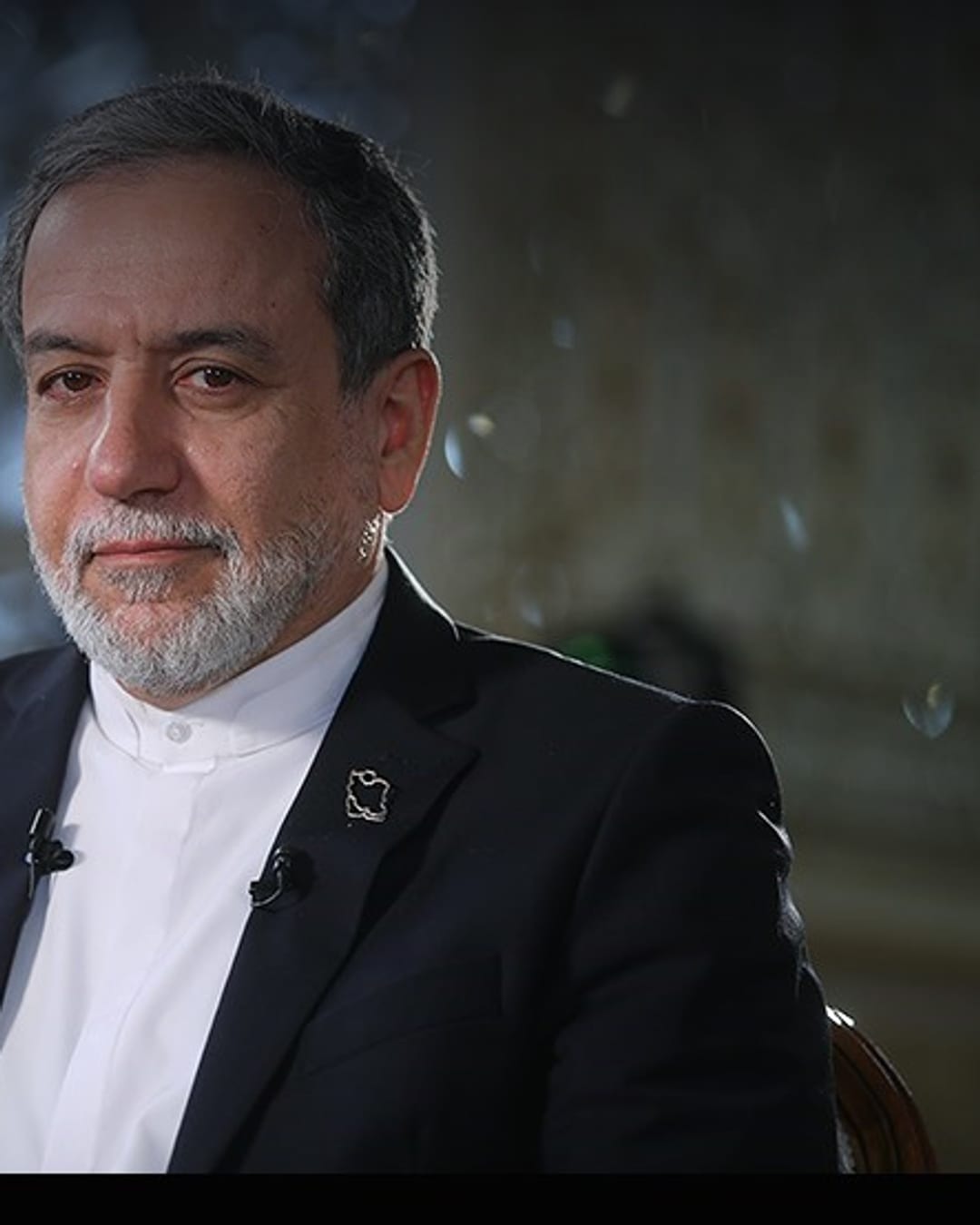
 Image: Abbas Araghchi speaking as Iran's foreign minister - Wikimedia Commons source image, local normalized asset.
- Iranian Foreign Minister Abbas Araghchi attacked Israel after Ben-Gvir wrote that Lebanon should burn.
- Araghchi called the Israeli leadership in Tel Aviv a threat to humanity and accused it of wanting permanent war.
- The exchange matters because it hardens the rhetoric around Lebanon while Washington is trying to keep a broader regional diplomatic track alive.
Iranian Foreign Minister Abbas Araghchi sharply escalated Tehran's public language against Israel on Friday, responding to Israeli National Security Minister Itamar Ben-Gvir's post that said all of Lebanon should burn.
Araghchi wrote on X that Ben-Gvir's statement was not the outburst of a random extremist, but a public post by Israel's national security minister. He then described the Israeli leadership centered in Tel Aviv as a threat to humanity and said its only interest is permanent war.
What happened
The exchange began after Ben-Gvir rejected U.S. pressure to stop fighting in Lebanon. In a Hebrew post, he wrote that for every tear shed by an Israeli mother, a thousand Lebanese mothers should weep, and that all of Lebanon should burn.
Ben-Gvir's line came after Israeli officials reported four soldiers killed in southern Lebanon, and as U.S.-Iran talks connected to a wider regional de-escalation track were under pressure. Araghchi seized on the post as evidence that Israel's far-right leadership does not want the war front to close.
What Araghchi said
The core claim from Araghchi is that Israel's government, not only one minister, is driving a permanent-war posture. His phrasing was intentionally inflammatory: he called the power center in Tel Aviv a "genocidal death cult" and said it threatens all humans.
That line is real and appears in Araghchi's public X post, which was also cited in Times of Israel live coverage. But the quote should be framed carefully. It is a political and diplomatic statement from Iran's foreign minister, not an announcement of a new Iranian strike plan or a change in military posture.

What is confirmed
Confirmed: Araghchi made the statement publicly on X. Confirmed: Times of Israel carried the quote in its June 19 liveblog. Confirmed: the post was a response to Ben-Gvir's own public statement about Lebanon.
Also confirmed: Ben-Gvir's Lebanon comments came as U.S. officials were trying to preserve a fragile diplomatic track involving Iran and regional de-escalation. That makes the rhetorical exchange more than social media noise; it signals how hard-line figures on both sides are framing the same moment.
What is not confirmed
There is no public evidence from this post alone that Iran changed its military posture. Araghchi's post does not announce a strike, a withdrawal from talks, or a formal doctrine shift. It is a statement intended to put political pressure on Israel and on governments that are still treating Israel as a partner in diplomacy.
It is also not accurate to treat Araghchi's phrase as a neutral description. It is a hostile diplomatic attack from a state official whose government is itself a direct party to the broader regional conflict.
Why it matters
The reason this matters is the chain reaction. Ben-Gvir uses extreme language toward Lebanon. Araghchi uses extreme language toward Israel. Each side then cites the other as proof that the other is impossible to negotiate with.
That rhetorical loop can make diplomatic off-ramps harder. Washington wants Lebanon and Iran de-escalation tracks to hold together. Ben-Gvir is arguing that Israel should not bend to U.S. pressure. Araghchi is arguing that Israel's leadership is structurally committed to permanent war.
What to watch next
Watch whether Iranian officials keep repeating Araghchi's phrase or move to a more formal diplomatic complaint. Watch whether Netanyahu distances himself from Ben-Gvir's Lebanon post or lets it stand as part of the coalition's pressure campaign. And watch whether U.S.-Iran talks are rescheduled with Lebanon still unresolved.
The clean read: Araghchi's quote is real, the rhetoric is extreme, and the policy significance is that both sides are now using each other's public statements to argue that the other side does not want a regional settlement.
NoDechev rating: confirmed statement, high-rhetoric context. The quote is documented, but it should not be inflated into a new Iranian military order without a separate official action.
Ready social post
Iranian Foreign Minister Abbas Araghchi responded to Ben-Gvir's Lebanon post by calling the Israeli leadership in Tel Aviv a threat to humanity. The quote is real, but it is hostile diplomatic rhetoric, not a new military order.
Read the Ben-Gvir context