

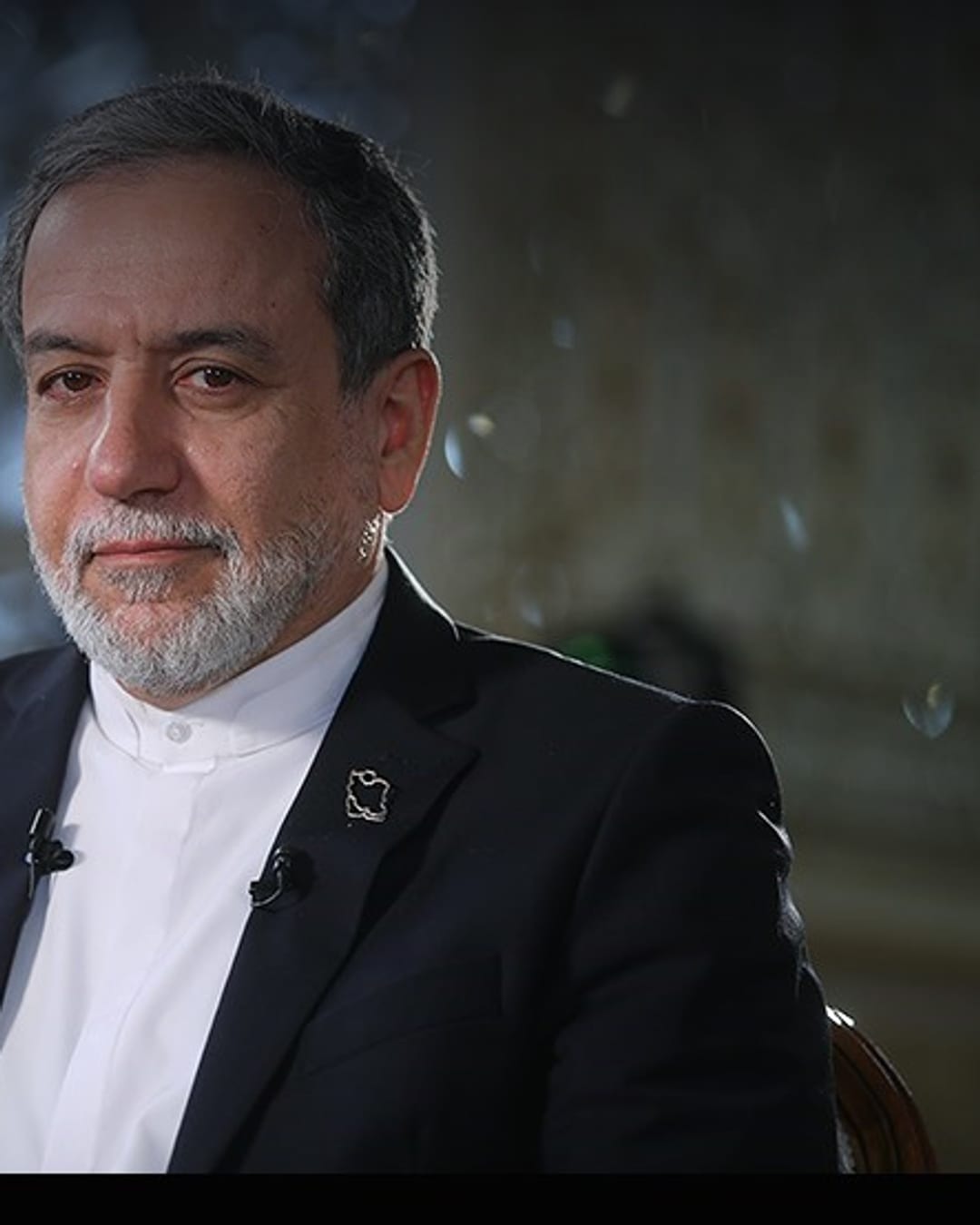
 Image: Abbas Araghchi in 2024 - Tasnim News Agency / Wikimedia Commons, CC BY 4.0.
- Iranian Foreign Minister Abbas Araghchi says the war cannot fully end without Israeli forces leaving territory they occupied in Lebanon.
- AP reports the comments were aired on Iranian state television and made to foreign diplomats in Tehran.
- The caveat: this is Iran's stated condition; the U.S.-Iran text is unpublished, Israel is not a party to it, and Israel has not accepted the withdrawal framing.
Iran is trying to widen the meaning of the U.S.-Iran war settlement to include Lebanon.
Foreign Minister Abbas Araghchi told foreign diplomats in Tehran that ending the war also requires Israel to withdraw from territory it occupied in Lebanon, according to comments aired on Iranian state television and reported by the Associated Press.
What Araghchi said
The key line, as carried by AP-linked reports, is that "the end of the war in Lebanon is an inseparable part of the complete end of the war." Araghchi added that without the withdrawal of Israeli forces from territories occupied during the war, the war has not fully ended.
He also said further Israeli attacks on Lebanon would be treated by Iran as a violation of the memorandum of understanding reached with the United States.
The exact caveat
That does not mean Washington, Israel and Iran have all publicly agreed to a Lebanon-withdrawal clause. The U.S.-Iran memorandum has not been published in full, and Israel is not a signatory to it.
AP framed the Lebanon requirement as an Iranian announcement about what Tehran says the deal requires. That distinction matters. Iran is defining the end state it wants; the public record does not yet show a matching U.S. or Israeli confirmation.
Why Lebanon is in the deal conversation
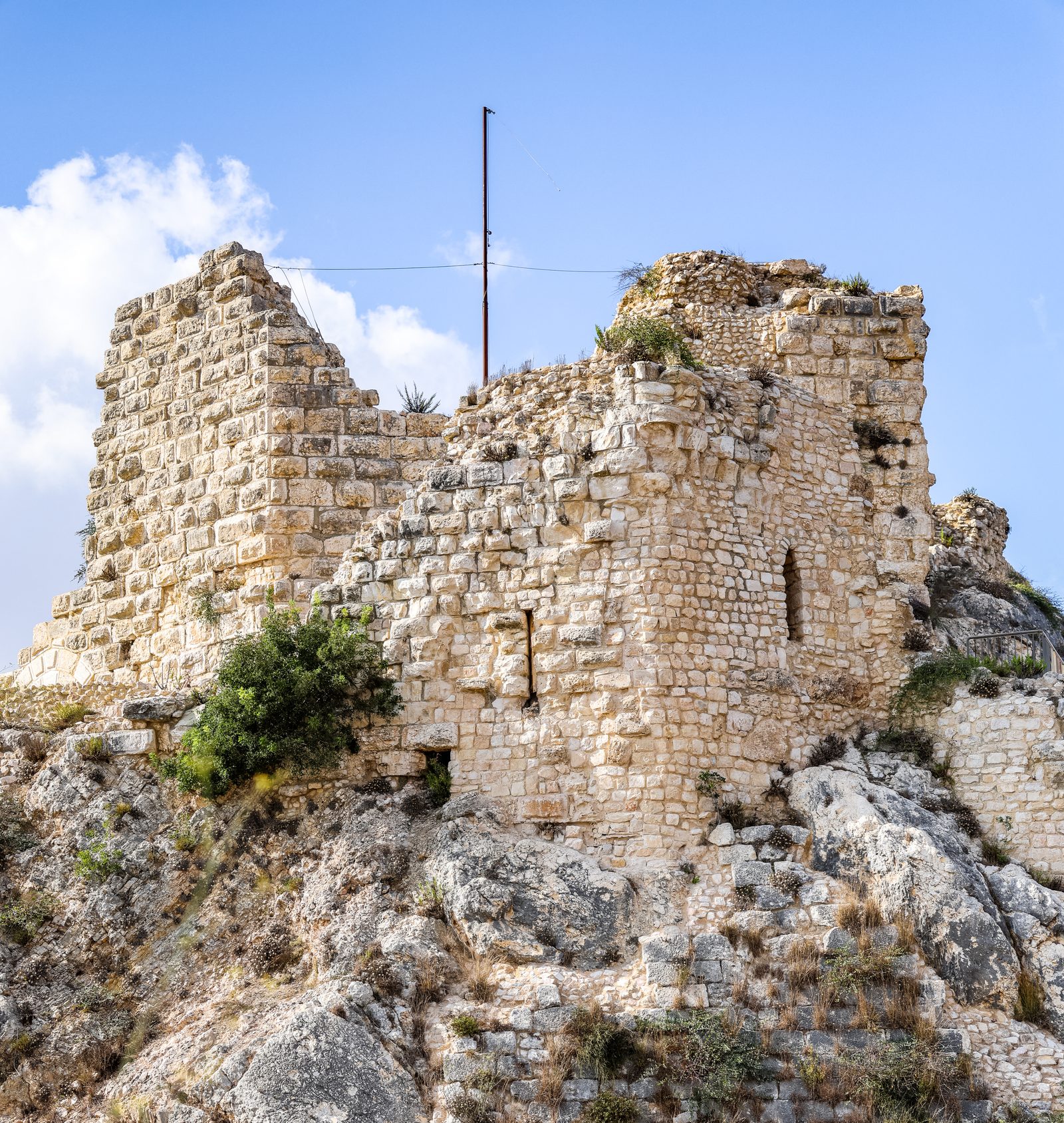
Lebanon became one of the pressure points of the wider regional war after Hezbollah and Israel escalated across the border. Israeli forces later held positions inside southern Lebanon, while Iran and Hezbollah-linked voices framed that presence as an occupation that has to end before the war can be called finished.
Israel has argued that it needs a military buffer and has previously rejected pressure to withdraw from areas it says are necessary for security. That is why Araghchi's statement is not just rhetoric. It is an attempt to make Lebanon a compliance test for the broader U.S.-Iran settlement.
What is confirmed
Confirmed: Araghchi made the withdrawal demand in remarks aired by Iranian state television and reported by AP and other outlets. Confirmed: he connected Lebanon to the U.S.-Iran memorandum of understanding. Confirmed: he said future Israeli attacks in Lebanon would be considered a violation by Iran.
Not confirmed: the final public wording of the U.S.-Iran memorandum, a U.S. guarantee that Israel must withdraw, or an Israeli agreement to leave the contested Lebanese territory.
Why it matters
If Lebanon is treated as part of the deal, the agreement becomes harder to implement. A nuclear, sanctions and maritime settlement between Washington and Tehran is complicated enough. Adding Israeli troop positions in Lebanon brings in a third actor that is not formally bound by the same text.
That creates a practical problem: Tehran could accuse Washington of failing to enforce Israel's behavior, while Washington could argue that Israel's Lebanon posture is outside the direct U.S.-Iran deal. The ambiguity is where future accusations will live.
What to watch next
Watch for the written memorandum, U.S. language on Lebanon, and any Israeli response that either rejects or quietly accommodates withdrawal pressure. Also watch whether Hezbollah activity, Israeli strikes or border incidents are framed by Tehran as deal violations.
NoDechev rating: real statement, contested implication. Araghchi's quote and demand are sourced; the binding status of the Lebanon-withdrawal condition remains unconfirmed until the deal text or U.S.-Israeli responses catch up.
Ready social post
Araghchi's line is real: Iran says the war cannot fully end without Israeli withdrawal from territory occupied in Lebanon. The caveat is the story: that is Iran's condition, not yet a publicly confirmed U.S.-Israeli term.
Read next: Israel refuses withdrawal from occupied Lebanese territory